Tea is a beloved drink for millions around the world. But what happens if you take a break from it? Surprisingly, giving your body a rest from tea — even for a few weeks — can bring noticeable benefits for your gut health. Let’s explore how and why this simple change can leave you feeling lighter, calmer, and maybe even a bit younger.
⸻
Less Caffeine = Calmer Digestion
Tea contains caffeine, which can speed up your digestive process. While that might sound good, it can sometimes make your gut work too quickly, causing bloating or loose stools. Taking a break allows your digestive system to find its natural rhythm.
⸻
Reduced Irritation
Black tea and some strong brews are acidic. Too much acid can irritate your stomach lining, causing discomfort or mild inflammation. Removing that acid source gives your stomach a chance to heal and feel more comfortable.
Better Hydration
Caffeine acts as a mild diuretic, which means you lose water faster. When your body is better hydrated, your digestion works more smoothly — helping you avoid constipation and supporting overall gut comfort.
⸻
Space for Gut-Friendly Drinks
Swapping tea for herbal teas (like chamomile or peppermint), warm water with lemon, or probiotic drinks such as kefir can actively improve your gut flora — the good bacteria that keep your digestive system healthy.
⸻
Probiotics + Prebiotics = A Winning Combo
Think of probiotics as helpful workers in your gut, and prebiotics as their food. When you nourish your gut bacteria with foods like yogurt, sauerkraut, bananas, onions, and oats, you create a balanced environment that supports digestion, immunity, and even mood.
Takeaway
Quitting tea doesn’t mean quitting forever — it’s about giving your gut a rest. Even a short break can help reduce irritation, improve hydration, and give your digestive system a boost. Think of your gut as a small garden: when you give it the right conditions, it will flourish.
⸻
Quick Benefit Table
Benefit Why It Helps Less Caffeine Reduces overstimulation and allows natural digestion Reduced Irritation Removes acid that can inflame the stomach lining Better Hydration Supports smooth bowel movements and comfort Gut-Friendly Drinks Feeds good bacteria and balances gut flora Probiotic + Prebiotic Creates a thriving, healthy gut environment
If you’ve ever tried to lose fat and felt stuck, you’re not alone. One small but powerful idea can make a big difference: insulin. This little hormone decides when your body stores fat and when it burns fat. The good news? A few easy, science-backed habits in the morning can nudge insulin in the right direction—without crazy diets or extreme workouts.
In plain terms, this guide breaks down the why, the what, and the how in simple, actionable language. Plus, you’ll find easy visuals you can imagine or recreate to help you see the ideas clearly.
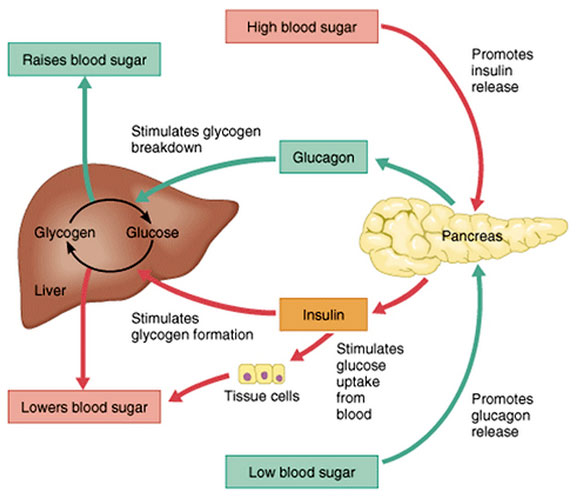
Section 1 : What insulin does in your body (in everyday language) Think of insulin as a door man for your cells. After you eat, especially foods rich in carbohydrates, insulin opens doors so glucose (sugar) can get inside your cells to be used for energy.
In fat tissue, high insulin tells your body to store fat and slows down fat burning. When insulin levels are lower, fat becomes a more willing energy source. Takeaway : If you can keep insulin from spiking too high too often, your body spends more time burning fat and less time storing it.
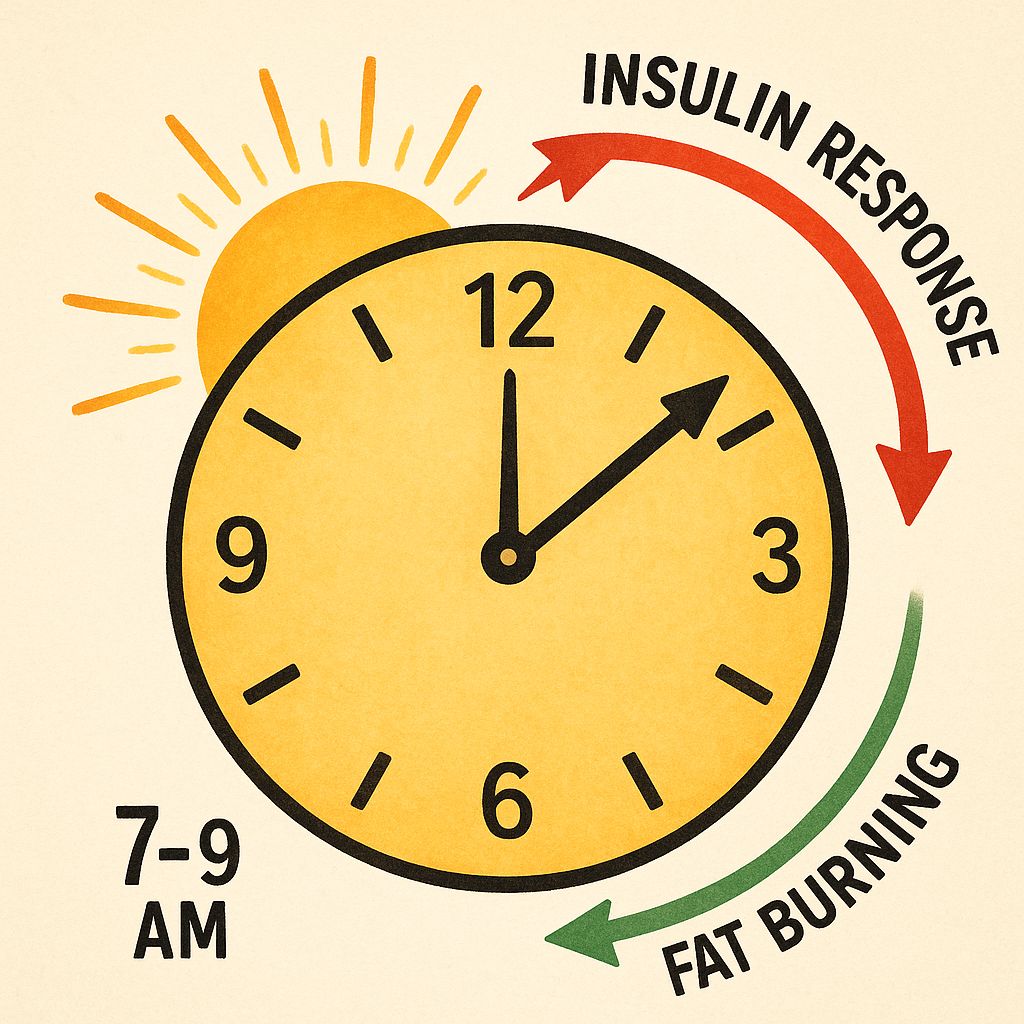
Section 2: The dawn phenomenon and morning insulin resistance (what happens when you wake up) In the morning, your body goes through hormonal changes (like a mini wake-up call from sleep). This can temporarily raise glucose production in the liver and slightly lower insulin sensitivity for some people. The result: your first meals can trigger a bigger insulin response than later in the day, making it a bit easier to store fat if you’re not careful. Practical upshot: the morning window is “ sensitively insulin-fast” for many people. Small changes now can set a calmer metabolic tone for the rest of the day.
Section 3: The insulin trick—practical, step-by-step (simple, everyday actions) Goal: Reduce morning insulin surges and encourage gradual fat burning, without extreme diets.
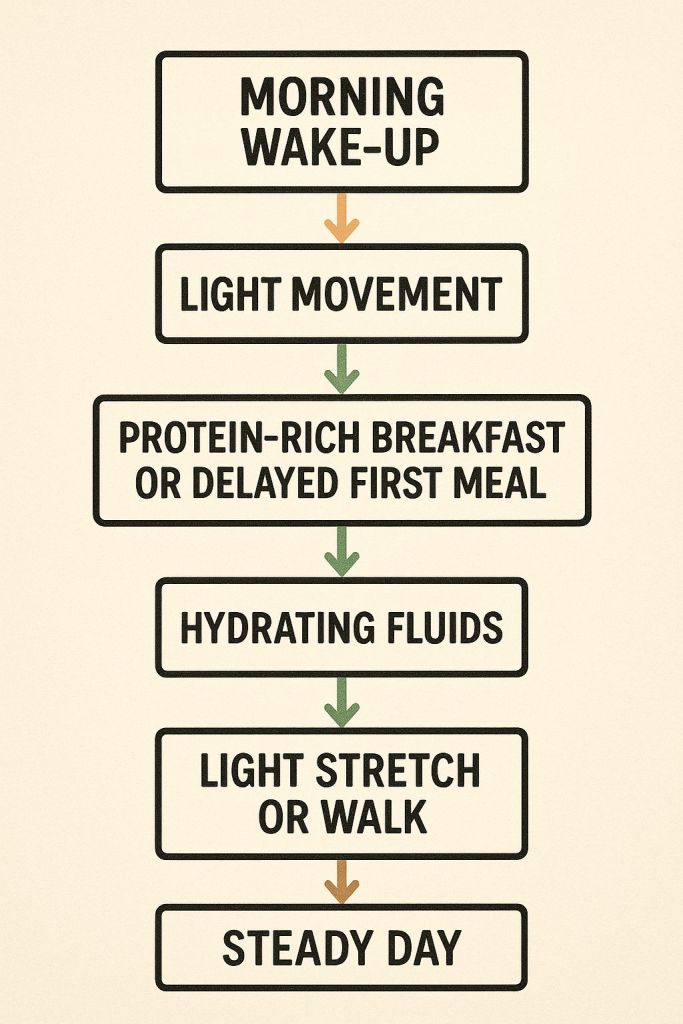
1) Sleep well and stay in rhythm Aim for about 7–9 hours of sleep. Try to wake up and go to bed at roughly the same times every day. Dim lights in the evening and avoid screens that blast you with blue light.
2) Think about when you eat Time-restricted eating (TRE) can help. A common approach is an eating window of 8–10 hours. Example TRE windows: 10:00–18:00 or 12:00–20:00. If you prefer traditional meals, try delaying your first meal in the morning to extend your overnight fast.
3) Breakfast choices (if you eat in the morning) If you break the fast, choose something high in protein and fiber with a little healthy fat. Examples: Eggs with vegetables and avocado. Greek yogurt with berries, chia seeds, and a handful of nuts. Keep it lower in simple sugars and aim for steady, moderate energy.
4) Move a little after waking A short walk, easy bike ride, or a light resistance workout after waking or after your first meal helps improve insulin sensitivity for the day.
5) Carbs and quality matter Don’t fear carbs, but choose high-fiber, unprocessed sources most of the time (vegetables, legumes, whole grains). Try to spread carbohydrates across meals rather than piling them all into one early meal.
6) Hydration and electrolytes Start with water in the morning. If you’re fasting for hours, you can add a pinch of salt or an electrolyte drink to stay balanced.
7) Manage stress and cortisol Stress and poor sleep raise cortisol, which can drive appetite and cravings. Simple stress-busters: 5-minute breathing breaks, a short walk, or a few minutes of stretching.
8) Track, adjust, and personalize Notice how you feel: hunger, energy, sleep, mood. Small tweaks over time beat big, sudden changes. If you have diabetes or a medical condition, check with a healthcare professional before changing medications or routines.
Section 4: The cortisol connection—stress, sleep, and appetite Cortisol rises with stress and pace of life. Too much cortisol can increase appetite and cravings and disrupt sleep. How to keep cortisol in check: Prioritize good sleep every night. Build short, relaxing routines (breathing, short walks, gentle stretching). Create a reasonable evening routine to reduce late-night screen time and heavy meals.
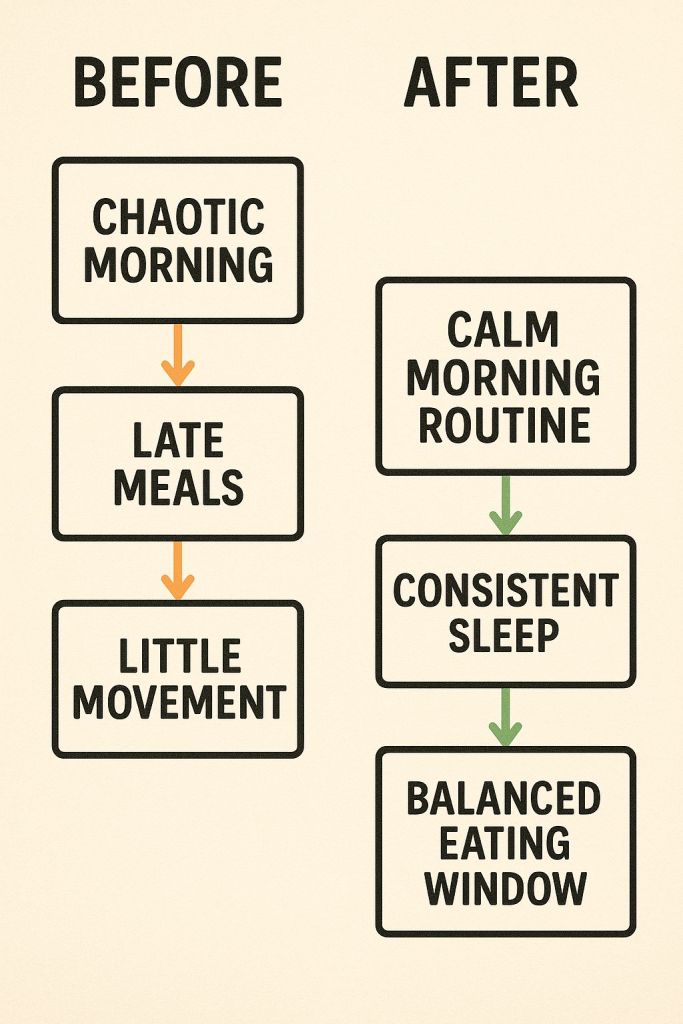
Section 5: Bringing it all together—your simple, friendly plan Core idea: the morning window matters. By aligning sleep, meal timing, and gentle movement, you give your body a steady path toward fat burning. The practical takeaway: Sleep consistently and aim for 7–9 hours. Choose a reasonable eating window or delay your first meal to extend the overnight fast. If you eat in the morning, pick protein-forward meals with fiber and healthy fats. Move daily in light to moderate ways, especially after waking or meals. Prioritize hydration, smart carb choices, and stress management.
Section 6: Want a personalized starter plan? A note: If you’d like, I can tailor a 1–2 week starter plan to your schedule and preferences. Share: Your typical wake time, work schedule, and preferred eating window. Any dietary preferences (vegetarian, dairy-free, etc.) or medical considerations. Your current activity level and sleep habits.
I’ll craft: A simple daily timetable with meal ideas and suggested portions. A light workout plan you can do at home or near work. A quick weekly check-in to track progress and tweak as needed.
Closing thoughts The power of this approach isn’t in drastic changes but in small, sustainable shifts that fit into real life. By understanding insulin’s role and the morning insulin sensitivity window, you can make choices that support fat loss and energy without feeling deprived. Remember: everyone’s body is different. If you have a medical condition like diabetes or are on medications that affect insulin or cortisol, talk with a healthcare professional before making big changes.
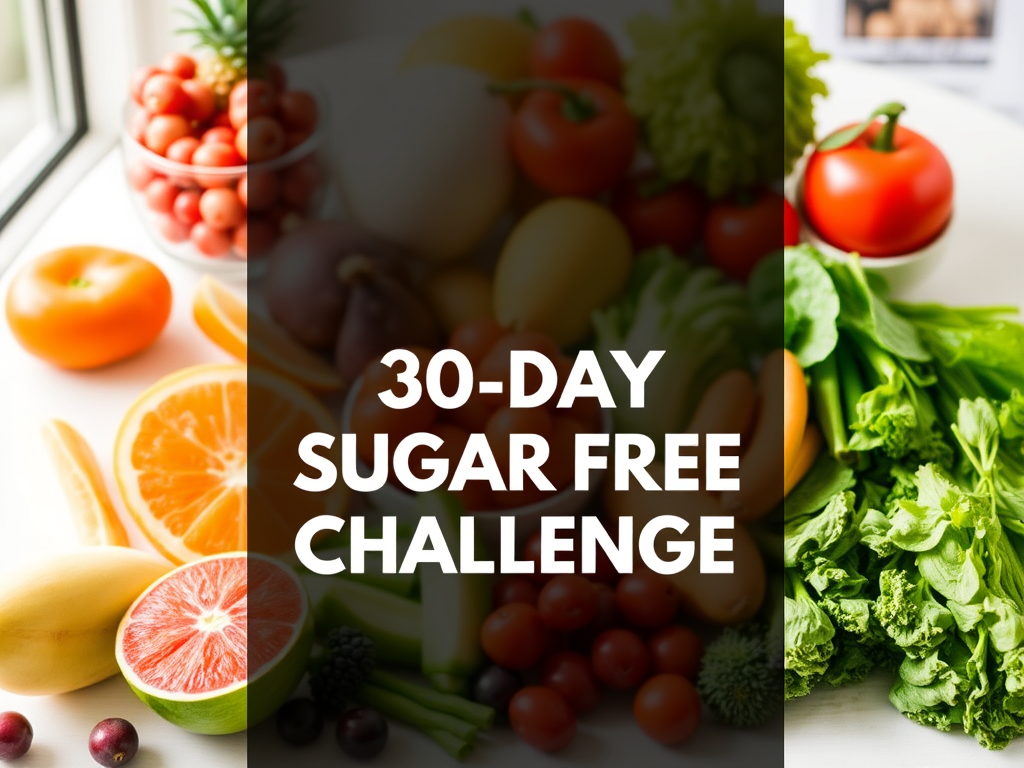
Imagine feeling more energized, sleeping better, and having clearer skin—all within just a month. Sounds amazing, right? The secret to this transformation might be simpler than you think: cutting out sugar from your diet for 30 days. Let’s explore how removing sugar can dramatically boost your health and well-being.
Why Is Sugar Harmful?
Sugar is everywhere—sweet snacks, sugary drinks, processed foods—and while it might taste good initially, its long-term effects on our bodies can be serious. Consuming too much sugar can lead to insulin resistance, which means your body struggles to use insulin effectively. This can cause cravings, weight gain, and even contribute to chronic illnesses like type 2 diabetes, heart disease, and more.
The Benefits of Going Sugar-Free
Better Blood Sugar and Reduced Cravings When you cut out sugar, your body becomes more efficient at burning fat instead of storing it. This helps stabilize your blood sugar levels, reducing those pesky cravings for sweets and carbs. Over time, this can make managing your weight and health much easier.
Healthier Teeth and Gums Sugar feeds harmful bacteria in your mouth, which can lead to cavities and gum disease. Removing sugar means fewer of these bacteria thrive, giving you a brighter, healthier smile and reducing dental problems.
Balanced Hormones and Better Sleep High sugar intake can throw your hormones out of balance, especially insulin and cortisol, which impact stress levels and sleep quality. Eliminating sugar helps keep these hormones in check, leading to more restful nights and a calmer, more balanced mood.
Sharper Brain and Improved Mood A diet without added sugar can boost brain function, helping you think more clearly and focus better. It also stabilizes blood sugar swings that can cause mood dips, anxiety, or depression. Many who try this notice feeling more emotionally steady and energized.
Protecting Your Eyes and Kidneys Long-term high sugar consumption increases the risk of eye damage (retinopathy), kidney failure, and nerve damage—serious complications often linked with diabetes. Cutting sugar reduces these risks and promotes overall organ health.
Stronger Immune System Sugar hampers white blood cells, which are essential for fighting off infections. When you eliminate sugar, your immune defenses get stronger, helping you stay healthier and recover faster from illnesses.
Clearer, Acne-Free Skin Inflammation caused by sugar can lead to skin problems like acne and dullness. Reducing sugar helps decrease inflammation, leading to clearer, more radiant skin.
Lowered Inflammation and Reduced Disease Risk Chronic inflammation is at the root of many diseases, including heart disease. Cutting out sugar helps reduce inflammation levels, improving your overall health and cholesterol profiles.
Lasting Weight Loss Instead of quick fixes or yo-yo dieting, eliminating sugar addresses the root causes of weight gain. Many find that they naturally lose weight and keep it off when they focus on metabolic health.
Rediscovering Flavors After a month without sugar, your taste buds become more sensitive. Fruits, vegetables, and other healthy foods start tasting more vibrant and satisfying, making healthy eating more enjoyable.
Your 30-Day Challenge
The idea is simple: commit to avoiding added sugar and white flour for 30 days. Notice how your body responds—your energy levels, mood, sleep, skin, and overall health. Remember, everyone’s body reacts differently, so listen to yours and find the balance that works best for you. Moderation is key, especially with foods like bread and rice.
The Power of Change
Taking this challenge can be life-changing. Many people report feeling more vibrant, less dependent on sweets, and more connected to what their bodies truly need. A sugar-free month isn’t about deprivation; it’s about giving your body the nourishment and respect it deserves.
Are you ready to see how good you can feel? Start your 30-day sugar detox today and embrace a healthier, happier you!
Beetroot, known as “chukandar” in Urdu, is a vibrant, nutrient-rich vegetable that has been cherished for centuries for its remarkable health benefits. Often celebrated as a natural energy drink, beetroot is not only delicious but also a powerhouse of nutrients that can positively impact various aspects of your health. Let’s explore why incorporating beetroot into your diet can be a game-changer for your well-being.
A Rich Historical Legacy
Historically, beetroot has been used for thousands of years across different civilizations. Roman soldiers, for instance, consumed beetroot to boost their stamina and endurance during battles and long marches. Its reputation as an energizing food has persisted through the ages, and modern science continues to validate its many health benefits.
Why Should You Include Beetroot in Your Diet?
1. Enhances Physical Stamina and Athletic PerformanceBeetroot is rich in nitrates, which the body converts into nitric oxide. This compound helps relax and dilate blood vessels, improving blood flow and oxygen delivery to muscles. As a result, beetroot can significantly boost stamina, making it a favorite among athletes and fitness enthusiasts aiming for improved endurance and reduced fatigue.
2. Supports Brain Health and Cognitive FunctionBetter blood circulation facilitated by nitric oxide also benefits brain health. Enhanced blood supply to the brain can improve cognitive abilities, concentration, and mental clarity, potentially helping in the prevention of age-related cognitive decline.
3. Promotes Sexual Health
Improved blood flow is crucial for sexual health in both men and women. Regular consumption of beetroot can support healthy libido and sexual function by ensuring optimal blood circulation.
4. Heart and Cardiovascular BenefitsBeetroot has been shown to help reduce high blood pressure, a major risk factor for heart disease. Its ability to relax blood vessels and improve blood flow contributes to overall cardiovascular health, potentially lowering the risk of heart attacks and strokes.
5. Liver Detoxification and Fat ReductionThe antioxidants and phytonutrients in beetroot support liver health by aiding detoxification processes. It also helps reduce fat accumulation in the liver, promoting better metabolic health.
6. Anti-Inflammatory PropertiesChronic inflammation underlies many health conditions, including arthritis and diabetes. Beetroot contains compounds that may help reduce inflammation, alleviating symptoms and supporting overall health.
7. Digestive Health and Fiber ContentRich in dietary fiber, beetroot promotes healthy digestion, prevents constipation, and supports a balanced gut microbiome.
8. Skin Health and ImmunityHigh in vitamin C, beetroot contributes to a glowing complexion, clearer skin, and a strengthened immune system. Its antioxidants combat free radicals, slowing down skin aging and damage.
9. Combating AnemiaBeetroot is a good source of iron, which is essential for producing healthy red blood cells. Regular consumption can help boost iron levels and combat anemia, especially in deficiency cases.How to Incorporate Beetroot Into Your Diet
For maximum health benefits, drinking beetroot juice is highly recommended. You can enhance its flavor and nutritional profile by mixing it with:
Ginger**: Adds warmth and anti-inflammatory properties.
Carrots**: Increase sweetness and vitamin content.
Oranges**: Provide a tangy flavor and boost vitamin C intake.
Alternatively, beetroot can be eaten raw in salads, cooked as a vegetable, or blended into smoothies. Its versatility makes it easy to include in various meals.
Important Precautions
While beetroot is generally safe for most people, those prone to kidney stones should consume it cautiously due to its oxalate content, which can contribute to stone formation. It’s also advisable to drink plenty of water when consuming beetroot to facilitate detoxification. To keep it healthy, avoid adding sugar to beetroot juice, as natural benefits are best preserved without excess sweetness.
Normal Reactions and Myths
Some people notice that their urine or stool may turn pink or dark after consuming beetroot. This harmless pigment change is normal and temporary. It’s a sign that your body is processing the beetroot’s natural pigments, not a cause for concern.
Final Thoughts
Beetroot is truly a gift from nature — a natural, affordable, and versatile superfood that can support your overall health and vitality. Whether you want to boost your stamina, improve heart health, enhance skin, or simply enjoy a delicious vegetable, beetroot offers a myriad of benefits that make it worth including in your daily diet.
So, why not start today? Incorporate beetroot into your meals and drinks, and enjoy the natural energy and health benefits it provides. Your body will thank you!
Remember: For optimal results, combine a balanced diet with regular physical activity, and consult with a healthcare professional if you have specific health conditions or concerns.
Welcome to ShineDeep! Today, we’re diving into one of nature’s most powerful and versatile gifts — garlic. This humble bulb has been used for thousands of years not just as a flavorful ingredient but as a natural healer with incredible health benefits. Let’s explore why garlic deserves a special place in your diet!
Why Garlic Is a True Superfood
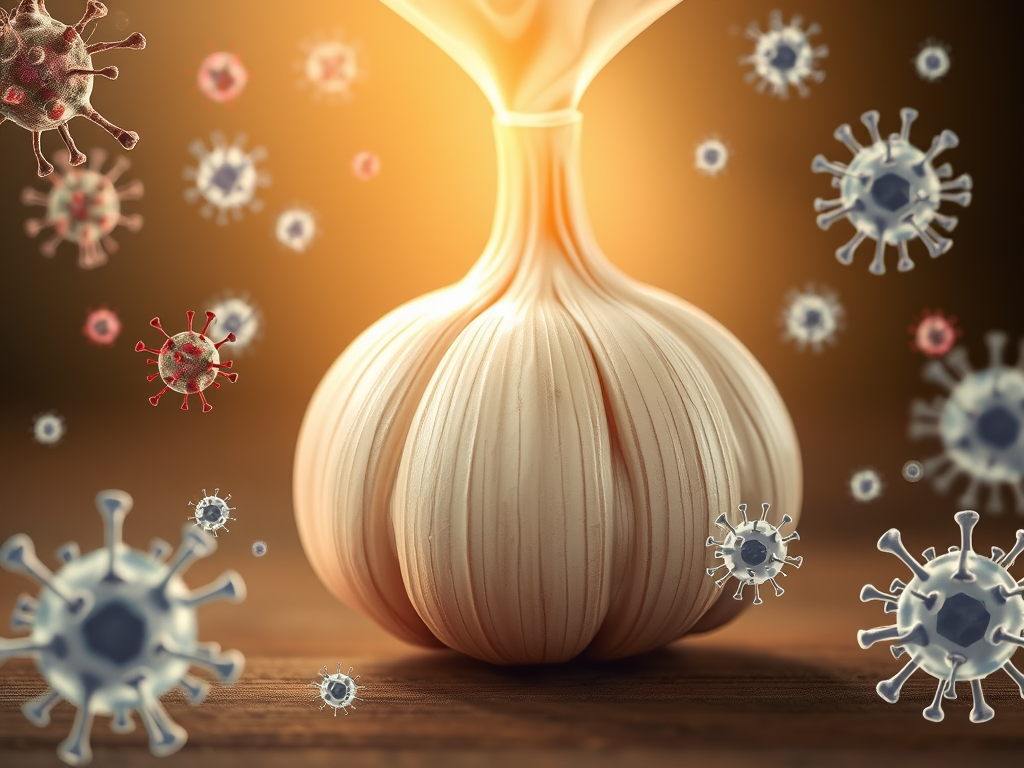
Did you know? For over 4,000 years, people have turned to garlic to fight diseases like arthritis, diabetes, malaria, and tuberculosis. During times when antibiotics were not available — especially during the World Wars — garlic earned the nickname “Russian penicillin” because of its remarkable ability to fight infections!
The Magic Inside: Allicin — Nature’s Antibiotic
The secret behind garlic’s health powers is a compound called allicin. When you crush or chop garlic, allicin is released, giving garlic its distinctive smell and potent medicinal properties.
Benefits of Garlic & Allicin: Fights bacteria and viruses** — even those resistant to antibiotics! Supports heart health** — helps keep your blood flowing smoothly. Balances blood sugar** — great for managing diabetes. Thins the blood** — reducing the risk of clots and strokes. Boosts your immune system** — helping your body fight off infections.
Garlic’s Smell & Defense Powers
That strong smell? It’s not just pungent — it’s also a natural shield! The scent of garlic helps repel bacteria and viruses, giving your body an extra layer of protection.
Be Smart About Your Garlic — Quality Matters!
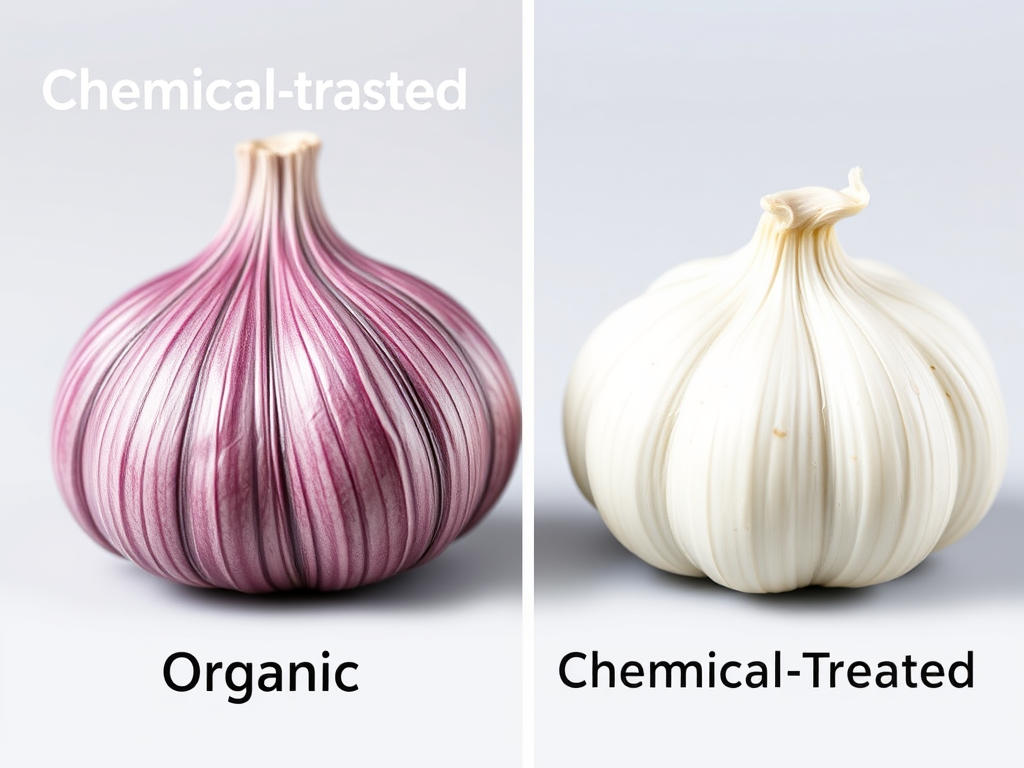
Not all garlic is created equal. Be cautious of imported garlic, which is often treated with chemicals to make it look whiter. The best choice? Locally grown, organic garlic — pure, natural, and full of benefits.
How to Get the Most Out of Garlic
Raw or cooked? The debate continues, but here’s the scoop: Fresh, raw garlic** retains the most beneficial compounds. Cooking garlic at low temperatures** can preserve some nutrients while making it easier to digest.
Pro tip: Try pickling or fermenting garlic with honey. This not only enhances its flavor but also boosts its health benefits!
Final Thoughts: Make Garlic a Daily Habit!
Adding garlic to your meals can be simple and delicious. Whether chopped raw in salads or gently cooked in dishes, garlic is a natural way to boost your immunity, support your heart, and keep infections at bay.
Remember: Fresh, organic garlic is your best bet! Incorporate it into your diet regularly and enjoy the many health benefits it offers.
Stay Healthy, Shine Bright! ✨
Share your favorite garlic recipes or tips in the comments below!
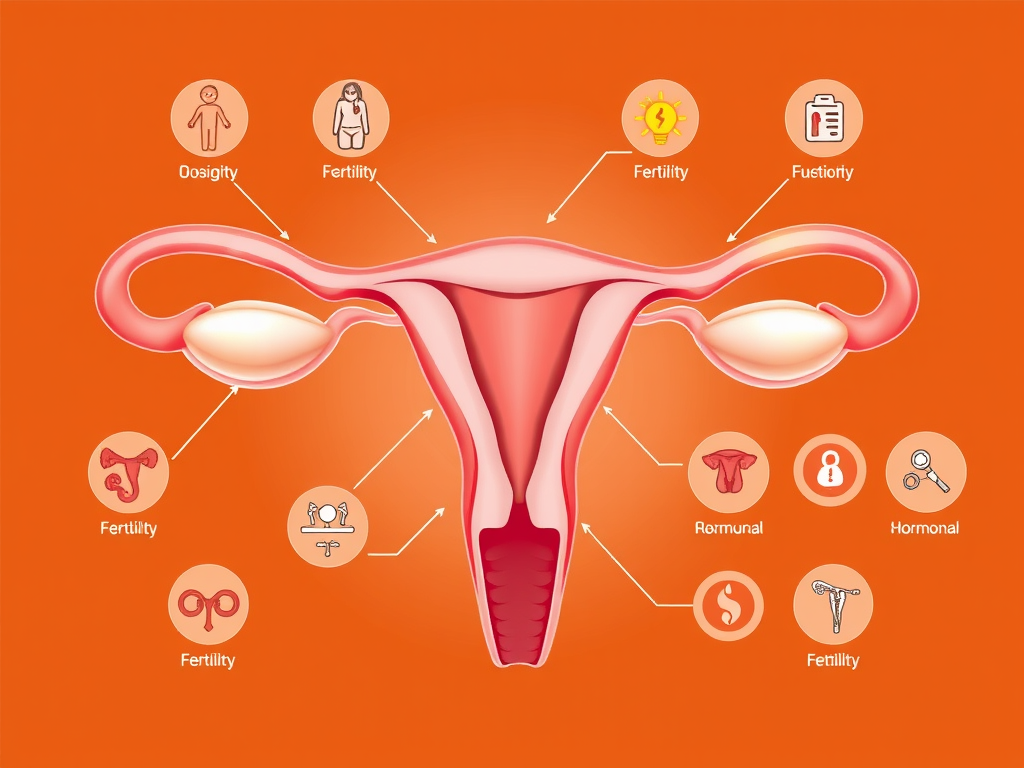
What is Shatavari? Shatavari, whose name means “one with a hundred roots,” is a powerful Ayurvedic herb celebrated for supporting women’s health at every stage of life. Think of it as a natural powerhouse packed with nutrients that nurture your body and mind!
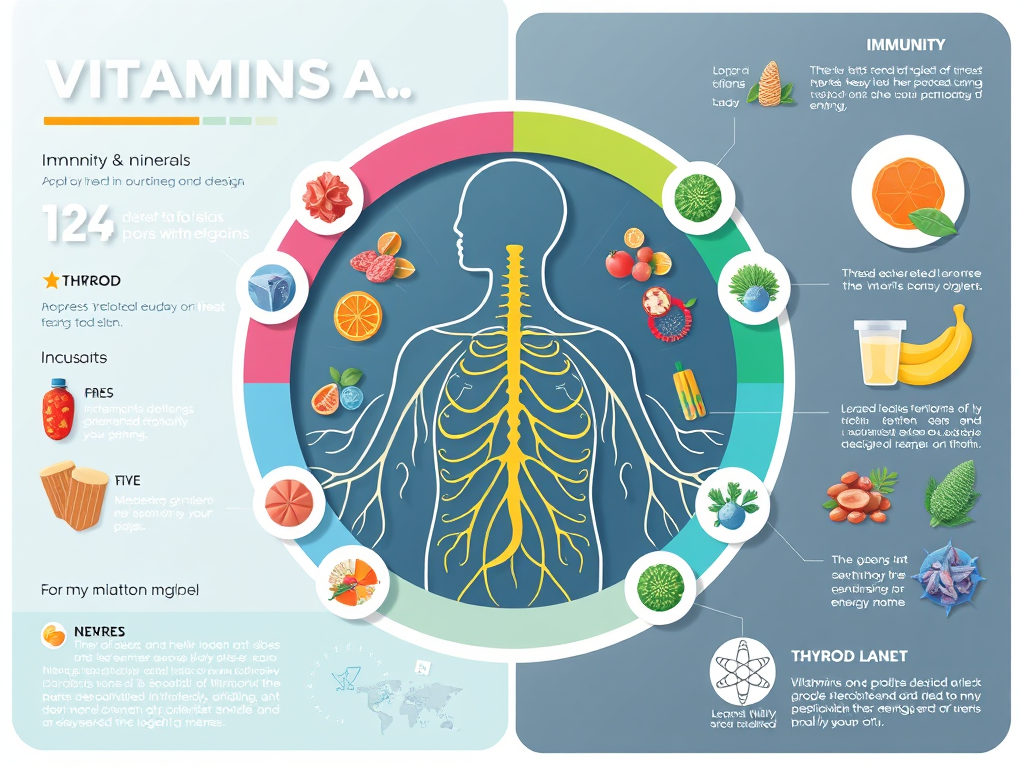
Why is Shatavari So Special? This incredible herb is rich in vitamins like A and C, as well as minerals such as copper, zinc, magnesium, and iron. These nutrients help boost your immune system, support healthy thyroid function, keep your nerves happy, and promote overall energy and metabolism.
A Natural Ally for Women’s Health Shatavari acts like a natural hormone booster, especially important during menopause when estrogen levels drop. It’s a gentle, plant-based alternative to hormone therapy, reducing risks and side effects.
Benefits include: Supporting fertility and menstrual health Regulating your cycle smoothly Improving egg quality for better chances of conception Easing menopausal symptoms
Stress Relief & Brain Boosting Feeling stressed or foggy? Shatavari can help reduce stress hormones and improve your brain function, helping you stay calm and focused. Plus, nursing moms can benefit from increased breast milk production.
How to Use Shatavari? It’s easy to incorporate into your daily routine! You can add Shatavari powder to smoothies, warm milk, or herbal teas. A typical dose is a teaspoon daily, but it’s best to consult a healthcare provider for personalized advice.
Why Choose Shatavari Over Hormone Therapy? While hormone replacement therapy has its place, it also comes with potential risks. Shatavari offers a natural, safe alternative that supports your body without harsh chemicals.
Takeaway: Embrace the power of nature with Shatavari and nurture your health from within!
Final Thoughts: Whether you’re seeking hormonal balance, boosting your immune system, or simply want to feel more energized, Shatavari is a wonderful herbal choice. Always remember to consult with a healthcare professional before starting any new supplement.
Stay radiant, stay healthy—naturally!
Have you tried Shatavari? Share your experience in the comments below!
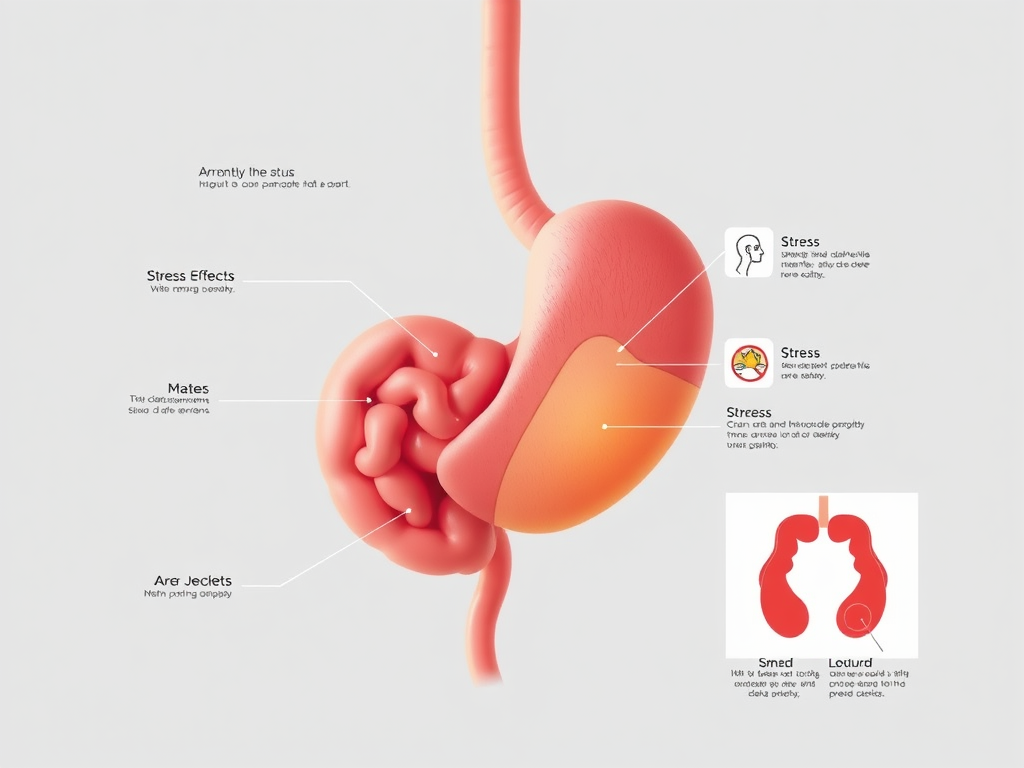
Did you know? Even if you eat healthy, exercise, and take supplements, you might still feel stressed all the time. That’s because your body is dealing with something called cortisol, the stress hormone, which can cause many health problems if it stays high.
What Does Stress Do to Your Body?
When you’re stressed, your body reacts as if you’re in danger — this is called the fight-or-flight response. It’s useful in emergencies, but if you stay in this state all the time, it can hurt your health.
How Stress Affects You:
Hormones like cortisol and adrenaline stay high:** This makes your body stay alert, but too much can cause health issues. Weakens your immune system:** Making it easier to get sick. Muscle loss & low testosterone:** Losing muscle and feeling less energetic or less masculine. Blood sugar rises:** Even if you don’t eat sugar, stress can increase your blood sugar levels.
Stress and Digestion Problems
Stress can also mess up your stomach and digestion:
Less stomach acid and enzymes mean trouble digesting food. You might get acid reflux, stomach ulcers, or gastritis. Your body struggles to digest fats, causing bloating. It can also lead to constipation because your gut slows down.
Why Do We Find It Hard to Handle Stress?
Our modern lives change quickly, but our bodies haven’t adapted fast enough. We tend to focus on negative things and forget the good stuff, which makes us more anxious.
Important: Worrying about problems is different from solving them. Excess worry only makes anxiety worse and stops us from thinking clearly.
The Dangers of Ongoing Stress
If stress goes on for too long, it can cause:
Lots of health problems, including heart disease and diabetes Reactivation of old viruses like cold sores or shingles Feeling tired, anxious, and unhealthy overall
How Can We Feel Better?
Research shows that doing something creative or fun can help lower stress hormones.
Hobbies to the Rescue
One interesting study found that just 45 minutes of doing something artistic — like drawing, painting, or crafting — can significantly reduce cortisol levels.
Tip: Find activities you love. Whether it’s gardening, dancing, cooking, or drawing — hobbies can help you relax and feel better.
Take Care of Yourself
Remember, taking care of yourself isn’t a luxury — it’s a must. Make time for hobbies, do things you enjoy, and focus on feeling good.
Final Message
Stress is part of life, but it doesn’t have to control you. By understanding what it does and adding fun, relaxing activities into your day, you can improve your health and happiness.
Start today — do something that makes you smile!
Remember: You deserve to feel good — inside and out.
Hi everyone! At Shinedeeps, we believe that small habits can make a big difference. Today, I want to share a simple morning routine you can do on an empty stomach to feel healthier, more energetic, and happier every day.
Drink Water First Thing 🙂💧
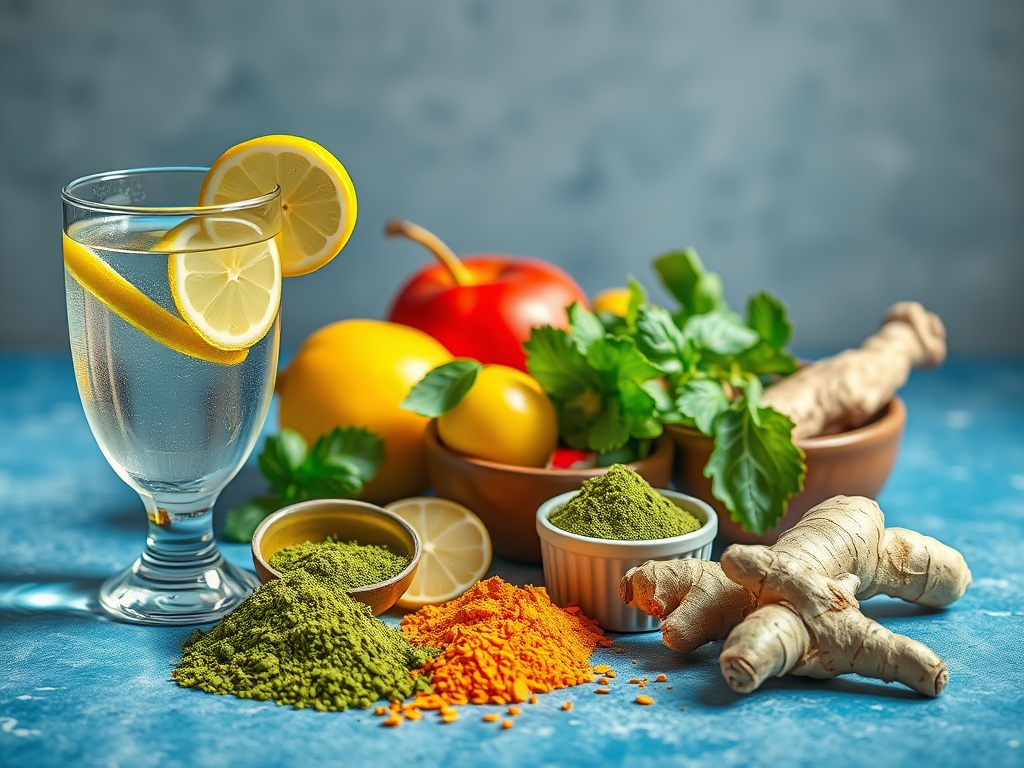
A glass of water with lemon slices 🍋💧😊
Start your day with a glass of water! Drinking water right after waking up helps your digestion, speeds up your metabolism, and keeps your thyroid healthy. If you like, drink cold water — it can give your body a little boost!
Take a Spoon of Olive Oil 😊🥄
Olive oil in a small bowl
Eat two big spoonfuls of good, cold-pressed olive oil each morning. It helps control blood sugar, keeps your heart healthy, and even makes your brain sharper. You can add it to your breakfast or drink it straight — whatever works best for you!
🌿 Add Green Powders to Your Drink
Green superfood powder
Mix in organic green powders like moringa or amla (Indian gooseberry). These powders are full of vitamins and antioxidants that help boost your immunity and give you energy. Just add a scoop to water or your favorite smoothie.
🌱 Eat Fiber-Rich Foods
Fruits and vegetables
Fiber is important for your gut! It helps keep your digestion regular, cleans out your intestines, and feeds good bacteria in your stomach. Include fruits, vegetables, or fiber supplements in your morning routine if needed.
🌶 Use Anti-Inflammatory Herbs
Ginger and turmeric
Add herbs like ginger and turmeric to your morning. These natural ingredients help reduce swelling, support your joints, and strengthen your immune system. You can add them to tea or your breakfast!
✨ Final Tips
Stay Connected!
I hope you try out this easy routine! Keep following Shinedeeps for more simple health tips and natural ways to feel your best.
Remember: Small changes each day add up! Start slow, stay consistent, and enjoy feeling great.
Share your morning routine with us or tag us on social media — we love hearing from you!
How to Eat Right in the Morning for Better Health 😊🥑🍳🥤
At ShineDeeps, we believe that what you eat and when you eat can make a big difference in your health. Here’s some simple advice on breakfast, fasting, and healthy drinks to help you feel your best.
When to Eat After Waking Up
If you get up early (around 4-6 AM): It’s best to wait at least four hours before eating. This gives your body time to wake up naturally and helps your digestion work better.
If your sleep schedule is all over the place: Just listen to your body and eat when you feel ready. 😊 The main idea is to eat in a way that matches your natural sleep and wake times. 💤
Why Fasting is Good For You 😊 Fasting can offer a variety of health benefits, including improved metabolism, enhanced mental clarity, and support for weight loss goals. 🥗 It encourages the body to heal and detoxify, leading to a greater sense of well-being. 🌟 Engaging in intermittent fasting can also promote longevity and help reduce the risk of chronic diseases. 🌿
Fasting means not eating for a while. It isn’t just skipping meals — it’s giving your body a break. Benefits include: Less inflammation in your brain Better thinking and focus Helping your body repair itself
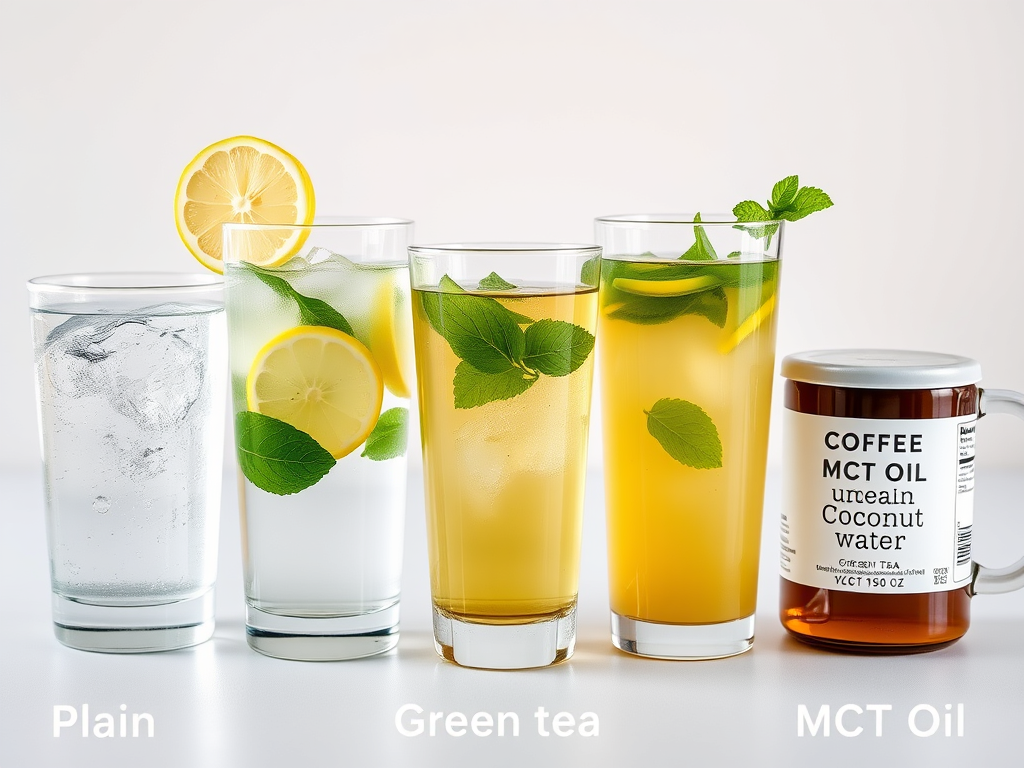
Drinks You Can Have While Fasting
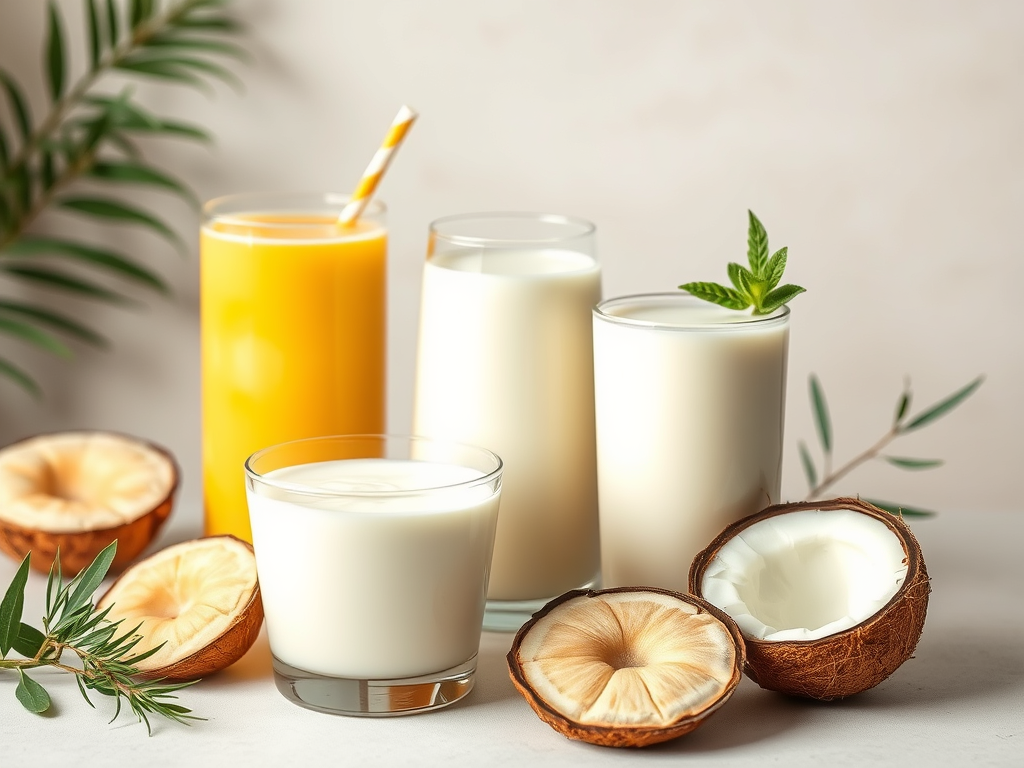
You don’t need to drink only water! These drinks won’t break your fast: Water (plain or with lemon) Coconut water (no sugar added) Green tea Apple cider vinegar (diluted in water) Coffee with a little MCT or coconut oil
How to Break Your Fast Properly
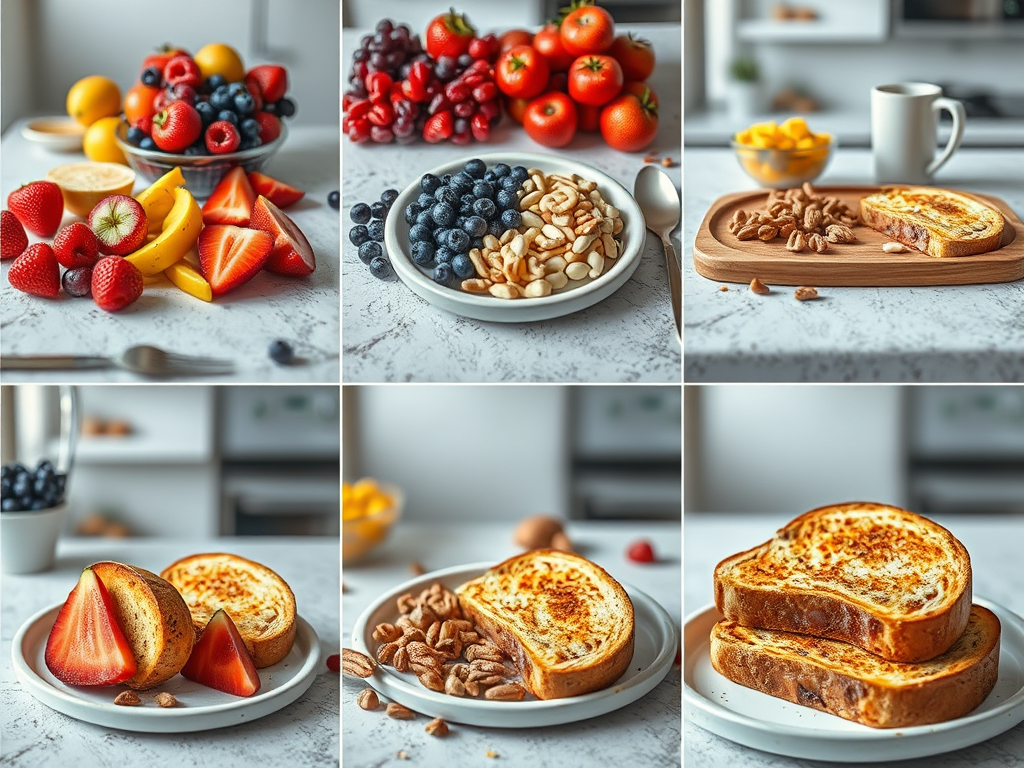
When you’re ready to eat, start slow. Good first foods: Dates or honey Fresh fruit
Then, add some healthy fats like: Nuts Whole-grain toast
This helps keep your blood sugar steady and stops you from feeling too hungry or tired afterward.
Boost Your Gut & Immunity
Yogurt and fermented drinks are great for your digestion and immune system. Making buttermilk from yogurt is especially good. If you don’t like dairy, try coconut milk or plant-based yogurts.
Key Takeaways
Try to eat when it fits your natural sleep schedule. Fasting can help your brain and body stay healthy. Drink healthy, calorie-free drinks during fasting. Break your fast gently with light foods and healthy fats. Take care of your gut with probiotics and plant-based options.
Final Thought
Eating mindfully and choosing the right times and foods can help you stay healthy and energized. At ShineDeeps, we encourage you to listen to your body and make smart choices every day.
Hi everyone! At Shinedeeps, we believe that small habits can make a big difference. Today, I want to share a simple morning routine you can do on an empty stomach to feel healthier, more energetic, and happier every day.
Drink Water First Thing 🙂💧
A glass of water with lemon slices 🍋💧😊
Start your day with a glass of water! Drinking water right after waking up helps your digestion, speeds up your metabolism, and keeps your thyroid healthy. If you like, drink cold water — it can give your body a little boost!
Take a Spoon of Olive Oil 😊🥄
Olive oil in a small bowl
Eat two big spoonfuls of good, cold-pressed olive oil each morning. It helps control blood sugar, keeps your heart healthy, and even makes your brain sharper. You can add it to your breakfast or drink it straight — whatever works best for you!
🌿 Add Green Powders to Your Drink
Green superfood powder
Mix in organic green powders like moringa or amla (Indian gooseberry). These powders are full of vitamins and antioxidants that help boost your immunity and give you energy. Just add a scoop to water or your favorite smoothie.
🌱 Eat Fiber-Rich Foods
Fruits and vegetables
Fiber is important for your gut! It helps keep your digestion regular, cleans out your intestines, and feeds good bacteria in your stomach. Include fruits, vegetables, or fiber supplements in your morning routine if needed.
🌶 Use Anti-Inflammatory Herbs
Ginger and turmeric
Add herbs like ginger and turmeric to your morning. These natural ingredients help reduce swelling, support your joints, and strengthen your immune system. You can add them to tea or your breakfast!
✨ Final Tips
Stay Connected!
I hope you try out this easy routine! Keep following Shinedeeps for more simple health tips and natural ways to feel your best.
Remember: Small changes each day add up! Start slow, stay consistent, and enjoy feeling great.
Share your morning routine with us or tag us on social media — we love hearing from you!













 shinedeeps.com