🌱 The Truth About Herbalife Shakes & Supplements — And My Own Experience

Over the past few years, Herbalife has become a household name in the wellness industry. You’ve probably seen friends, family members, or influencers talking about their miracle shakes, fat-burning supplements, or health-boosting powders.

The marketing is impressive — promises of weight loss, better digestion, and boundless energy — all wrapped in shiny containers with fresh, healthy imagery. But behind the branding, there’s an important question to ask: Do these products really work the way they claim?

1️⃣ The Claims vs. The Science

What’s promised:
Herbalife shakes are often marketed as meal replacements that can help with weight loss while providing all the nutrients your body needs. Supplements claim to improve metabolism, support gut health, and even boost immunity.

The science reality:
• Meal replacements can help with calorie control, but they’re not magic. Any calorie deficit — whether from shakes or smaller food portions — can lead to weight loss.
• The shakes do contain vitamins and protein, but many of these nutrients can be found in whole foods (which also provide fiber, antioxidants, and other plant compounds you miss in processed powders).
• Some supplements use ingredients backed by limited studies, but the overall effect is often small compared to lifestyle changes like balanced eating, sleep, and regular movement.

2️⃣ My Story: Why I’m Still Cautious Today

Years ago, I personally joined the Herbalife trend. For about a year or two, I took the shakes regularly. At the time, I was perfectly healthy — no digestion problems, no gut issues.

But during that period, I began experiencing severe constipation. Over time, it became chronic. Even after I stopped Herbalife completely, the problem didn’t go away.

Fast forward more than 17 years later… I’m still dealing with the effects:
• Ongoing constipation
• Pain after bowel movements
• Occasional blood in stool

It’s been life-changing in the worst way. People often tell me, “You should sue them” — but after so many years, without medical records from that time, it’s nearly impossible. And that’s part of the issue with supplement harm — the effects can appear gradually and leave you with long-term problems that are hard to prove later.

3️⃣ The Marketing Strategy

One big reason Herbalife is everywhere is their network marketing model. Instead of being sold in stores, the products are sold by independent distributors who earn a commission.
This can create extra pressure to promote the products, sometimes leading to overstated health claims.

4️⃣ Potential Downsides

While many people drink Herbalife shakes without issues, here are some concerns:
• Highly processed: These shakes often contain artificial sweeteners, flavorings, and additives to improve taste and shelf life.
• Low fiber: For some, the lack of natural fiber may trigger digestive problems like constipation.
• Price vs. value: A tub of shake mix can be much more expensive than simply buying fresh, whole ingredients.
• Over-reliance: Relying on shakes instead of real food can mean missing out on diverse plant nutrients and the satisfaction of eating.

⸝

⚖ Legal Reality Check: Why Suing Years Later is Hard

Many people wonder if they can take legal action years after they believe a product harmed them. Unfortunately, statutes of limitation — legal time limits — often make this impossible. In most countries:
• You must file a claim within a set number of years after the harm is discovered (often 2–6 years).
• Without medical records or proof from the time of injury, it’s extremely difficult to win a case.
• The company can argue that the condition was caused by other factors over the years.

Possible steps you can still take:
• File a consumer safety complaint in your country, so regulators have a record.
• Share your story publicly to warn others.
• Join consumer advocacy groups — sometimes, if a large group comes forward, a collective case can reopen.

Note: This is not legal advice, just general information.

5️⃣ What You Can Do Instead

If your goal is weight loss, improved energy, or better nutrition, you don’t have to depend on pricey supplements. Instead:
• Build balanced meals with protein (eggs, beans, chicken, tofu), healthy carbs (whole grains, fruits), and healthy fats (nuts, olive oil).
• Snack smart with nuts, yogurt, or fruit instead of sugary drinks or bars.
• Move daily — even walking 20 minutes a day helps.
• Stay hydrated — water is the cheapest, healthiest drink you can have.

⸝

6️⃣ The Bottom Line

Herbalife products aren’t “poison,” but they’re also not the magic solution the ads might make you believe.
They can fit into a balanced diet if used occasionally — but relying on them as your main source of nutrition may not give your body everything it needs.

From my own experience, I’ve learned the hard way that what’s “healthy” for some can be harmful for others. That’s why I now choose whole foods, watch ingredient labels closely, and listen to my body before following health trends.

Myth Reality
“This shake will melt fat!” Weight loss comes from calorie control and balanced nutrition.
“Supplements will supercharge your health” Small benefits, but lifestyle is the main driver.
“It’s the easiest way to be healthy” Convenience is good, but whole foods offer more.

Wake Up Lean: A Simple, Friendly Guide to Mastering Morning Insulin for Fat Loss

If you’ve ever tried to lose fat and felt stuck, you’re not alone. One small but powerful idea can make a big difference: insulin. This little hormone decides when your body stores fat and when it burns fat. The good news? A few easy, science-backed habits in the morning can nudge insulin in the right direction—without crazy diets or extreme workouts.

In plain terms, this guide breaks down the why, the what, and the how in simple, actionable language. Plus, you’ll find easy visuals you can imagine or recreate to help you see the ideas clearly.

Section 1 : What insulin does in your body (in everyday language)
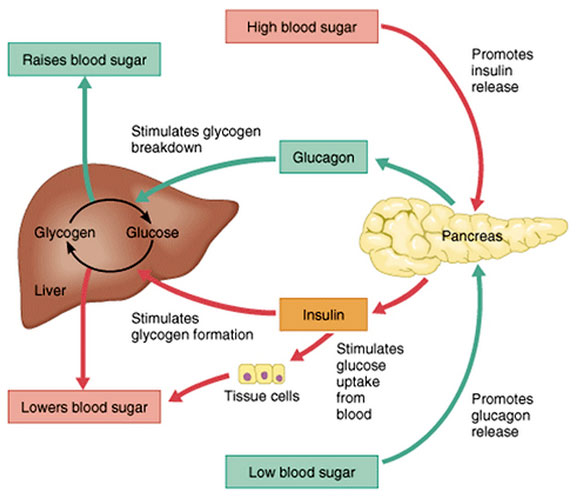
Think of insulin as a door man for your cells. After you eat, especially foods rich in carbohydrates, insulin opens doors so glucose (sugar) can get inside your cells to be used for energy.

In fat tissue, high insulin tells your body to store fat and slows down fat burning. When insulin levels are lower, fat becomes a more willing energy source.
Takeaway : If you can keep insulin from spiking too high too often, your body spends more time burning fat and less time storing it.

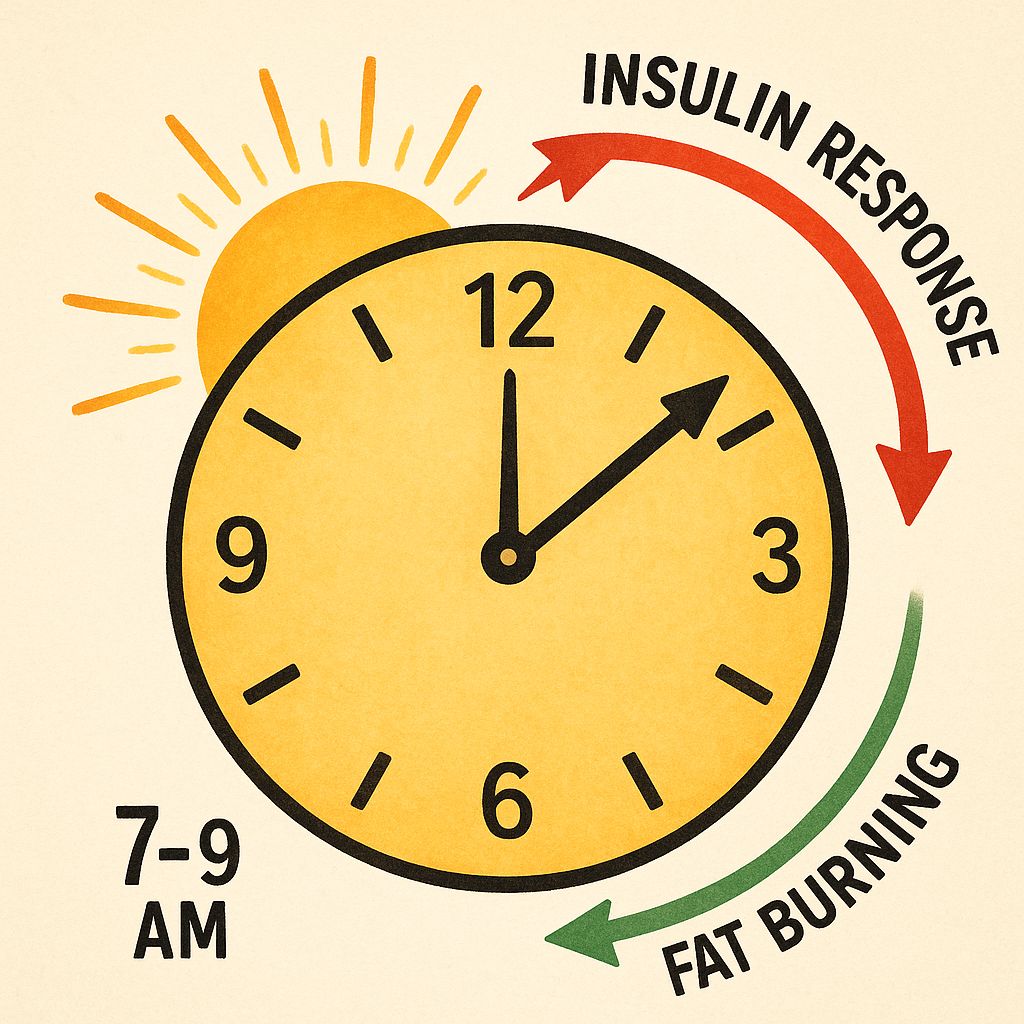
A split diagram showing two paths—one where insulin spikes lead to fat storage, and one where controlled insulin keeps fat burning active.

Section 2: The dawn phenomenon and morning insulin resistance (what happens when you wake up)
In the morning, your body goes through hormonal changes (like a mini wake-up call from sleep). This can temporarily raise glucose production in the liver and slightly lower insulin sensitivity for some people.
The result: your first meals can trigger a bigger insulin response than later in the day, making it a bit easier to store fat if you’re not careful.
Practical upshot: the morning window is “ sensitively insulin-fast” for many people. Small changes now can set a calmer metabolic tone for the rest of the day.

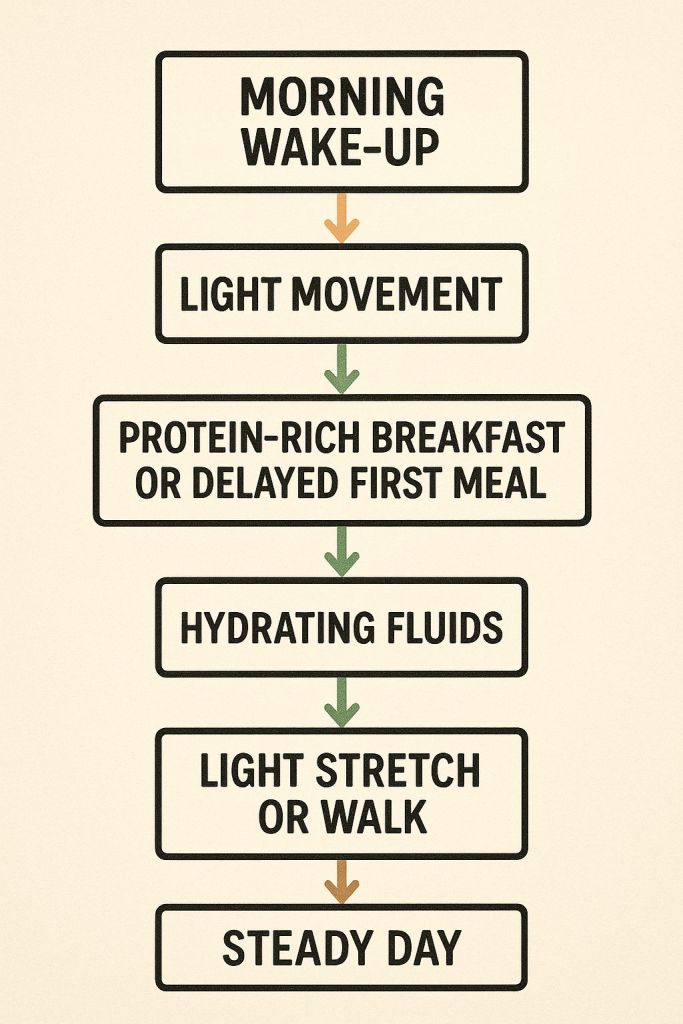
Section 3: The insulin trick—practical, step-by-step (simple, everyday actions)
Goal: Reduce morning insulin surges and encourage gradual fat burning, without extreme diets.

1) Sleep well and stay in rhythm
Aim for about 7–9 hours of sleep.
Try to wake up and go to bed at roughly the same times every day.
Dim lights in the evening and avoid screens that blast you with blue light.

2) Think about when you eat
Time-restricted eating (TRE) can help. A common approach is an eating window of 8–10 hours.
Example TRE windows: 10:00–18:00 or 12:00–20:00.
If you prefer traditional meals, try delaying your first meal in the morning to extend your overnight fast.

3) Breakfast choices (if you eat in the morning)
If you break the fast, choose something high in protein and fiber with a little healthy fat.
Examples:
Eggs with vegetables and avocado.
Greek yogurt with berries, chia seeds, and a handful of nuts.
Keep it lower in simple sugars and aim for steady, moderate energy.

4) Move a little after waking
A short walk, easy bike ride, or a light resistance workout after waking or after your first meal helps improve insulin sensitivity for the day.

5) Carbs and quality matter
Don’t fear carbs, but choose high-fiber, unprocessed sources most of the time (vegetables, legumes, whole grains).
Try to spread carbohydrates across meals rather than piling them all into one early meal.

6) Hydration and electrolytes
Start with water in the morning. If you’re fasting for hours, you can add a pinch of salt or an electrolyte drink to stay balanced.

7) Manage stress and cortisol
Stress and poor sleep raise cortisol, which can drive appetite and cravings.
Simple stress-busters: 5-minute breathing breaks, a short walk, or a few minutes of stretching.

8) Track, adjust, and personalize
Notice how you feel: hunger, energy, sleep, mood.
Small tweaks over time beat big, sudden changes. If you have diabetes or a medical condition, check with a healthcare professional before changing medications or routines.

Section 4: The cortisol connection—stress, sleep, and appetite
Cortisol rises with stress and pace of life. Too much cortisol can increase appetite and cravings and disrupt sleep.
How to keep cortisol in check:
Prioritize good sleep every night.
Build short, relaxing routines (breathing, short walks, gentle stretching).
Create a reasonable evening routine to reduce late-night screen time and heavy meals.

Section 5: Bringing it all together—your simple, friendly plan
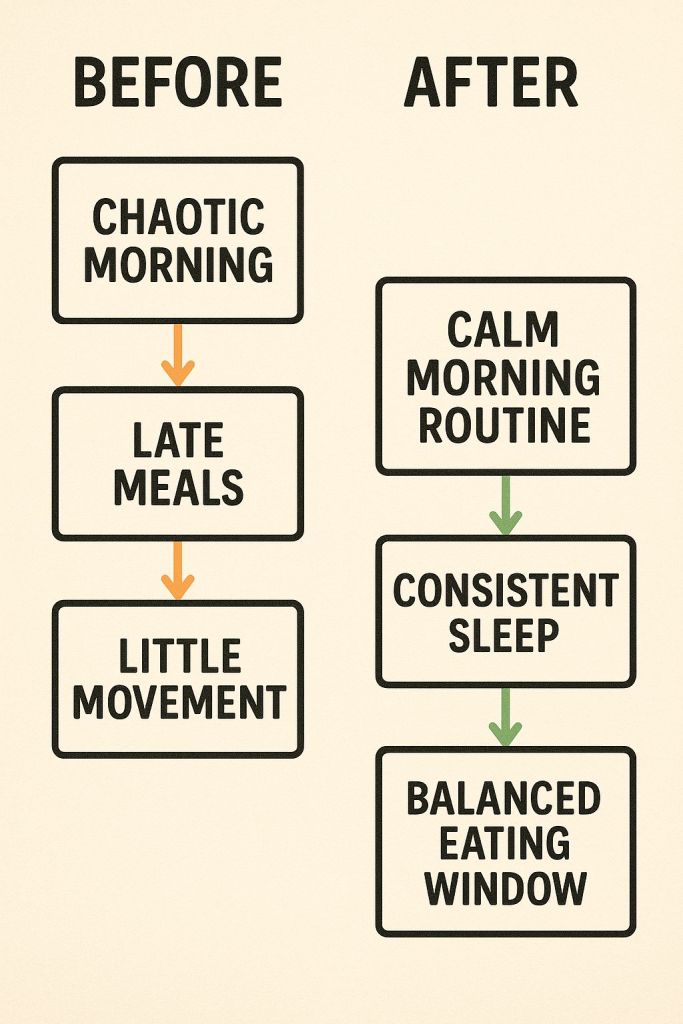
Core idea: the morning window matters. By aligning sleep, meal timing, and gentle movement, you give your body a steady path toward fat burning.
The practical takeaway:
Sleep consistently and aim for 7–9 hours.
Choose a reasonable eating window or delay your first meal to extend the overnight fast.
If you eat in the morning, pick protein-forward meals with fiber and healthy fats.
Move daily in light to moderate ways, especially after waking or meals.
Prioritize hydration, smart carb choices, and stress management.

Section 6: Want a personalized starter plan?
A note: If you’d like, I can tailor a 1–2 week starter plan to your schedule and preferences. Share:
Your typical wake time, work schedule, and preferred eating window.
Any dietary preferences (vegetarian, dairy-free, etc.) or medical considerations.
Your current activity level and sleep habits.

I’ll craft:
A simple daily timetable with meal ideas and suggested portions.
A light workout plan you can do at home or near work.
A quick weekly check-in to track progress and tweak as needed.

Closing thoughts
The power of this approach isn’t in drastic changes but in small, sustainable shifts that fit into real life. By understanding insulin’s role and the morning insulin sensitivity window, you can make choices that support fat loss and energy without feeling deprived.
Remember: everyone’s body is different. If you have a medical condition like diabetes or are on medications that affect insulin or cortisol, talk with a healthcare professional before making big changes.

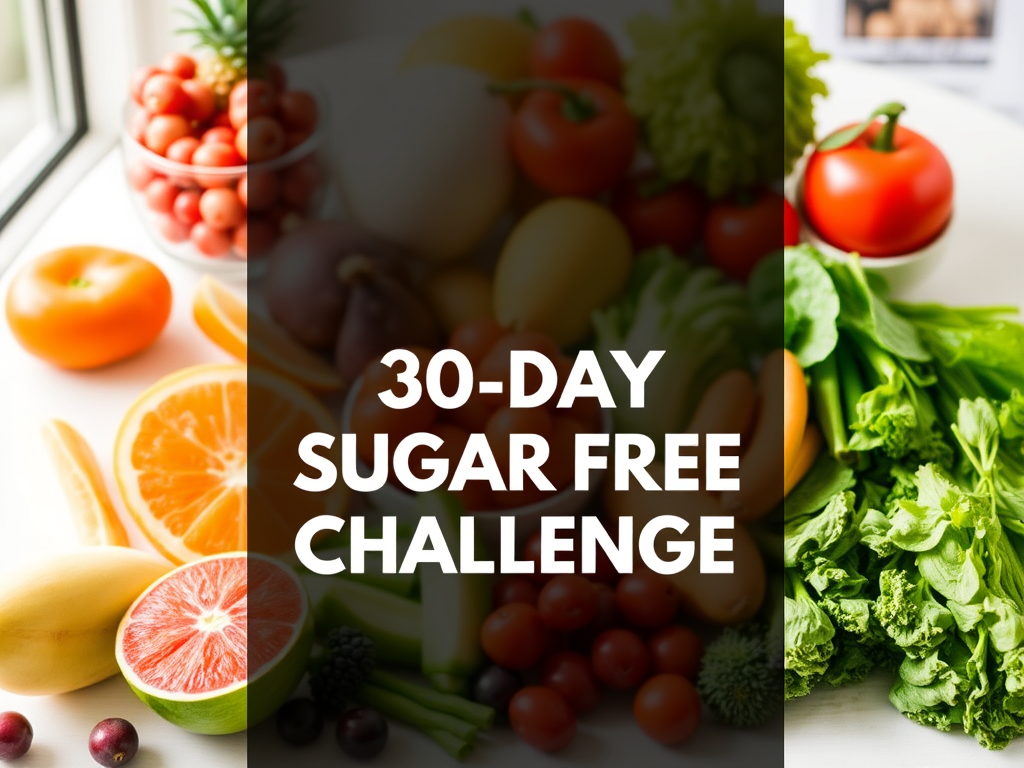
Discover the Transformative Power of Cutting Out Sugar for 30 Days

Imagine feeling more energized, sleeping better, and having clearer skin—all within just a month. Sounds amazing, right? The secret to this transformation might be simpler than you think: cutting out sugar from your diet for 30 days. Let’s explore how removing sugar can dramatically boost your health and well-being.

Why Is Sugar Harmful?

Sugar is everywhere—sweet snacks, sugary drinks, processed foods—and while it might taste good initially, its long-term effects on our bodies can be serious. Consuming too much sugar can lead to insulin resistance, which means your body struggles to use insulin effectively. This can cause cravings, weight gain, and even contribute to chronic illnesses like type 2 diabetes, heart disease, and more.

The Benefits of Going Sugar-Free

  1. Better Blood Sugar and Reduced Cravings
    When you cut out sugar, your body becomes more efficient at burning fat instead of storing it. This helps stabilize your blood sugar levels, reducing those pesky cravings for sweets and carbs. Over time, this can make managing your weight and health much easier.
  2. Healthier Teeth and Gums
    Sugar feeds harmful bacteria in your mouth, which can lead to cavities and gum disease. Removing sugar means fewer of these bacteria thrive, giving you a brighter, healthier smile and reducing dental problems.
  3. Balanced Hormones and Better Sleep
    High sugar intake can throw your hormones out of balance, especially insulin and cortisol, which impact stress levels and sleep quality. Eliminating sugar helps keep these hormones in check, leading to more restful nights and a calmer, more balanced mood.
  1. Sharper Brain and Improved Mood
    A diet without added sugar can boost brain function, helping you think more clearly and focus better. It also stabilizes blood sugar swings that can cause mood dips, anxiety, or depression. Many who try this notice feeling more emotionally steady and energized.
  2. Protecting Your Eyes and Kidneys
    Long-term high sugar consumption increases the risk of eye damage (retinopathy), kidney failure, and nerve damage—serious complications often linked with diabetes. Cutting sugar reduces these risks and promotes overall organ health.
  3. Stronger Immune System
    Sugar hampers white blood cells, which are essential for fighting off infections. When you eliminate sugar, your immune defenses get stronger, helping you stay healthier and recover faster from illnesses.
  1. Clearer, Acne-Free Skin
    Inflammation caused by sugar can lead to skin problems like acne and dullness. Reducing sugar helps decrease inflammation, leading to clearer, more radiant skin.
  2. Lowered Inflammation and Reduced Disease Risk
    Chronic inflammation is at the root of many diseases, including heart disease. Cutting out sugar helps reduce inflammation levels, improving your overall health and cholesterol profiles.
  3. Lasting Weight Loss
    Instead of quick fixes or yo-yo dieting, eliminating sugar addresses the root causes of weight gain. Many find that they naturally lose weight and keep it off when they focus on metabolic health.
  1. Rediscovering Flavors
    After a month without sugar, your taste buds become more sensitive. Fruits, vegetables, and other healthy foods start tasting more vibrant and satisfying, making healthy eating more enjoyable.

Your 30-Day Challenge

The idea is simple: commit to avoiding added sugar and white flour for 30 days. Notice how your body responds—your energy levels, mood, sleep, skin, and overall health. Remember, everyone’s body reacts differently, so listen to yours and find the balance that works best for you. Moderation is key, especially with foods like bread and rice.

The Power of Change

Taking this challenge can be life-changing. Many people report feeling more vibrant, less dependent on sweets, and more connected to what their bodies truly need. A sugar-free month isn’t about deprivation; it’s about giving your body the nourishment and respect it deserves.

Are you ready to see how good you can feel? Start your 30-day sugar detox today and embrace a healthier, happier you!

Unlocking Better Health Through Fasting and Smart Eating Habits

In today’s fast-paced world, our eating habits often revolve around constant snacking and frequent meals, which can sometimes do more harm than good. Increasing research and expert insights show that adopting a mindful approach to eating — particularly through fasting and low-carb, nutrient-dense foods — can significantly boost your overall health, energy, and even mental clarity.

Why Fasting Matters

Fasting isn’t about starving yourself; it’s about giving your body a break from the constant cycle of eating. When you skip unnecessary meals, especially breakfast, your body starts to burn stored fat for energy instead of relying on quick sugar spikes from snacks. This process not only promotes fat loss but also supports your immune system, brain function, and mood.

One key point is understanding your body’s signals. If you’re not feeling hungry, that’s a good sign you’re effectively fasting. It means your body has shifted from dependence on constant food intake to using stored energy.

The Power of Intermittent Fasting

Intermittent fasting (IF) involves setting specific windows of time for eating and fasting. For beginners, a simple approach might be to eat only between noon and 6 p.m., giving your body a 16-hour fasting window. During this period, it’s best to avoid snacking or eating small amounts of food, as even minor carbs can stimulate insulin and break your fast.

For those more experienced or plateauing in their progress, adjusting the fasting window or experimenting with different patterns can help unlock further health benefits.

Smart Meal Planning

While fasting, what you eat during your eating window is just as important as when you eat. Focus on low-carb, high-quality foods that nourish your body:

Keep carbs low:** Aim for around 20-30 grams of carbohydrates per meal. This helps keep insulin levels stable and promotes fat burning.
Use healthy fats:** Incorporate fats like butter in coffee (popularly known as Bulletproof Coffee), MCT oil, or avocados. These fats provide sustained energy and help you feel full longer.
Prioritize nutrient-dense foods:** Vegetables, especially leafy greens and cruciferous types, are packed with essential minerals and fiber. They support digestion, detoxification, and overall health.
Limit processed and low-quality foods:** Choose whole, natural foods over carb-heavy, processed options that can sabotage your efforts.

Hydration and Supplements

Staying well-hydrated is crucial, especially during fasting periods. Adding apple cider vinegar or lemon juice to your water can help improve insulin sensitivity and assist your body in absorbing nutrients more effectively. These small additions can also make water more flavorful and enjoyable.

Getting enough vegetables not only supplies vital nutrients but also adds fiber, which supports gut health and keeps cravings at bay.

Health Benefits Beyond Weight Loss

Many people focus on losing weight with fasting, but the real benefits go much deeper:

Sharper mental clarity and mood:** Fasting can boost brain function and emotional stability.
Stronger immune system:** It promotes the regeneration of immune cells, helping your body fight off illnesses.
Enhanced resilience:** Over time, fasting can make your body more adaptable and better equipped to handle stress.

Avoiding Common Pitfalls

Some mistakes can derail your fasting journey. Snacking between meals, even if it’s just a small bite or a handful of nuts, can spike insulin and stop fat-burning. Similarly, consuming too many carbs or processed foods can prevent you from reaching ketosis — the fat-burning state.

Patience and consistency are key. Remember, this isn’t a quick fix but a lifestyle change aimed at better health in the long run.

A Mindset Shift: Quality Over Moderation

Many believe moderation is the key to a balanced life, but when it comes to certain foods — especially carbs and processed snacks — strict limits are often necessary. Reducing or eliminating these from your diet can lead to more significant health improvements than attempting to “moderate” their intake.

Start Your Journey Today

Making small, sustainable changes can have profound impacts. Skipping unnecessary snacking, focusing on nutrient-rich, low-carb foods, and creating a consistent fasting routine can set you on the path to improved health, energy, and resilience.

Remember: patience and persistence are your best allies. Every step you take toward healthier habits is a step toward a stronger, happier you.

Take Action

If you’re interested in learning more about healthy eating habits, fasting, and how to implement these strategies safely, look for trusted resources and consider consulting with a healthcare professional. Your journey to better health starts today!

Breaking Myths and Embracing Balance: A Practical Approach to Weight Loss and Health

In the journey towards a healthier body, many individuals find themselves caught in a web of misconceptions and unrealistic expectations. Misunderstandings about exercise, diet, and the nature of weight loss can often hinder progress and lead to frustration. It’s time to dispel these myths and adopt a balanced, informed perspective on achieving sustainable health.

Rethinking Exercise: More Than Just Workouts

While physical activity is undeniably beneficial for overall health, the idea that exercise alone guarantees weight loss is a common misconception. Effective weight management hinges on creating a calorie deficit—burning more calories than you consume. Exercise contributes to this deficit but is only one piece of the puzzle. Incorporating consistent physical activity, alongside mindful eating, is key to achieving and maintaining a healthy weight.

Demystifying Diet: Embracing Nutritional BalanceDietary myths abound, often leading people to avoid healthy fats or unnecessarily restrict carbohydrates. It’s important to recognize that not all fats are enemies; healthy fats found in foods like butter, ghee, nuts, and seeds are vital for bodily functions. Similarly, carbohydrates are an essential energy source; the focus should be on choosing complex carbs—such as whole grains, vegetables, and legumes—over refined sugars and processed foods. A balanced diet that includes a variety of nutrients supports both weight loss and overall well-being.Understanding Your Body: The Role of Individual DifferencesEvery individual’s body responds differently to diet and exercise due to factors such as genetics, metabolism, and hormonal health. Awareness of these differences can help set realistic expectations and tailor a personalized approach. Recognizing that weight management isn’t solely about willpower but also involves biological factors encourages a compassionate and patient mindset.

The Power of Caloric AwarenessCentral to weight loss is maintaining a caloric deficit. This means consuming fewer calories than your body needs to maintain its current weight. Achieving this balance involves mindful eating—reducing portion sizes, choosing nutrient-dense foods—and staying active. Remember, sustainable weight loss is not about extreme restrictions but about making consistent, healthy choices.

Lessons from Real-Life StoriesMany individuals have successfully transformed their health by making small, manageable lifestyle changes. These stories highlight that weight management is a journey, not a quick fix. Beyond physical changes, these experiences often lead to improved mental health, boosted self-esteem, and a better quality of life. Society’s emphasis on appearance can exert immense pressure, but true wellness is rooted in feeling good and being healthy.

Cultivating Healthy Habits

Adopting a healthier lifestyle involves more than just diet and exercise. Managing stress through mindfulness, ensuring adequate sleep, and fostering a positive relationship with your body are equally important. Small, consistent steps—like choosing whole foods, staying active, and practicing self-compassion—can lead to lasting change.

A Realistic Perspective on Weight and Health

The key to successful weight management is cultivating a realistic understanding of your body and health. Avoid falling prey to diet fads and myths; instead, focus on balance, patience, and consistency. Remember, sustainable health is a lifelong journey, built on informed choices and self-care.

In conclusion, embracing a balanced approach—one rooted in knowledge, patience, and self-compassion—is the most effective way to achieve your health goals. Forget the myths, listen to your body, and prioritize overall well-being over fleeting trends. Your journey to health is uniquely yours, and every small step counts toward a healthier, happier you.