The Power of Being a High-Value Woman: Inner Strength Over External Validation

In today’s world, many women are often told they need to look a certain way, have a specific amount of money, or be in a perfect relationship to feel truly valued. But here’s the truth: real value comes from within. It’s about how connected you are to yourself, your inner strength, and your self-respect. Being a “high-value woman” isn’t about impressing others — it’s about nurturing your own sense of worth and living intentionally.

Start Your Day with Self-Connection

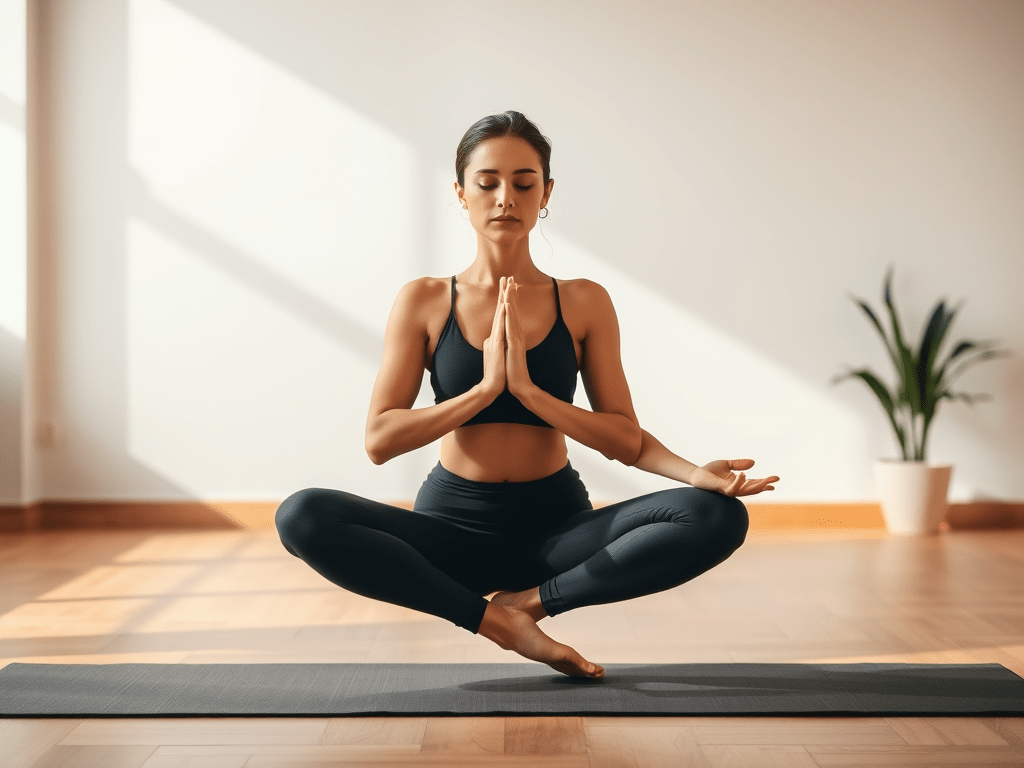
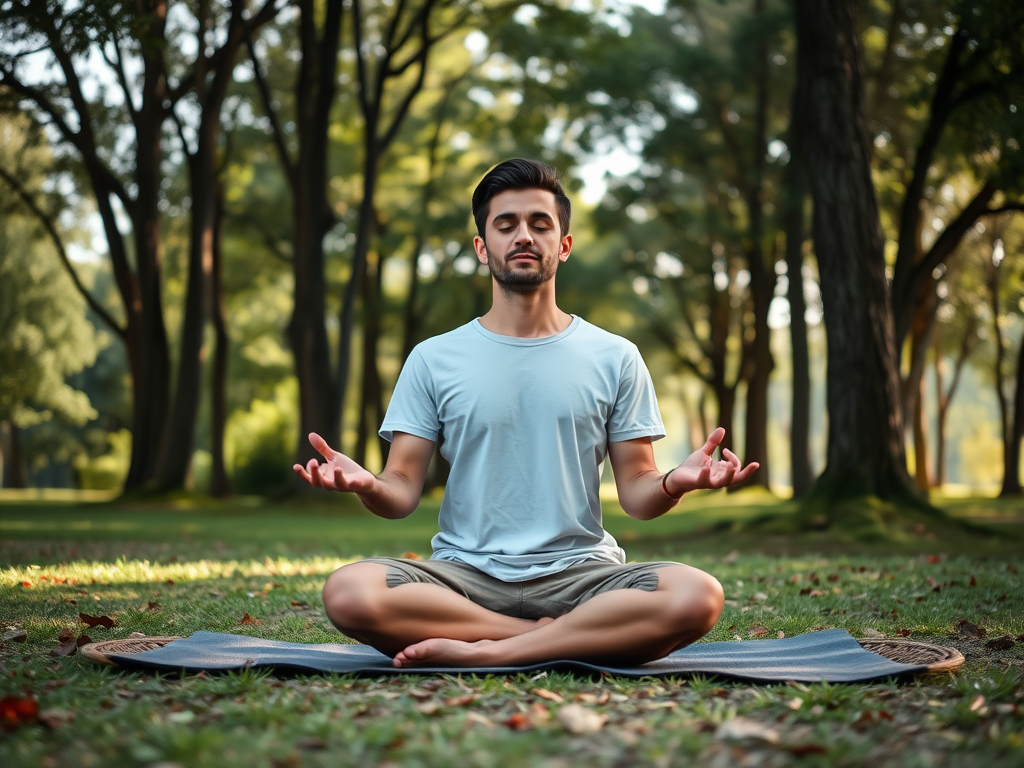
How you begin your day sets the tone for everything that follows. Instead of rushing to grab your phone the moment you wake up, take a few quiet minutes just for yourself. Breathe deeply, stretch gently, or practice a quick mindfulness exercise. Think about what you want today to be about. This small act of intentionality helps you center yourself before the world pulls you in different directions.

Prioritize Self-Care and Self-Acceptance

A high-value woman recognizes her own needs and makes space for self-care. Whether that’s enjoying a healthy breakfast, journaling her thoughts, or simply taking a moment of silence, she understands that caring for herself isn’t selfish — it’s essential. She embraces her body, appreciating its strength and beauty, rather than criticizing it or comparing herself to others.

Set Your Own Standards and Boundaries

Instead of letting outside influences define her worth, she sets clear boundaries and standards for herself. This might mean saying no to things that drain her energy or yes to activities that nourish her soul. It’s about knowing what feels right for her and sticking to it, whether that’s in her relationships, work, or daily routines.

Move and Dress with Purpose

Every action, from how she moves through her day to how she dresses, is intentional. She chooses clothing that makes her feel confident and comfortable, not just what’s trendy or expected. She moves with purpose, whether she’s walking into a meeting or taking a walk in nature, because she understands her own power.

Build a Positive Inner Dialogue

The way you talk to yourself matters. A high-value woman cultivates a kind, encouraging inner voice. She replaces self-criticism with self-love and reminds herself of her worth, especially when societal pressures or negative influences try to creep in. This inner resilience helps her stay grounded and confident.

Learn from Women Who Prioritize Themselves

Many inspiring women—mothers, entrepreneurs, professionals—show us that carving out time for oneself, establishing boundaries, and practicing self-love are crucial steps towards inner strength. These women are examples of how prioritizing your well-being doesn’t detract from your success; it fuels it.

The Bottom Line

Being a high-value woman isn’t about perfection or external achievements. It’s about commanding your own day, protecting your peace, and cultivating an inner strength that radiates outward. When you nurture your self-love and respect, you become more confident, resilient, and truly valuable — not because of what you have or what others think of you, but because of who you are deep inside.

Remember, true worth comes from within. Start each day with intention, set your boundaries, and honor yourself. That’s how you become the high-value woman you’re meant to be.

Stress, Cortisol, and How Hobbies Can Help You Feel Better

Did you know? Even if you eat healthy, exercise, and take supplements, you might still feel stressed all the time. That’s because your body is dealing with something called cortisol, the stress hormone, which can cause many health problems if it stays high.

What Does Stress Do to Your Body?

When you’re stressed, your body reacts as if you’re in danger — this is called the fight-or-flight response. It’s useful in emergencies, but if you stay in this state all the time, it can hurt your health.

How Stress Affects You:

Hormones like cortisol and adrenaline stay high:** This makes your body stay alert, but too much can cause health issues.
Weakens your immune system:** Making it easier to get sick.
Muscle loss & low testosterone:** Losing muscle and feeling less energetic or less masculine.
Blood sugar rises:** Even if you don’t eat sugar, stress can increase your blood sugar levels.

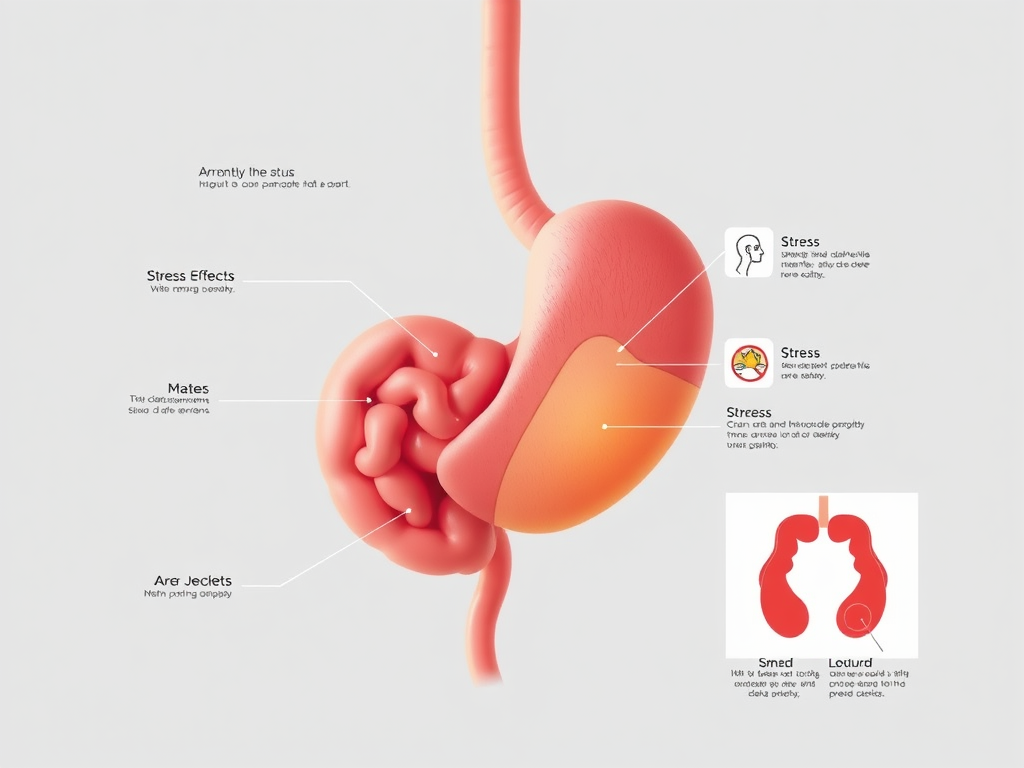
Stress and Digestion Problems

Stress can also mess up your stomach and digestion:

Less stomach acid and enzymes mean trouble digesting food.
You might get acid reflux, stomach ulcers, or gastritis.
Your body struggles to digest fats, causing bloating.
It can also lead to constipation because your gut slows down.

Why Do We Find It Hard to Handle Stress?

Our modern lives change quickly, but our bodies haven’t adapted fast enough. We tend to focus on negative things and forget the good stuff, which makes us more anxious.

Important: Worrying about problems is different from solving them. Excess worry only makes anxiety worse and stops us from thinking clearly.

The Dangers of Ongoing Stress

If stress goes on for too long, it can cause:

Lots of health problems, including heart disease and diabetes
Reactivation of old viruses like cold sores or shingles
Feeling tired, anxious, and unhealthy overall

How Can We Feel Better?

Research shows that doing something creative or fun can help lower stress hormones.

Hobbies to the Rescue

One interesting study found that just 45 minutes of doing something artistic — like drawing, painting, or crafting — can significantly reduce cortisol levels.

Tip: Find activities you love. Whether it’s gardening, dancing, cooking, or drawing — hobbies can help you relax and feel better.

Take Care of Yourself

Remember, taking care of yourself isn’t a luxury — it’s a must. Make time for hobbies, do things you enjoy, and focus on feeling good.

Final Message

Stress is part of life, but it doesn’t have to control you. By understanding what it does and adding fun, relaxing activities into your day, you can improve your health and happiness.

Start today — do something that makes you smile!

Remember: You deserve to feel good — inside and out.

Take care and stay happy! 😊🌟

Sarah’s Journey: Finding Health and Happiness

In a small town surrounded by beautiful hills, there lived a woman named Sarah. She was in her early forties and was a loving wife and mother to three active kids. To the outside world, Sarah seemed to have a great life, but inside, she was struggling. She dealt with obesity, stress, and anxiety, and it was taking a toll on her happiness.

Sarah had been heavy for most of her life. As a child, she found comfort in food, and as an adult, those habits continued. With her busy job and family responsibilities, Sarah often chose quick meals like fast food or snacks instead of healthy options. Eating became her way of coping with stress, but it also made her feel guilty and unhappy.

Every time Sarah looked in the mirror, she felt sad. She was tired of feeling out of breath after climbing the stairs or playing with her kids. It was hard for her to keep up with their energy. She started avoiding social gatherings, worried about what others would think of her. The weight of her struggles felt heavy, and she longed for change but didn’t know where to begin.

One rainy afternoon, Sarah was scrolling through social media when she saw a video of a woman who had changed her life by eating better and exercising. The woman talked about her own battles with weight and anxiety, and Sarah felt a spark of hope. “Maybe I can do this too,” she thought.

The next morning, Sarah decided to take a step forward. She woke up early and went for a short walk in her neighborhood. At first, it was tough, and she struggled to keep going. But as she walked, she noticed the pretty flowers and the sound of birds singing. It felt good to be outside, and she began to smile. It was a small victory, but it lit a fire inside her.

After that first walk, Sarah focused on what she was eating. Instead of grabbing chips or cookies, she chose fresh fruits and vegetables. The first few days were challenging; she craved her favorite snacks. But as she continued, she started to enjoy the taste of healthy foods. Cooking became fun for her, and each meal felt like a small win.

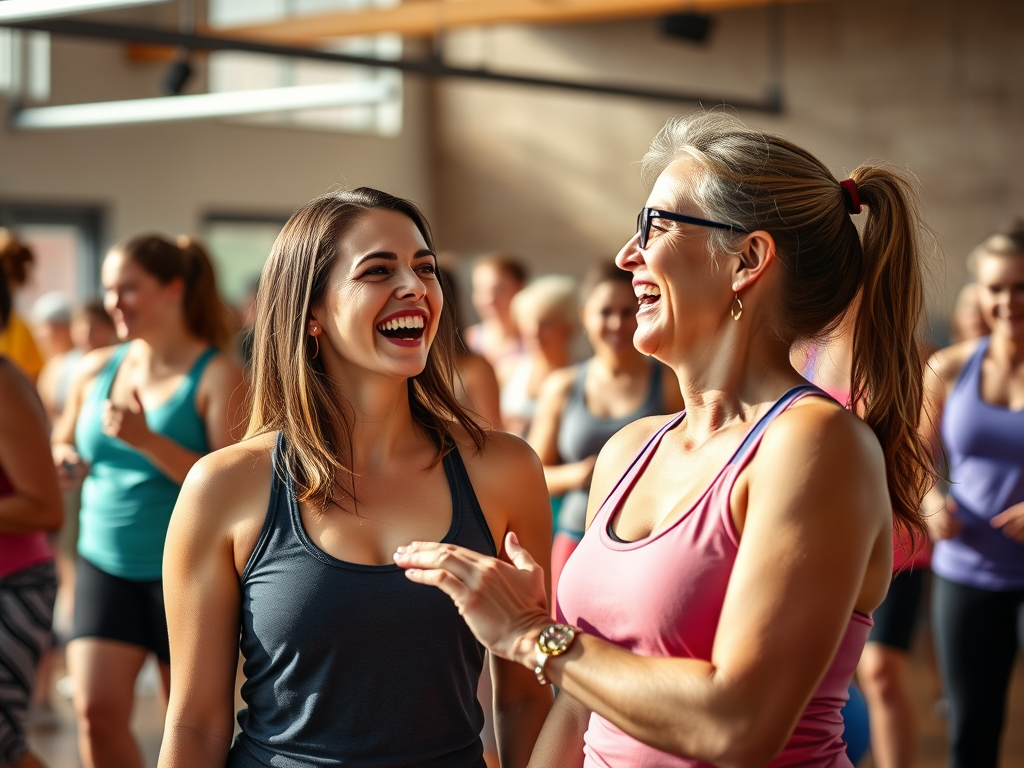
As weeks turned into months, Sarah noticed big changes. She had more energy, and her mood started to lift. She decided to join a local fitness class to find support and meet new friends. On her first day, she felt nervous, but the friendly atmosphere made her feel welcome. She began to laugh and enjoy working out, surrounded by people who understood her journey.

One day after class, Sarah met a woman named Lisa. They quickly bonded over their shared struggles with weight and stress. Lisa shared her own story of transformation, showing Sarah that it was possible to change her life. They became workout buddies, cheering each other on and keeping each other motivated.

As summer rolled in, Sarah felt inspired. Instead of signing up for a race, she decided to organize a family hike at a local nature reserve. The idea excited her, as she envisioned a day filled with adventure and connection with her loved ones. She invited her family to join her for a fun day outdoors, where they could explore nature together.

Sarah began training for the hike by going on longer walks and gradually increasing her stamina. She wanted to ensure she could keep up with her kids and enjoy the day without feeling exhausted. Training was not always easy; some days she felt tired and wanted to give up. But she remembered how far she had come and the joy of moving her body. With every step she took, she felt stronger and more confident. She learned to celebrate small victories, like walking a little farther each time.

The day of the hike finally arrived, and Sarah was filled with excitement. As she packed snacks and water for her family, she felt a rush of joy. This was a chance to create wonderful memories together. When they arrived at the nature reserve, the beauty of the lush greenery and the sound of birds chirping made her heart soar.

During the hike, Sarah encouraged her kids to explore the trails, pointing out interesting plants and animals along the way. She felt a sense of freedom as she climbed hills and navigated the paths. As they reached the top of a hill, the view was breathtaking, and Sarah’s family cheered with delight. In that moment, Sarah felt a sense of accomplishment and happiness that she hadn’t felt in a long time.

In that moment, Sarah realized this journey was about more than losing weight; it was about reclaiming her health and happiness. She had transformed her body and her mindset. She learned that she was capable of achieving her goals, no matter how difficult they seemed.

After the hike, Sarah felt empowered to continue her health journey. She embraced a balanced lifestyle, enjoying treats in moderation and staying active. Her relationship with food changed; it became about nourishment rather than guilt. She made sure to spend quality time with her family, doing things like biking, hiking, and cooking healthy meals together.

As time passed, Sarah’s transformation inspired not just herself but also those around her. Friends and family noticed her positive energy and healthier choices. Some even joined her in getting healthier. Sarah realized her journey wasn’t just about her—it was about encouraging others to take charge of their health too.

Conclusion

Sarah’s story shows us that overcoming obesity, stress, and anxiety is a powerful journey. It’s about making small, meaningful changes, finding support, and celebrating victories along the way. At Shinedeeps, we believe everyone can reclaim their health and happiness, just like Sarah did. Remember, every little step counts, and it’s never too late to start. Embrace your journey, and you might inspire others to join you!

Cultivating wellness: Your Easy Guide to a Healthier Life

in today’s busy world, it can be hard to keep up with our health. But taking care of ourselves is super important!

This blog is here to help you understand how to feel better in your body and mind. We’ll explore simple tips backed by science that can make a real difference in your life. Let’s get started on this journey to better health together!

The Basic of physical Health

Taking care of your body is the first step to feeling good. This chapter will talk about exercise, eating well, and getting enough sleep.

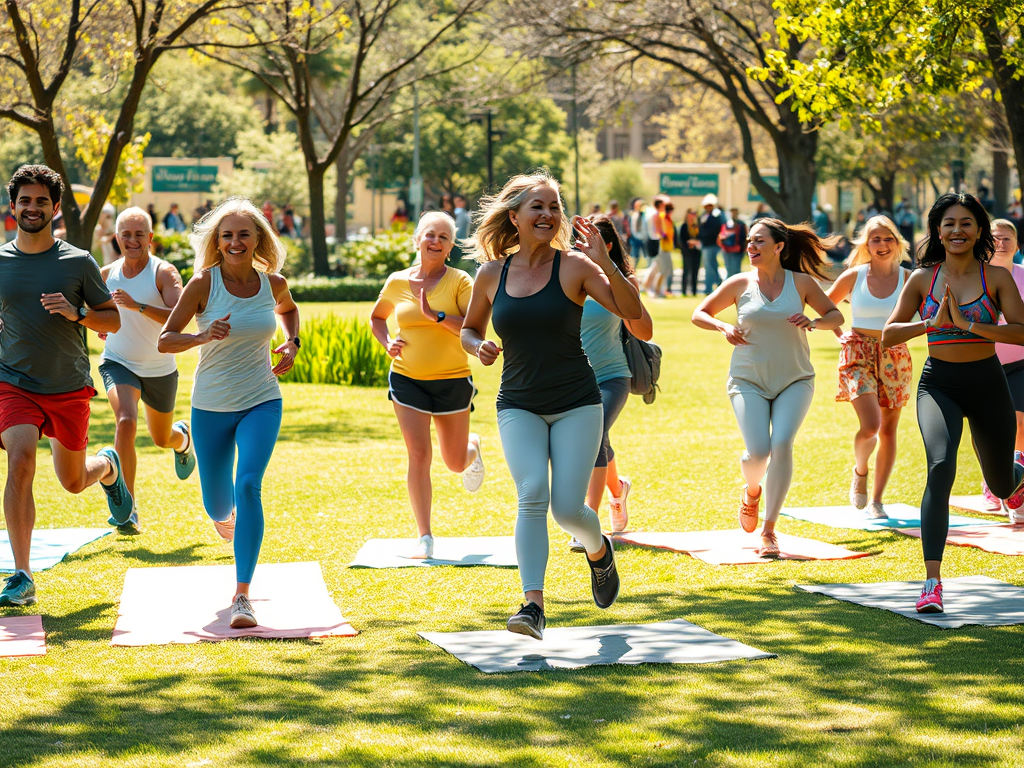
Moving your body is essential! Studies show that regular exercise can help reduce feelings of anxiety and depression. Aim for at least 150 minutes of moderate activity a week. This could be as simple as taking a brisk walk, dancing to your favorite songs, or biking around the neighborhood. For example, you might set a goal of walking for 30 minutes three times a week or doing some light strength training exercises at home.

Nutrition

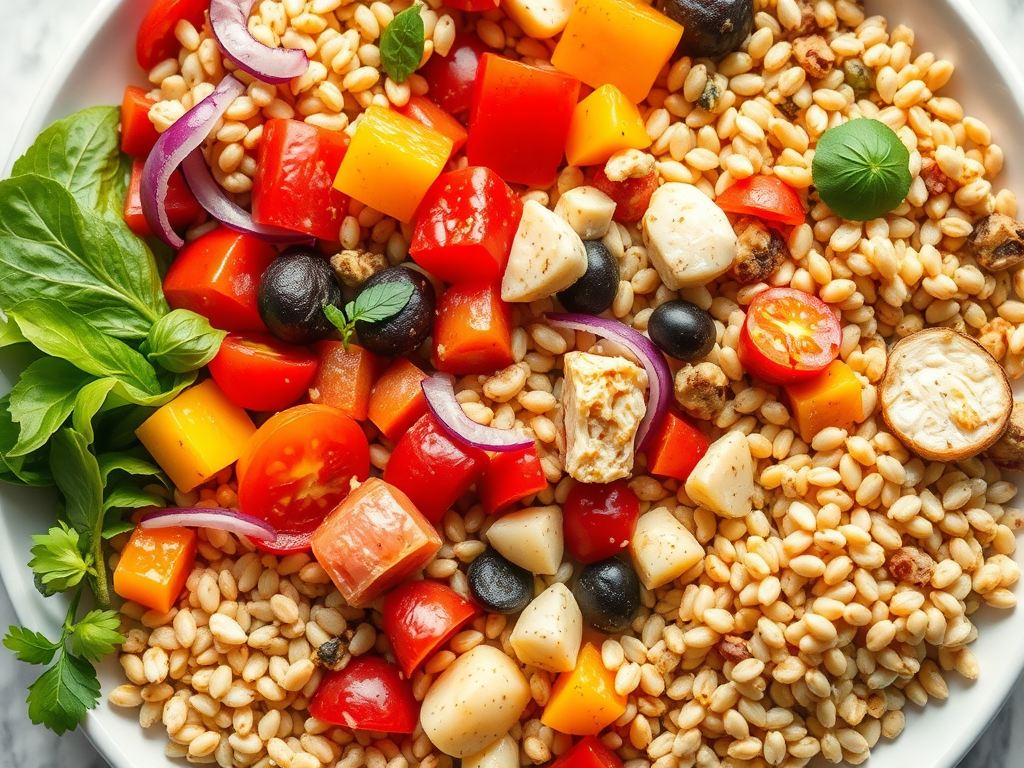
What we eat has a big impact on how we feel. The Mediterranean diet—rich in fruits, vegetables, whole grains, and healthy fats—can help keep our hearts and minds healthy. Try to fill your plate with colorful foods. A simple recipe could be a quinoa salad with cherry tomatoes, cucumbers, and a splash of olive oil. It’s tasty and good for you!

Sleep

Getting enough quality sleep is crucial for feeling your best. Aim for 7-9 hours each night. You can improve your sleep by sticking to a bedtime routine, like reading a book or taking a warm bath before bed. Avoid screens at least an hour before sleeping to help you wind down.

Mental Wellness: Taking Care of Your Mind

Just like your body, your mind needs care too! This chapter will share easy ways to boost your mental health.

Journaling:

A close-up shot of an open journal with handwritten notes and a pen. This could be set on a cozy table with a cup of tea nearby, symbolizing the reflective and personal nature of journaling.

Talk to Someone

If you’re feeling down or overwhelmed, don’t hesitate to reach out for help. Talking to a friend, family member, or professional can make a big difference.

Nutrition: Eating for Better Health

Food is fuel for our bodies and minds. This chapter will show how to make better choices when it comes to eating.

Whole foods vs. Processed Foods

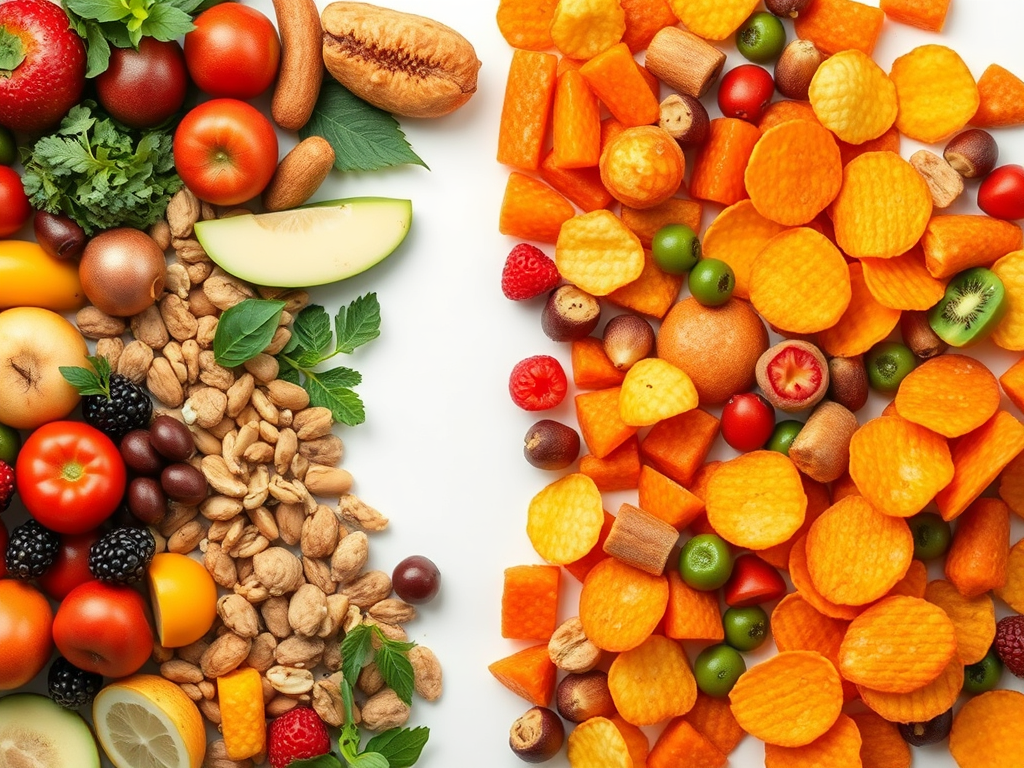
Eating more whole foods, like fruits, vegetables, and whole grains, can help you feel better. Try to limit processed foods, which often contain unhealthy sugars and fats. When you’re at the grocery store, stick to the outer aisles where fresh foods are usually found.

Super Foods

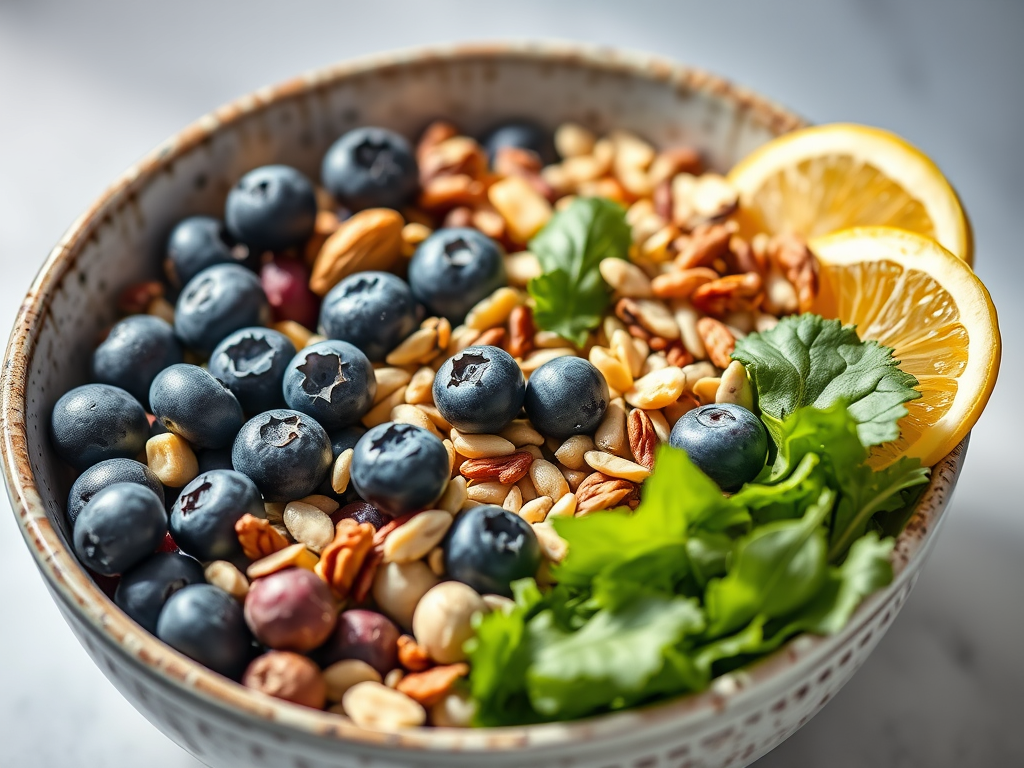
Some foods are especially good for you. For example, blueberries are full of antioxidants that can help your brain function. Consider adding them to your breakfast yogurt or smoothie for a tasty boost.

Simple Recipes

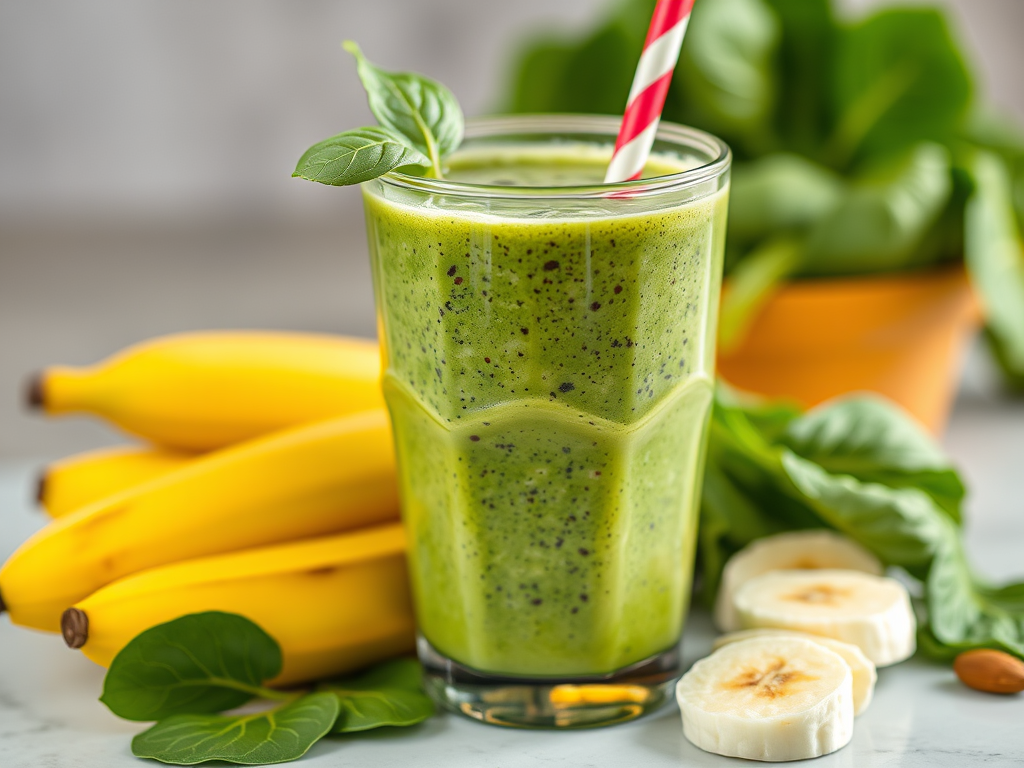
A quick and healthy breakfast idea is a smoothie made with spinach, banana, almond milk, and a scoop of peanut butter. It’s delicious and packed with nutrients to start your day right

The Importance of Relationship

Having strong connections with others is key to feeling happy and supported. This chapter will discuss how to build and maintain healthy relationships.

Stay Connected

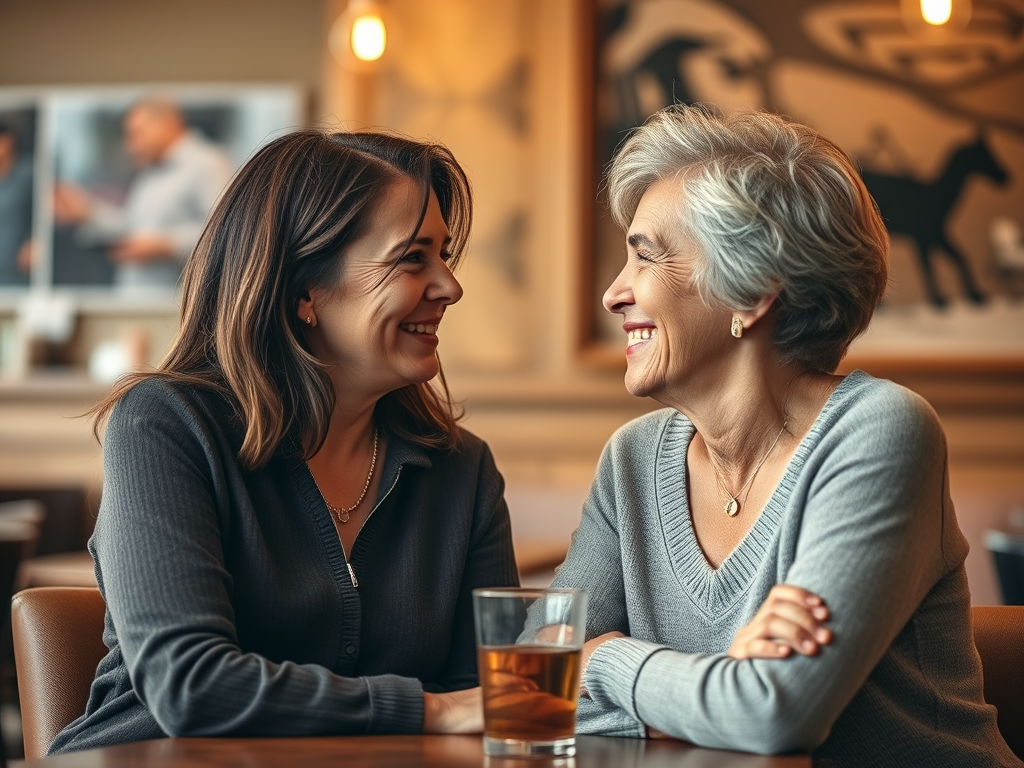
Studies show that people with strong friendships live longer and happier lives. Make time for your friends and family. Whether it’s a weekly coffee date or a phone call, staying connected is important.

Improve Communication

A heartwarming photo of a group of friends enjoying a picnic or outdoor gathering. This should represent the joy of friendship and community, showing people laughing and having fun together.

Volunteer

Helping others is a great way to feel connected and fulfilled. Look for local volunteer opportunities where you can meet new people and make a difference in your community.

Holistic Practices for Overall Wellbeing

This chapter will explore ways to take care of your whole self-body mind, and spirit.

Yoga and Tai Chi

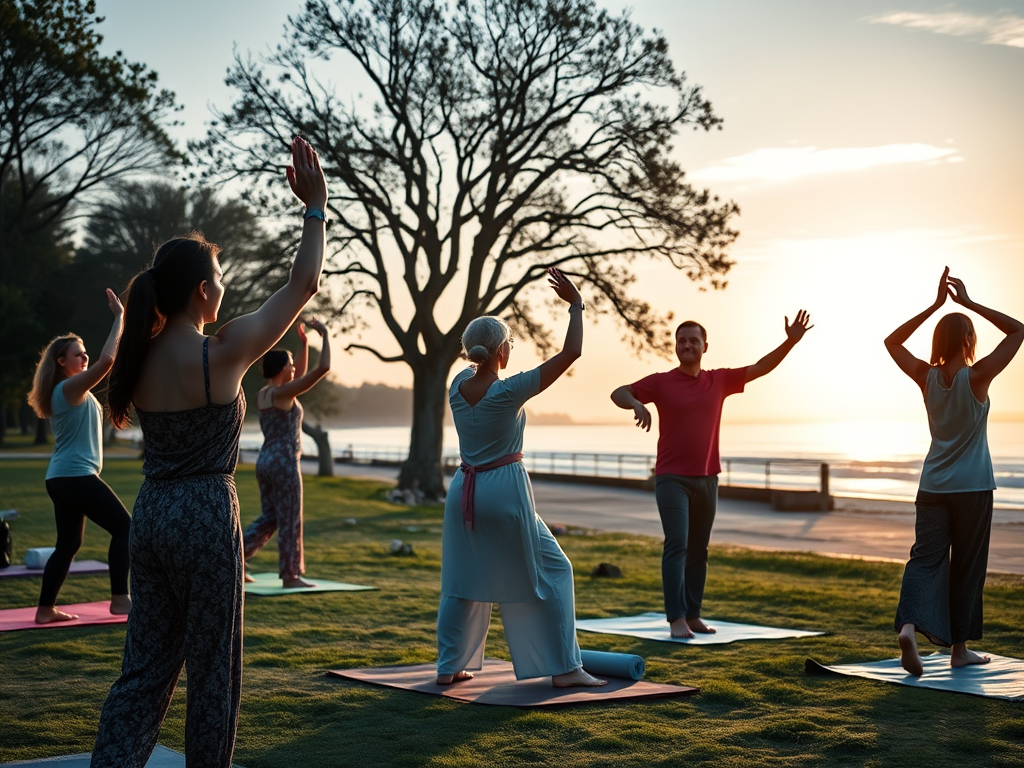
Both of these practices can help reduce stress and improve flexibility. You can find online classes or apps to guide you through beginner sessions. Just a few minutes each day can make a big difference!

Alternative Therapies

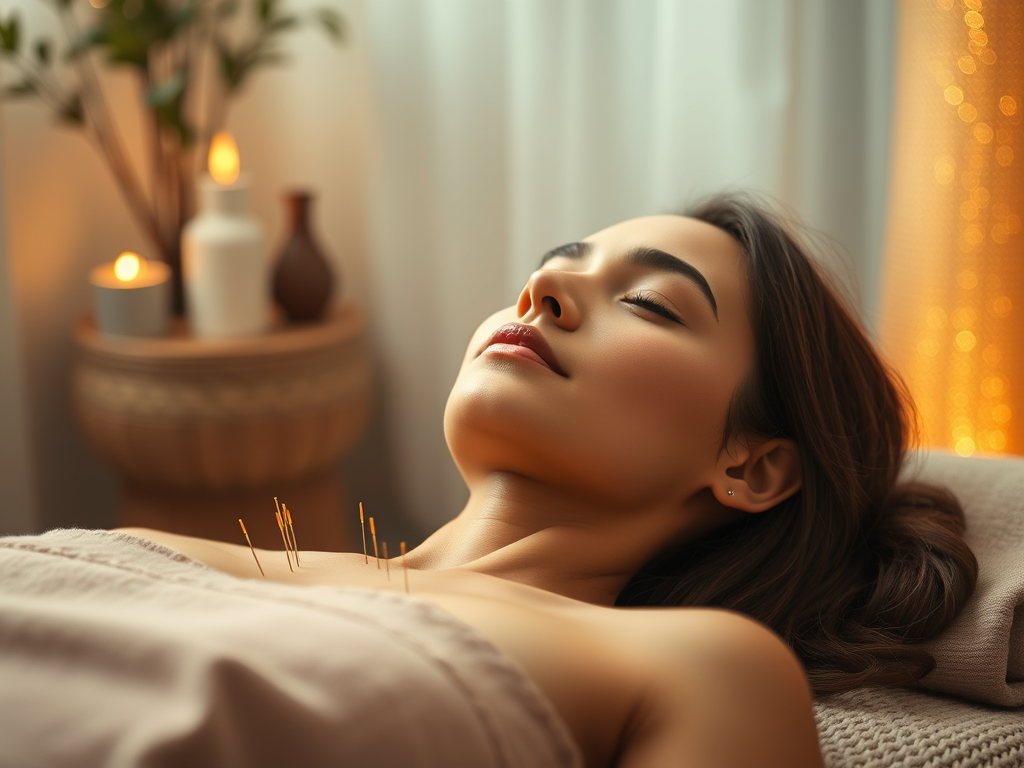
Acupuncture and other holistic practices can help with stress relief and pain management. If you’re curious, do some research and find licensed practitioners in your area.

Self-care Rituals

Providing examples of self-care practices, such as taking a relaxing bath, engaging in creative hobbies, or spending time in nature, can inspire readers to prioritize their well-being.

Your Journey to Wellness

Remember, improving your health is a journey, not a race. It’s about making small, positive changes that add up over time. Take a moment to think about your health goals and what steps you can take today. Share your experiences in the comments below—let’s support each other on this path to wellness!