🌱 The Truth About Herbalife Shakes & Supplements — And My Own Experience

Over the past few years, Herbalife has become a household name in the wellness industry. You’ve probably seen friends, family members, or influencers talking about their miracle shakes, fat-burning supplements, or health-boosting powders.

The marketing is impressive — promises of weight loss, better digestion, and boundless energy — all wrapped in shiny containers with fresh, healthy imagery. But behind the branding, there’s an important question to ask: Do these products really work the way they claim?

1️⃣ The Claims vs. The Science

What’s promised:
Herbalife shakes are often marketed as meal replacements that can help with weight loss while providing all the nutrients your body needs. Supplements claim to improve metabolism, support gut health, and even boost immunity.

The science reality:
• Meal replacements can help with calorie control, but they’re not magic. Any calorie deficit — whether from shakes or smaller food portions — can lead to weight loss.
• The shakes do contain vitamins and protein, but many of these nutrients can be found in whole foods (which also provide fiber, antioxidants, and other plant compounds you miss in processed powders).
• Some supplements use ingredients backed by limited studies, but the overall effect is often small compared to lifestyle changes like balanced eating, sleep, and regular movement.

2️⃣ My Story: Why I’m Still Cautious Today

Years ago, I personally joined the Herbalife trend. For about a year or two, I took the shakes regularly. At the time, I was perfectly healthy — no digestion problems, no gut issues.

But during that period, I began experiencing severe constipation. Over time, it became chronic. Even after I stopped Herbalife completely, the problem didn’t go away.

Fast forward more than 17 years later… I’m still dealing with the effects:
• Ongoing constipation
• Pain after bowel movements
• Occasional blood in stool

It’s been life-changing in the worst way. People often tell me, “You should sue them” — but after so many years, without medical records from that time, it’s nearly impossible. And that’s part of the issue with supplement harm — the effects can appear gradually and leave you with long-term problems that are hard to prove later.

3️⃣ The Marketing Strategy

One big reason Herbalife is everywhere is their network marketing model. Instead of being sold in stores, the products are sold by independent distributors who earn a commission.
This can create extra pressure to promote the products, sometimes leading to overstated health claims.

4️⃣ Potential Downsides

While many people drink Herbalife shakes without issues, here are some concerns:
• Highly processed: These shakes often contain artificial sweeteners, flavorings, and additives to improve taste and shelf life.
• Low fiber: For some, the lack of natural fiber may trigger digestive problems like constipation.
• Price vs. value: A tub of shake mix can be much more expensive than simply buying fresh, whole ingredients.
• Over-reliance: Relying on shakes instead of real food can mean missing out on diverse plant nutrients and the satisfaction of eating.

⸝

⚖ Legal Reality Check: Why Suing Years Later is Hard

Many people wonder if they can take legal action years after they believe a product harmed them. Unfortunately, statutes of limitation — legal time limits — often make this impossible. In most countries:
• You must file a claim within a set number of years after the harm is discovered (often 2–6 years).
• Without medical records or proof from the time of injury, it’s extremely difficult to win a case.
• The company can argue that the condition was caused by other factors over the years.

Possible steps you can still take:
• File a consumer safety complaint in your country, so regulators have a record.
• Share your story publicly to warn others.
• Join consumer advocacy groups — sometimes, if a large group comes forward, a collective case can reopen.

Note: This is not legal advice, just general information.

5️⃣ What You Can Do Instead

If your goal is weight loss, improved energy, or better nutrition, you don’t have to depend on pricey supplements. Instead:
• Build balanced meals with protein (eggs, beans, chicken, tofu), healthy carbs (whole grains, fruits), and healthy fats (nuts, olive oil).
• Snack smart with nuts, yogurt, or fruit instead of sugary drinks or bars.
• Move daily — even walking 20 minutes a day helps.
• Stay hydrated — water is the cheapest, healthiest drink you can have.

⸝

6️⃣ The Bottom Line

Herbalife products aren’t “poison,” but they’re also not the magic solution the ads might make you believe.
They can fit into a balanced diet if used occasionally — but relying on them as your main source of nutrition may not give your body everything it needs.

From my own experience, I’ve learned the hard way that what’s “healthy” for some can be harmful for others. That’s why I now choose whole foods, watch ingredient labels closely, and listen to my body before following health trends.

Myth Reality
“This shake will melt fat!” Weight loss comes from calorie control and balanced nutrition.
“Supplements will supercharge your health” Small benefits, but lifestyle is the main driver.
“It’s the easiest way to be healthy” Convenience is good, but whole foods offer more.

Unlocking Better Health Through Fasting and Smart Eating Habits

In today’s fast-paced world, our eating habits often revolve around constant snacking and frequent meals, which can sometimes do more harm than good. Increasing research and expert insights show that adopting a mindful approach to eating — particularly through fasting and low-carb, nutrient-dense foods — can significantly boost your overall health, energy, and even mental clarity.

Why Fasting Matters

Fasting isn’t about starving yourself; it’s about giving your body a break from the constant cycle of eating. When you skip unnecessary meals, especially breakfast, your body starts to burn stored fat for energy instead of relying on quick sugar spikes from snacks. This process not only promotes fat loss but also supports your immune system, brain function, and mood.

One key point is understanding your body’s signals. If you’re not feeling hungry, that’s a good sign you’re effectively fasting. It means your body has shifted from dependence on constant food intake to using stored energy.

The Power of Intermittent Fasting

Intermittent fasting (IF) involves setting specific windows of time for eating and fasting. For beginners, a simple approach might be to eat only between noon and 6 p.m., giving your body a 16-hour fasting window. During this period, it’s best to avoid snacking or eating small amounts of food, as even minor carbs can stimulate insulin and break your fast.

For those more experienced or plateauing in their progress, adjusting the fasting window or experimenting with different patterns can help unlock further health benefits.

Smart Meal Planning

While fasting, what you eat during your eating window is just as important as when you eat. Focus on low-carb, high-quality foods that nourish your body:

Keep carbs low:** Aim for around 20-30 grams of carbohydrates per meal. This helps keep insulin levels stable and promotes fat burning.
Use healthy fats:** Incorporate fats like butter in coffee (popularly known as Bulletproof Coffee), MCT oil, or avocados. These fats provide sustained energy and help you feel full longer.
Prioritize nutrient-dense foods:** Vegetables, especially leafy greens and cruciferous types, are packed with essential minerals and fiber. They support digestion, detoxification, and overall health.
Limit processed and low-quality foods:** Choose whole, natural foods over carb-heavy, processed options that can sabotage your efforts.

Hydration and Supplements

Staying well-hydrated is crucial, especially during fasting periods. Adding apple cider vinegar or lemon juice to your water can help improve insulin sensitivity and assist your body in absorbing nutrients more effectively. These small additions can also make water more flavorful and enjoyable.

Getting enough vegetables not only supplies vital nutrients but also adds fiber, which supports gut health and keeps cravings at bay.

Health Benefits Beyond Weight Loss

Many people focus on losing weight with fasting, but the real benefits go much deeper:

Sharper mental clarity and mood:** Fasting can boost brain function and emotional stability.
Stronger immune system:** It promotes the regeneration of immune cells, helping your body fight off illnesses.
Enhanced resilience:** Over time, fasting can make your body more adaptable and better equipped to handle stress.

Avoiding Common Pitfalls

Some mistakes can derail your fasting journey. Snacking between meals, even if it’s just a small bite or a handful of nuts, can spike insulin and stop fat-burning. Similarly, consuming too many carbs or processed foods can prevent you from reaching ketosis — the fat-burning state.

Patience and consistency are key. Remember, this isn’t a quick fix but a lifestyle change aimed at better health in the long run.

A Mindset Shift: Quality Over Moderation

Many believe moderation is the key to a balanced life, but when it comes to certain foods — especially carbs and processed snacks — strict limits are often necessary. Reducing or eliminating these from your diet can lead to more significant health improvements than attempting to “moderate” their intake.

Start Your Journey Today

Making small, sustainable changes can have profound impacts. Skipping unnecessary snacking, focusing on nutrient-rich, low-carb foods, and creating a consistent fasting routine can set you on the path to improved health, energy, and resilience.

Remember: patience and persistence are your best allies. Every step you take toward healthier habits is a step toward a stronger, happier you.

Take Action

If you’re interested in learning more about healthy eating habits, fasting, and how to implement these strategies safely, look for trusted resources and consider consulting with a healthcare professional. Your journey to better health starts today!

Morning Rituals and Nutrition Tips for Women Over 40: Embrace Wellness and Vitality

As women navigate the transformative years beyond 40, nurturing the body with mindful choices becomes essential for maintaining energy, vitality, and overall well-being. Starting the day with intentional routines and nourishing foods can profoundly impact health, hormone balance, and immune strength.

The Power of a Morning Routine

Begin your day early to set a positive tone for the hours ahead. Incorporating gentle physical activity, such as a brisk walk, helps activate the digestive and immune systems, boost metabolism, and elevate mood. Moving your body in the morning is a simple yet powerful way to support overall health and prepare for a productive day.

Supporting Hormonal Balance

For women over 40, especially those experiencing menopause, maintaining healthy estrogen levels is crucial. Hormonal fluctuations can influence energy, mood, skin health, and overall vitality. Lifestyle choices, including diet and exercise, play a significant role in supporting hormonal health.

Nourishing Your Body with Healthy Fats

A wholesome breakfast that includes good fats can provide sustained energy and support hormonal functions. Incorporate nutrient-dense foods such as:

Whole Eggs:** Rich in beneficial cholesterol and packed with essential nutrients, eggs are a complete source of protein and healthy fats. The yolk, often misunderstood, is a treasure trove of vitamins and minerals and should not be discarded.

Organic Cow Ghee:** Known for its nourishing properties, ghee supports digestion and immune health. Choose high-quality, organic options to maximize benefits.

Coconut Oil:** A versatile healthy fat that provides quick energy and has antimicrobial properties. Use it in cooking or as part of your breakfast.

Smart Beverage Choices

Apple Cider Vinegar:** Adding a teaspoon to water can help suppress appetite, stabilize blood sugar levels, and support digestion. It’s a simple addition to your morning routine that may enhance metabolic health.

Avoid Fruit Juices and Salads in the Morning:** While nutritious, these can cause blood sugar spikes and may lead to digestive discomfort when consumed on an empty stomach. Instead, focus on protein and healthy fats to keep blood sugar stable.

Building a Balanced Breakfast

Prioritize a breakfast rich in protein and healthy fats to nourish your body, support hormone health, and sustain energy levels throughout the day. Combining these elements can help you feel satisfied and energized while maintaining stable blood sugar.

Embrace Organic Living

Choosing organic products can enhance your health journey. Many brands now offer organic, high-quality options that support your wellness goals. Incorporating organic foods and supplements into your diet helps reduce exposure to pesticides and additives, promoting better health.

Final Thoughts

Your mornings set the tone for your entire day. By adopting mindful rituals and nourishing your body with wholesome foods, you can embrace vitality and well-being well beyond 40. Remember, small consistent changes lead to lasting health benefits.

Wishing you a vibrant and healthy journey ahead!

Breaking Myths and Embracing Balance: A Practical Approach to Weight Loss and Health

In the journey towards a healthier body, many individuals find themselves caught in a web of misconceptions and unrealistic expectations. Misunderstandings about exercise, diet, and the nature of weight loss can often hinder progress and lead to frustration. It’s time to dispel these myths and adopt a balanced, informed perspective on achieving sustainable health.

Rethinking Exercise: More Than Just Workouts

While physical activity is undeniably beneficial for overall health, the idea that exercise alone guarantees weight loss is a common misconception. Effective weight management hinges on creating a calorie deficit—burning more calories than you consume. Exercise contributes to this deficit but is only one piece of the puzzle. Incorporating consistent physical activity, alongside mindful eating, is key to achieving and maintaining a healthy weight.

Demystifying Diet: Embracing Nutritional BalanceDietary myths abound, often leading people to avoid healthy fats or unnecessarily restrict carbohydrates. It’s important to recognize that not all fats are enemies; healthy fats found in foods like butter, ghee, nuts, and seeds are vital for bodily functions. Similarly, carbohydrates are an essential energy source; the focus should be on choosing complex carbs—such as whole grains, vegetables, and legumes—over refined sugars and processed foods. A balanced diet that includes a variety of nutrients supports both weight loss and overall well-being.Understanding Your Body: The Role of Individual DifferencesEvery individual’s body responds differently to diet and exercise due to factors such as genetics, metabolism, and hormonal health. Awareness of these differences can help set realistic expectations and tailor a personalized approach. Recognizing that weight management isn’t solely about willpower but also involves biological factors encourages a compassionate and patient mindset.

The Power of Caloric AwarenessCentral to weight loss is maintaining a caloric deficit. This means consuming fewer calories than your body needs to maintain its current weight. Achieving this balance involves mindful eating—reducing portion sizes, choosing nutrient-dense foods—and staying active. Remember, sustainable weight loss is not about extreme restrictions but about making consistent, healthy choices.

Lessons from Real-Life StoriesMany individuals have successfully transformed their health by making small, manageable lifestyle changes. These stories highlight that weight management is a journey, not a quick fix. Beyond physical changes, these experiences often lead to improved mental health, boosted self-esteem, and a better quality of life. Society’s emphasis on appearance can exert immense pressure, but true wellness is rooted in feeling good and being healthy.

Cultivating Healthy Habits

Adopting a healthier lifestyle involves more than just diet and exercise. Managing stress through mindfulness, ensuring adequate sleep, and fostering a positive relationship with your body are equally important. Small, consistent steps—like choosing whole foods, staying active, and practicing self-compassion—can lead to lasting change.

A Realistic Perspective on Weight and Health

The key to successful weight management is cultivating a realistic understanding of your body and health. Avoid falling prey to diet fads and myths; instead, focus on balance, patience, and consistency. Remember, sustainable health is a lifelong journey, built on informed choices and self-care.

In conclusion, embracing a balanced approach—one rooted in knowledge, patience, and self-compassion—is the most effective way to achieve your health goals. Forget the myths, listen to your body, and prioritize overall well-being over fleeting trends. Your journey to health is uniquely yours, and every small step counts toward a healthier, happier you.

The Amazing Benefits of Beetroot (Chukandar): Nature’s Natural Energy Booster

Beetroot, known as “chukandar” in Urdu, is a vibrant, nutrient-rich vegetable that has been cherished for centuries for its remarkable health benefits. Often celebrated as a natural energy drink, beetroot is not only delicious but also a powerhouse of nutrients that can positively impact various aspects of your health. Let’s explore why incorporating beetroot into your diet can be a game-changer for your well-being.

A Rich Historical Legacy

Historically, beetroot has been used for thousands of years across different civilizations. Roman soldiers, for instance, consumed beetroot to boost their stamina and endurance during battles and long marches. Its reputation as an energizing food has persisted through the ages, and modern science continues to validate its many health benefits.

Why Should You Include Beetroot in Your Diet?

1. Enhances Physical Stamina and Athletic PerformanceBeetroot is rich in nitrates, which the body converts into nitric oxide. This compound helps relax and dilate blood vessels, improving blood flow and oxygen delivery to muscles. As a result, beetroot can significantly boost stamina, making it a favorite among athletes and fitness enthusiasts aiming for improved endurance and reduced fatigue.


2. Supports Brain Health and Cognitive FunctionBetter blood circulation facilitated by nitric oxide also benefits brain health. Enhanced blood supply to the brain can improve cognitive abilities, concentration, and mental clarity, potentially helping in the prevention of age-related cognitive decline.

3. Promotes Sexual Health

Improved blood flow is crucial for sexual health in both men and women. Regular consumption of beetroot can support healthy libido and sexual function by ensuring optimal blood circulation.

4. Heart and Cardiovascular BenefitsBeetroot has been shown to help reduce high blood pressure, a major risk factor for heart disease. Its ability to relax blood vessels and improve blood flow contributes to overall cardiovascular health, potentially lowering the risk of heart attacks and strokes.

5. Liver Detoxification and Fat ReductionThe antioxidants and phytonutrients in beetroot support liver health by aiding detoxification processes. It also helps reduce fat accumulation in the liver, promoting better metabolic health.

6. Anti-Inflammatory PropertiesChronic inflammation underlies many health conditions, including arthritis and diabetes. Beetroot contains compounds that may help reduce inflammation, alleviating symptoms and supporting overall health.

7. Digestive Health and Fiber ContentRich in dietary fiber, beetroot promotes healthy digestion, prevents constipation, and supports a balanced gut microbiome.

8. Skin Health and ImmunityHigh in vitamin C, beetroot contributes to a glowing complexion, clearer skin, and a strengthened immune system. Its antioxidants combat free radicals, slowing down skin aging and damage.

9. Combating AnemiaBeetroot is a good source of iron, which is essential for producing healthy red blood cells. Regular consumption can help boost iron levels and combat anemia, especially in deficiency cases.How to Incorporate Beetroot Into Your Diet

For maximum health benefits, drinking beetroot juice is highly recommended. You can enhance its flavor and nutritional profile by mixing it with:

Ginger**: Adds warmth and anti-inflammatory properties.

Carrots**: Increase sweetness and vitamin content.

Oranges**: Provide a tangy flavor and boost vitamin C intake.

Alternatively, beetroot can be eaten raw in salads, cooked as a vegetable, or blended into smoothies. Its versatility makes it easy to include in various meals.

Important Precautions

While beetroot is generally safe for most people, those prone to kidney stones should consume it cautiously due to its oxalate content, which can contribute to stone formation. It’s also advisable to drink plenty of water when consuming beetroot to facilitate detoxification. To keep it healthy, avoid adding sugar to beetroot juice, as natural benefits are best preserved without excess sweetness.

Normal Reactions and Myths

Some people notice that their urine or stool may turn pink or dark after consuming beetroot. This harmless pigment change is normal and temporary. It’s a sign that your body is processing the beetroot’s natural pigments, not a cause for concern.

Final Thoughts

Beetroot is truly a gift from nature — a natural, affordable, and versatile superfood that can support your overall health and vitality. Whether you want to boost your stamina, improve heart health, enhance skin, or simply enjoy a delicious vegetable, beetroot offers a myriad of benefits that make it worth including in your daily diet.

So, why not start today? Incorporate beetroot into your meals and drinks, and enjoy the natural energy and health benefits it provides. Your body will thank you!

Remember: For optimal results, combine a balanced diet with regular physical activity, and consult with a healthcare professional if you have specific health conditions or concerns.

Stay healthy, stay energized!😉

Rise & Shine: Your Guide to Smart Morning Eating

How to Eat Right in the Morning for Better Health 😊🥑🍳🥤

At ShineDeeps, we believe that what you eat and when you eat can make a big difference in your health. Here’s some simple advice on breakfast, fasting, and healthy drinks to help you feel your best.

When to Eat After Waking Up

If you get up early (around 4-6 AM):
It’s best to wait at least four hours before eating. This gives your body time to wake up naturally and helps your digestion work better.

If your sleep schedule is all over the place:
Just listen to your body and eat when you feel ready. 😊 The main idea is to eat in a way that matches your natural sleep and wake times. 💤

Why Fasting is Good For You 😊 Fasting can offer a variety of health benefits, including improved metabolism, enhanced mental clarity, and support for weight loss goals. 🥗 It encourages the body to heal and detoxify, leading to a greater sense of well-being. 🌟 Engaging in intermittent fasting can also promote longevity and help reduce the risk of chronic diseases. 🌿

Fasting means not eating for a while. It isn’t just skipping meals — it’s giving your body a break.
Benefits include:
Less inflammation in your brain
Better thinking and focus
Helping your body repair itself

Drinks You Can Have While Fasting

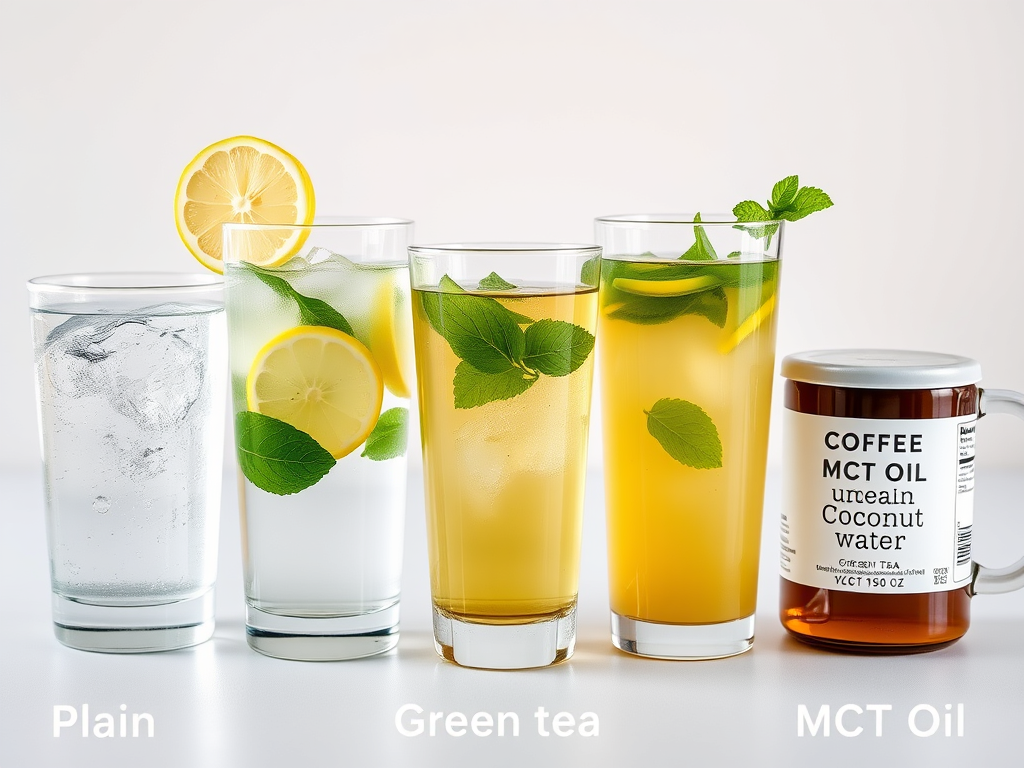
You don’t need to drink only water! These drinks won’t break your fast:
Water (plain or with lemon)
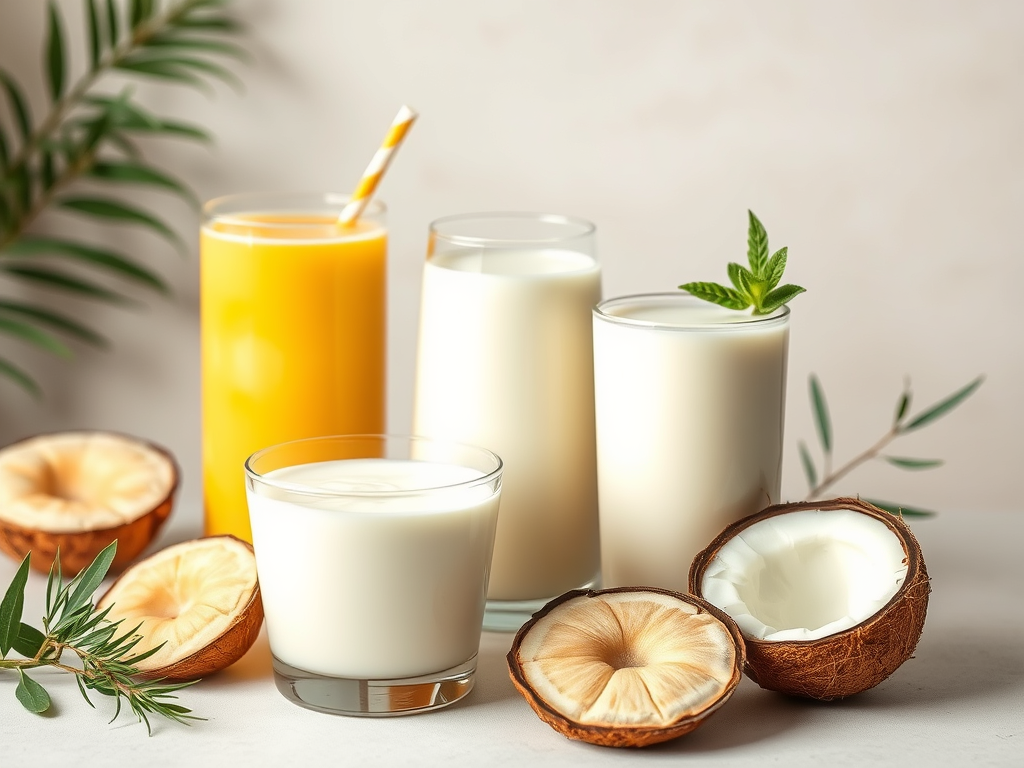
Coconut water (no sugar added)
Green tea
Apple cider vinegar (diluted in water)
Coffee with a little MCT or coconut oil

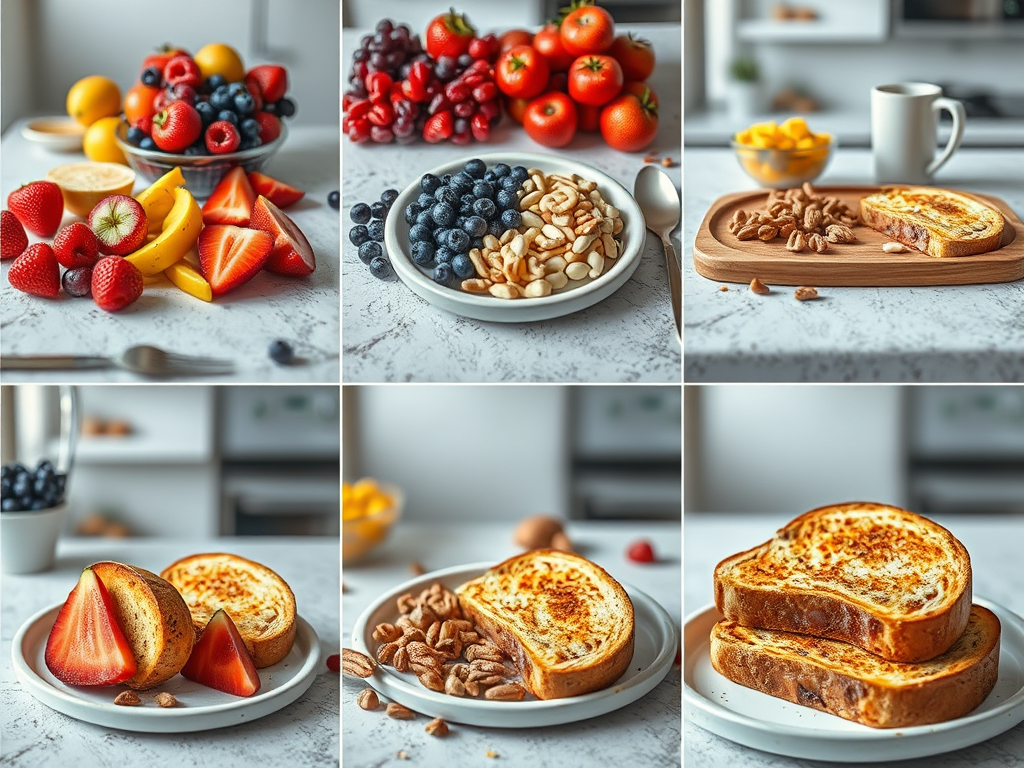
How to Break Your Fast Properly

When you’re ready to eat, start slow.
Good first foods:
Dates or honey
Fresh fruit

Then, add some healthy fats like:
Nuts
Whole-grain toast

This helps keep your blood sugar steady and stops you from feeling too hungry or tired afterward.

Boost Your Gut & Immunity

Yogurt and fermented drinks are great for your digestion and immune system.
Making buttermilk from yogurt is especially good.
If you don’t like dairy, try coconut milk or plant-based yogurts.

Key Takeaways

Try to eat when it fits your natural sleep schedule.
Fasting can help your brain and body stay healthy.
Drink healthy, calorie-free drinks during fasting.
Break your fast gently with light foods and healthy fats.
Take care of your gut with probiotics and plant-based options.

Final Thought

Eating mindfully and choosing the right times and foods can help you stay healthy and energized. At ShineDeeps, we encourage you to listen to your body and make smart choices every day.

How Not Taking Care of Your Body Can Hurt Your Organs and Make You Sick

We all know that eating healthy and staying active is good for us, but sometimes we forget how important it really is. When we don’t look after our bodies—by eating junk, not moving enough, smoking, or stressing out—we’re actually hurting our organs and making ourselves sick in the long run. Here’s a simple look at what can happen and why it’s so important to take care of yourself.

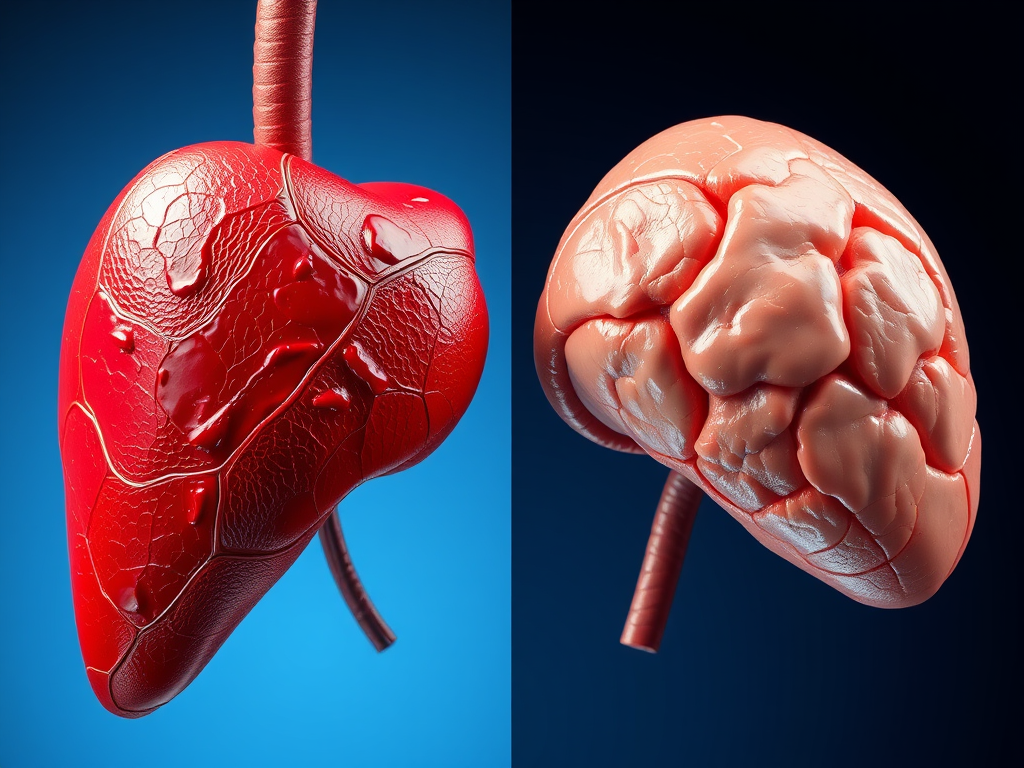
Your Liver: The Body’s Filter

What happens when you don’t care:
Your liver is like a filter that cleans toxins from your blood. If you drink too much alcohol or eat a lot of greasy, processed foods, it can get overwhelmed. Over time, this can cause fatty liver or even scar tissue, which isn’t good.

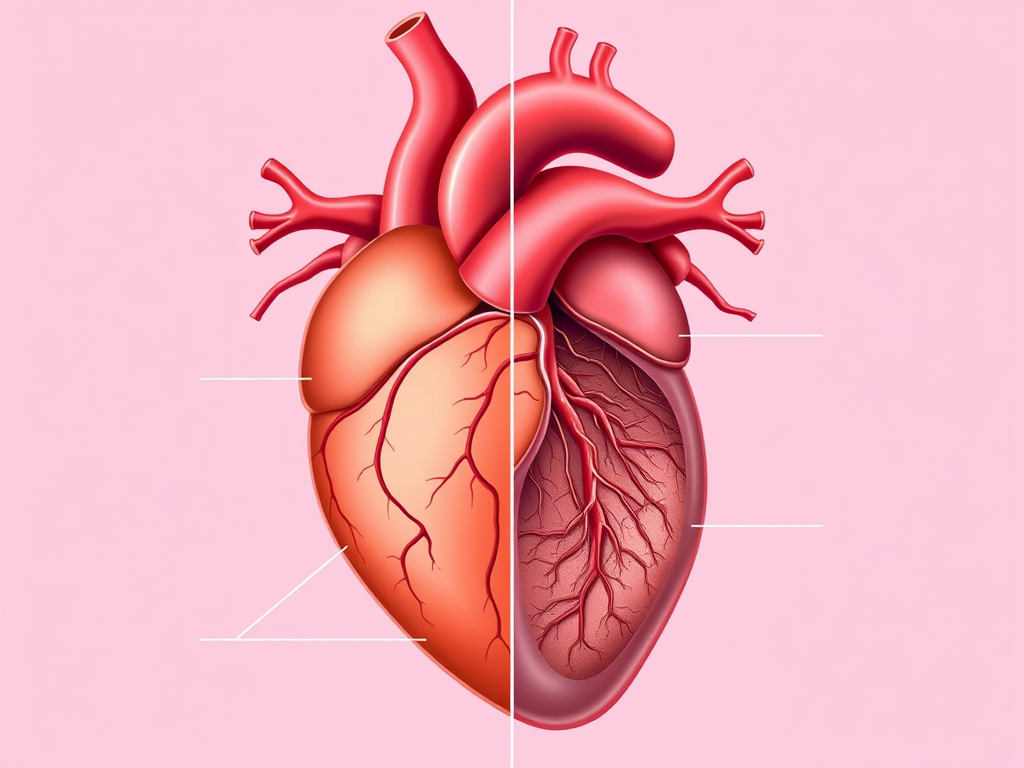
Your Heart: The Pump That Keeps You Going

What happens when you don’t care:
Eating too much junk food, not exercising, smoking, or being stressed all the time can cause your arteries to clog up. That makes your heart work harder and can lead to heart attacks or strokes.

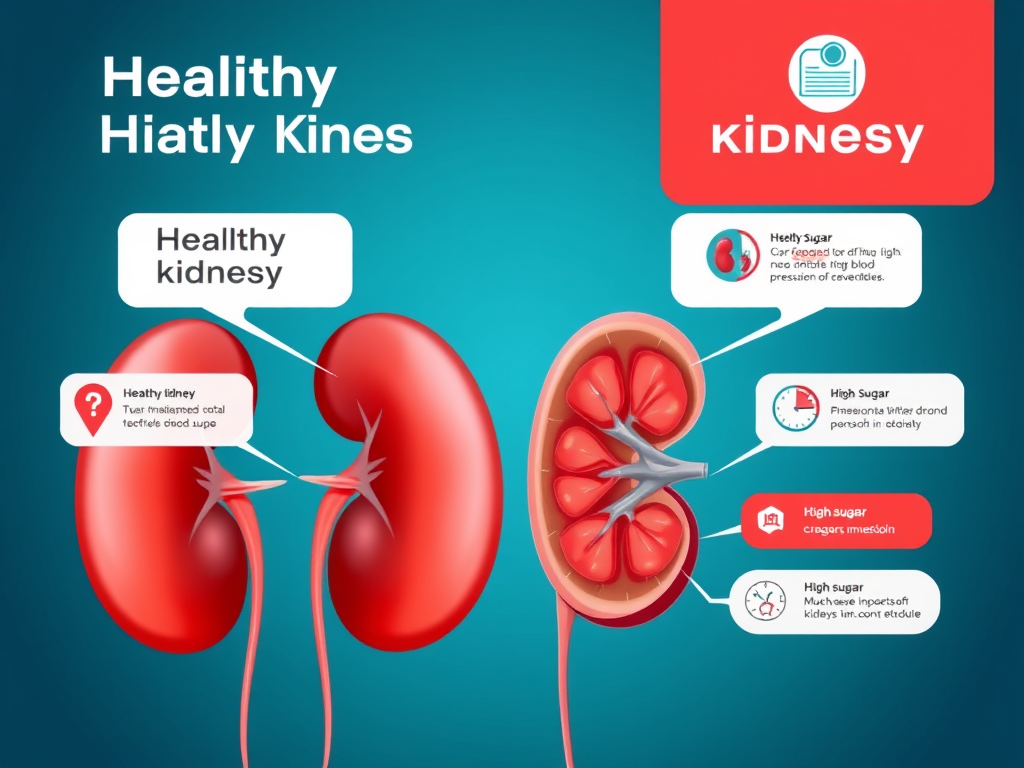
Your Kidneys: The Body’s Waste Machines

What happens when you don’t care:
High blood pressure and diabetes—often caused by unhealthy living—can damage your kidneys. If ignored, they might stop working properly, which can be dangerous.

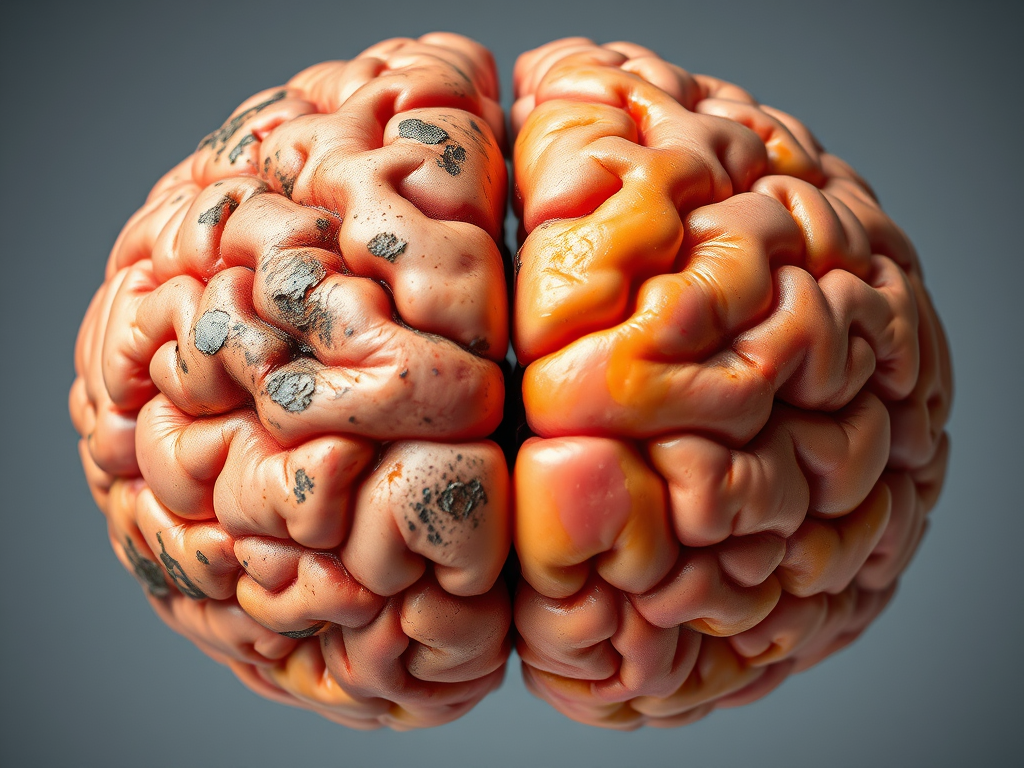
Your Brain: The Control Center

What happens when you don’t care:
Stress, not enough sleep, and eating poorly can affect your brain. Over time, this can lead to forgetfulness, depression, or even more serious problems like Alzheimer’s.

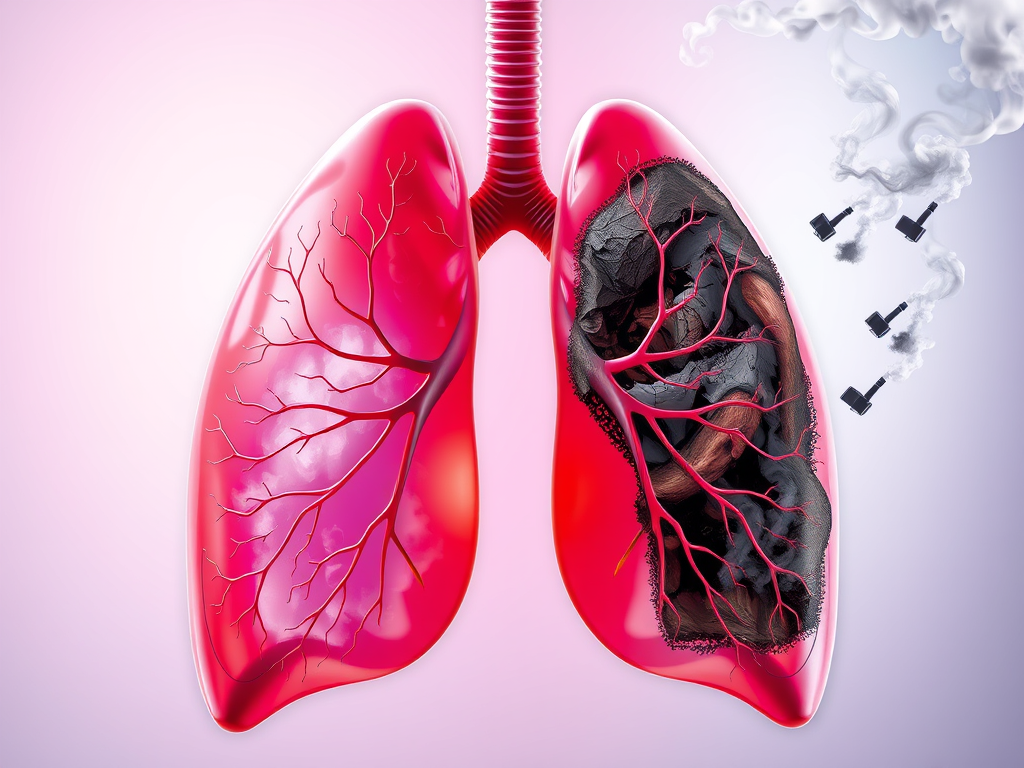
Lungs: Your Breath of Life

What happens when you don’t care:
Smoking, pollution, or neglecting respiratory health can cause lung problems, like coughing all the time or even lung cancer.

How to Keep Your Organs Happy

Eat good food:** Fruits, vegetables, lean meats, and whole grains.
Move your body:** Even a short walk every day helps.
Say no to smoking and limit alcohol:** Your body will thank you.
Relax and de-stress:** Take time for yourself.
See your doctor regularly:** Catch problems early.

Final Word

Your body is amazing, but it needs your help to stay healthy. Small changes now can stop big problems later. Take care of yourself—you’re worth it!

When You Care for Yourself, Every Part of Your Body Shines Bright!

At Shinedeeps, we believe that true wellness starts with small, caring actions we do every day. When we treat our bodies well—by eating good food, resting enough, moving a little, and relaxing—we help all our organs work their best. And when our organs are healthy, we feel happier, more energized, and look brighter inside and out!

Let’s explore how taking care of yourself helps each part of your body stay healthy and happy:

your brain

Think clearly and feel good!
Your brain is like the boss of your body. When you drink plenty of water, get enough sleep, and eat foods rich in antioxidants like berries, nuts, and seeds, your brain stays sharp and happy. Good self-care also helps keep your mood balanced and your memory strong.

Tip: Try to avoid too much screen time and give yourself time to relax and think positive thoughts.

YOUR heart

keep your heart strong and your energy high!

Keep your heart strong and your energy high!
Your heart is what keeps blood flowing and your body alive. Moving your body regularly—like walking, dancing, or playing—helps your heart stay healthy. Eating plenty of fruits, vegetables, and healthy fats (like avocados and nuts) supports your heart too. When your heart is healthy, you feel more energetic and happy.

Tip: Find fun ways to move daily-like dancing to your favourite song!

YOUR lungs

Breathe easy and feel refreshed!
Your lungs help you breathe in fresh air and get oxygen to your body. Spend time outside in nature, practice deep breathing, and avoid areas with pollution or cigarette smoke. These habits keep your lungs strong and help you breathe comfortably.

your liver & kidneys

Help your body detox naturally!
Your liver and kidneys work hard to clean out toxins and keep you healthy. Drinking plenty of water, eating light and nutritious foods, and limiting junk food and sugary drinks support these organs. When they are happy, you feel more energized and less sluggish.

Tip: Make water your main drink and choose whole, natural foods.

Tip:* *Drink plenty of water and eat fresh, natural foods to help your body detox naturally.

your belly & digestion

Feel good from the inside!
Your stomach and intestines digest your food and give you energy. Eating foods rich in fiber—like fruits, vegetables, oats, and whole grains—helps keep everything moving smoothly. A healthy gut makes you feel comfortable and boosts your immunity.

Tip: Have a colorful plate with lots of fruits and vegetables daily.

the big picture:

When you take care of each part of your body, everything works better! You’ll notice you have more energy, your mood improves, and your skin shines brighter. Small daily habits—like drinking water, eating healthy, moving your body, and resting well—add up to a healthier, happier you.

Remember: Self-care isn’t complicated. Just start with one small step today, and keep building from there. Your body will thank you, and you’ll feel the difference every day!

Aisha’s Journey: Embracing Health Through Faith

In a vibrant community nestled between the hills, there lived a woman named Aisha. She was in her early thirties, a devoted wife and mother of two beautiful children. Aisha was a practicing Muslim who cherished her faith and strived to live by the principles of Islam. However, over the years, she had struggled with her weight and health. Busy with work and family, she often turned to convenient, unhealthy foods, ignoring the importance of pure and halal nourishment.

Aisha knew that Islam encourages believers to consume pure and halal food. The Quran emphasizes the significance of eating wholesome and beneficial foods, as stated in Surah Al-Baqarah (2:172): “O you who have believed, eat from the good things which We have provided for you.” Yet, in her busy life, Aisha found it challenging to prioritize her health, often opting for fast food or sugary snacks that were quick and easy.

One evening, while preparing dinner, Aisha reflected on her health and well-being. She wanted to be a good role model for her children and live a life full of energy and happiness. She realized that she needed to take better care of herself, not just for her sake but also for her family. Inspired by her faith, Aisha decided it was time to educate herself about nutrition and make healthier choices aligned with Islamic principles.

The next day, Aisha began her journey by researching halal foods and learning about the benefits of a balanced diet. She discovered that incorporating more fresh fruits, vegetables, whole grains, and lean proteins into her meals would nourish her body and align with her faith. She also learned about the importance of avoiding processed foods and artificial additives, which could harm her health. Aisha spent hours reading articles and watching videos on healthy cooking and meal planning, feeling empowered by the knowledge she gained.

With newfound determination, Aisha started making changes in her kitchen. She replaced sugary snacks with fresh fruits and nuts, and she began cooking meals from scratch using wholesome ingredients. Instead of ordering takeout, she prepared delicious halal dishes for her family, infusing her meals with love and care. She involved her children in the cooking process, teaching them about healthy eating and the importance of consuming halal food. Together, they made colorful salads and hearty stews, enjoying the process of creating meals as a family.

As the weeks went by, Aisha felt a remarkable change in her energy levels and mood. She started exercising regularly, incorporating activities like walking and yoga into her routine. Each morning, she would wake up early to pray Fajr, feeling grateful for the strength and guidance her faith provided. Aisha found that her prayers motivated her to make healthier choices and stay committed to her goals.

One day, while attending a community event, Aisha met a group of women who shared her passion for healthy living. They discussed their journeys toward better health and exchanged tips on nutritious recipes. Inspired by their stories, Aisha decided to join a local health and wellness group where they focused on halal eating and fitness. The support she received from this community was uplifting, and she felt a sense of belonging as they all encouraged one another.

As Ramadan approached, Aisha saw it as an opportunity to deepen her commitment to health and spirituality. She planned her meals carefully, ensuring they were nutritious and halal. During iftar, she focused on breaking her fast with wholesome foods, such as dates, water, and fresh salads. She also encouraged her family to join her in this new approach, sharing the benefits of eating healthily during the holy month.

Aisha found that fasting not only helped her spiritually but also allowed her to appreciate the food she consumed. She felt more mindful about her eating habits, savoring each bite and giving thanks for the blessings in her life. The combination of her faith, healthy eating, and exercise helped her shed pounds gradually, but more importantly, it uplifted her spirit and brought her closer to Allah.

As the months went by, Aisha’s transformation inspired her family and friends. They began to notice her energy, confidence, and positive outlook on life. Aisha’s children embraced the idea of eating healthy and began to help her in the kitchen, making nutritious meals together. She felt proud to be a role model for them, teaching them about the importance of making halal choices and taking care of their bodies.

Aisha realized that her journey was not just about losing weight but about embracing a healthier lifestyle rooted in her Islamic values. She learned that taking care of her body was an act of worship, as the Prophet Muhammad (peace be upon him) taught that “Your body has a right over you.” By prioritizing her health, she was honoring the gift of life that Allah had bestowed upon her.

Conclusion

Aisha’s journey shows us that embracing health through faith is a powerful and transformative experience. By educating herself about halal nutrition and making mindful choices, she reclaimed her health and happiness. At Shinedeeps, we believe that everyone can embark on their own journey to wellness, guided by faith and knowledge. Remember, every small step counts, and with determination and support, you can inspire others to join you on the path to a healthier, happier life.

Cultivating wellness: Your Easy Guide to a Healthier Life

in today’s busy world, it can be hard to keep up with our health. But taking care of ourselves is super important!

This blog is here to help you understand how to feel better in your body and mind. We’ll explore simple tips backed by science that can make a real difference in your life. Let’s get started on this journey to better health together!

The Basic of physical Health

Taking care of your body is the first step to feeling good. This chapter will talk about exercise, eating well, and getting enough sleep.

Moving your body is essential! Studies show that regular exercise can help reduce feelings of anxiety and depression. Aim for at least 150 minutes of moderate activity a week. This could be as simple as taking a brisk walk, dancing to your favorite songs, or biking around the neighborhood. For example, you might set a goal of walking for 30 minutes three times a week or doing some light strength training exercises at home.

Nutrition

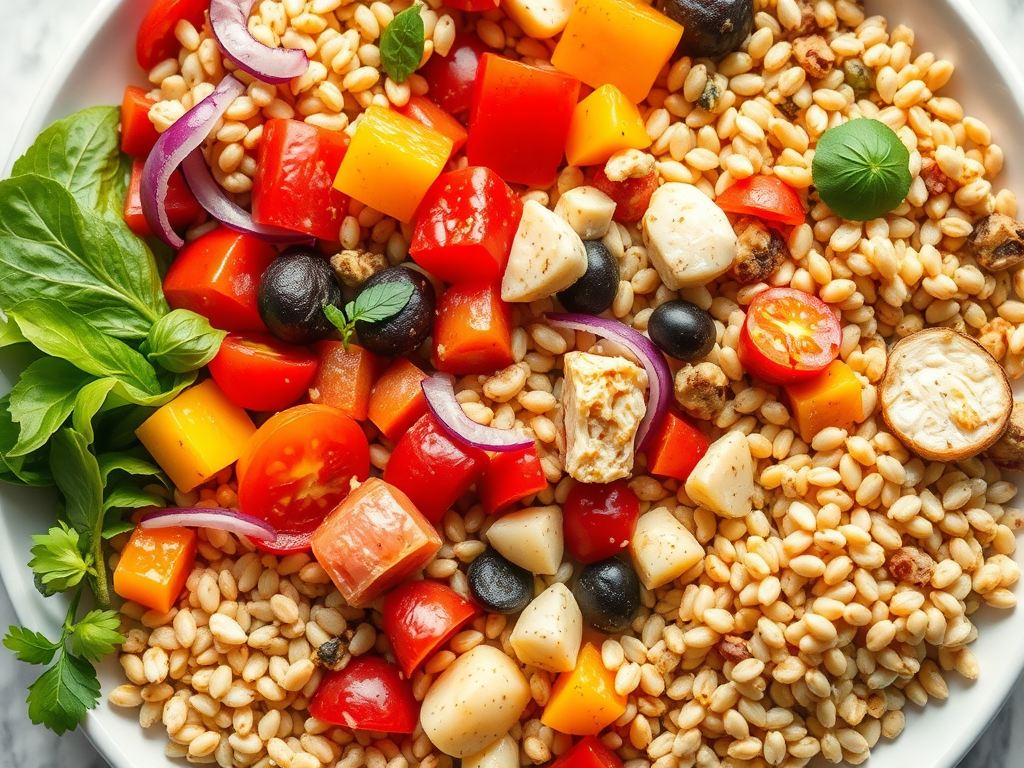
What we eat has a big impact on how we feel. The Mediterranean diet—rich in fruits, vegetables, whole grains, and healthy fats—can help keep our hearts and minds healthy. Try to fill your plate with colorful foods. A simple recipe could be a quinoa salad with cherry tomatoes, cucumbers, and a splash of olive oil. It’s tasty and good for you!

Sleep

Getting enough quality sleep is crucial for feeling your best. Aim for 7-9 hours each night. You can improve your sleep by sticking to a bedtime routine, like reading a book or taking a warm bath before bed. Avoid screens at least an hour before sleeping to help you wind down.

Mental Wellness: Taking Care of Your Mind

Just like your body, your mind needs care too! This chapter will share easy ways to boost your mental health.

Journaling:

A close-up shot of an open journal with handwritten notes and a pen. This could be set on a cozy table with a cup of tea nearby, symbolizing the reflective and personal nature of journaling.

Talk to Someone

If you’re feeling down or overwhelmed, don’t hesitate to reach out for help. Talking to a friend, family member, or professional can make a big difference.

Nutrition: Eating for Better Health

Food is fuel for our bodies and minds. This chapter will show how to make better choices when it comes to eating.

Whole foods vs. Processed Foods

Eating more whole foods, like fruits, vegetables, and whole grains, can help you feel better. Try to limit processed foods, which often contain unhealthy sugars and fats. When you’re at the grocery store, stick to the outer aisles where fresh foods are usually found.

Super Foods

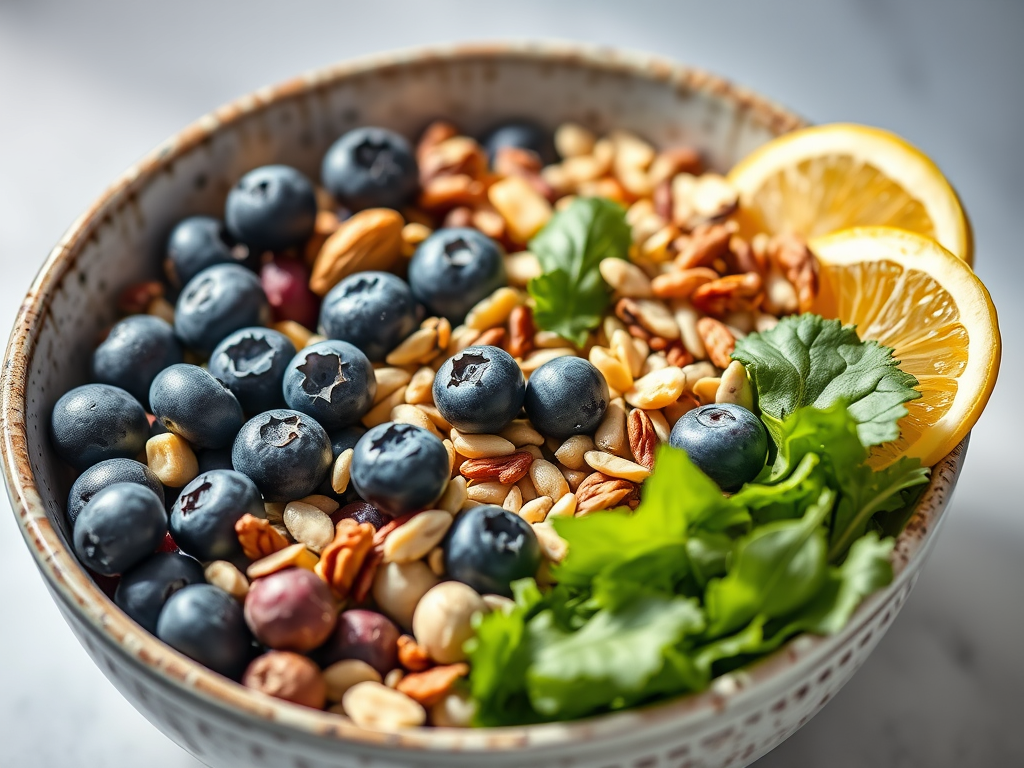
Some foods are especially good for you. For example, blueberries are full of antioxidants that can help your brain function. Consider adding them to your breakfast yogurt or smoothie for a tasty boost.

Simple Recipes

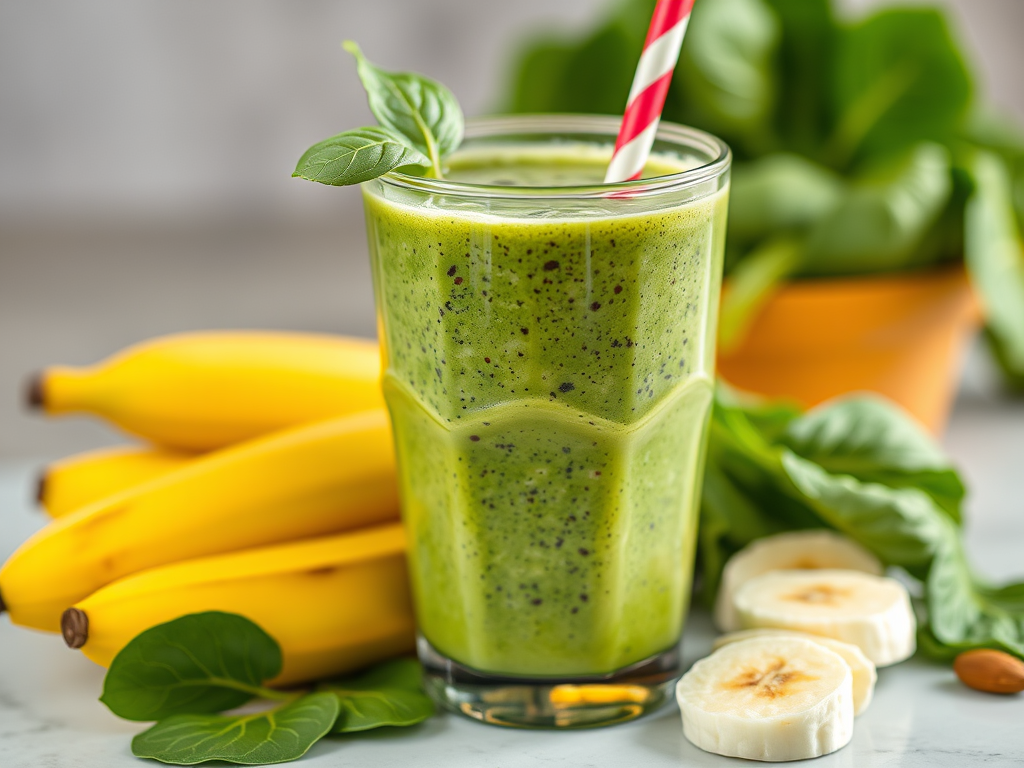
A quick and healthy breakfast idea is a smoothie made with spinach, banana, almond milk, and a scoop of peanut butter. It’s delicious and packed with nutrients to start your day right

The Importance of Relationship

Having strong connections with others is key to feeling happy and supported. This chapter will discuss how to build and maintain healthy relationships.

Stay Connected

Studies show that people with strong friendships live longer and happier lives. Make time for your friends and family. Whether it’s a weekly coffee date or a phone call, staying connected is important.

Improve Communication

A heartwarming photo of a group of friends enjoying a picnic or outdoor gathering. This should represent the joy of friendship and community, showing people laughing and having fun together.

Volunteer

Helping others is a great way to feel connected and fulfilled. Look for local volunteer opportunities where you can meet new people and make a difference in your community.

Holistic Practices for Overall Wellbeing

This chapter will explore ways to take care of your whole self-body mind, and spirit.

Yoga and Tai Chi

Both of these practices can help reduce stress and improve flexibility. You can find online classes or apps to guide you through beginner sessions. Just a few minutes each day can make a big difference!

Alternative Therapies

Acupuncture and other holistic practices can help with stress relief and pain management. If you’re curious, do some research and find licensed practitioners in your area.

Self-care Rituals

Providing examples of self-care practices, such as taking a relaxing bath, engaging in creative hobbies, or spending time in nature, can inspire readers to prioritize their well-being.

Your Journey to Wellness

Remember, improving your health is a journey, not a race. It’s about making small, positive changes that add up over time. Take a moment to think about your health goals and what steps you can take today. Share your experiences in the comments below—let’s support each other on this path to wellness!