

If you’ve ever tried to lose fat and felt stuck, you’re not alone. One small but powerful idea can make a big difference: insulin. This little hormone decides when your body stores fat and when it burns fat. The good news? A few easy, science-backed habits in the morning can nudge insulin in the right direction—without crazy diets or extreme workouts.
In plain terms, this guide breaks down the why, the what, and the how in simple, actionable language. Plus, you’ll find easy visuals you can imagine or recreate to help you see the ideas clearly.
Section 1 : What insulin does in your body (in everyday language)
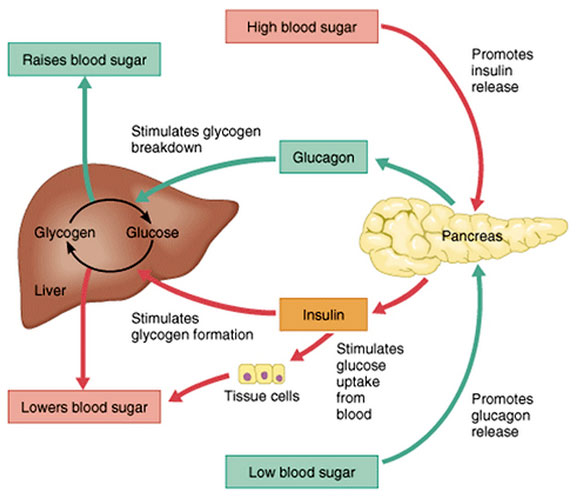
Think of insulin as a door man for your cells. After you eat, especially foods rich in carbohydrates, insulin opens doors so glucose (sugar) can get inside your cells to be used for energy.
In fat tissue, high insulin tells your body to store fat and slows down fat burning. When insulin levels are lower, fat becomes a more willing energy source.
Takeaway : If you can keep insulin from spiking too high too often, your body spends more time burning fat and less time storing it.

Section 2: The dawn phenomenon and morning insulin resistance (what happens when you wake up)
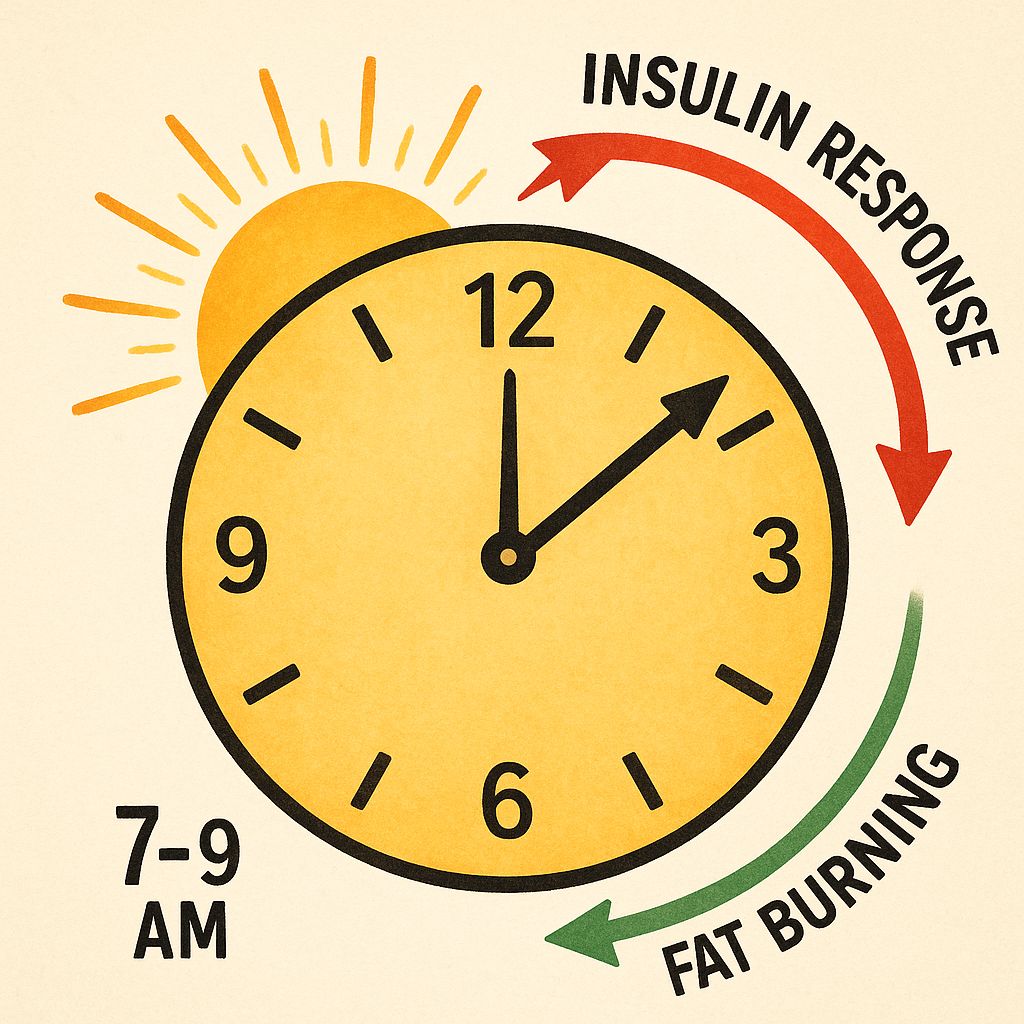
In the morning, your body goes through hormonal changes (like a mini wake-up call from sleep). This can temporarily raise glucose production in the liver and slightly lower insulin sensitivity for some people.
The result: your first meals can trigger a bigger insulin response than later in the day, making it a bit easier to store fat if you’re not careful.
Practical upshot: the morning window is “ sensitively insulin-fast” for many people. Small changes now can set a calmer metabolic tone for the rest of the day.
Section 3: The insulin trick—practical, step-by-step (simple, everyday actions)
Goal: Reduce morning insulin surges and encourage gradual fat burning, without extreme diets.
1) Sleep well and stay in rhythm
Aim for about 7–9 hours of sleep.
Try to wake up and go to bed at roughly the same times every day.
Dim lights in the evening and avoid screens that blast you with blue light.
2) Think about when you eat
Time-restricted eating (TRE) can help. A common approach is an eating window of 8–10 hours.
Example TRE windows: 10:00–18:00 or 12:00–20:00.
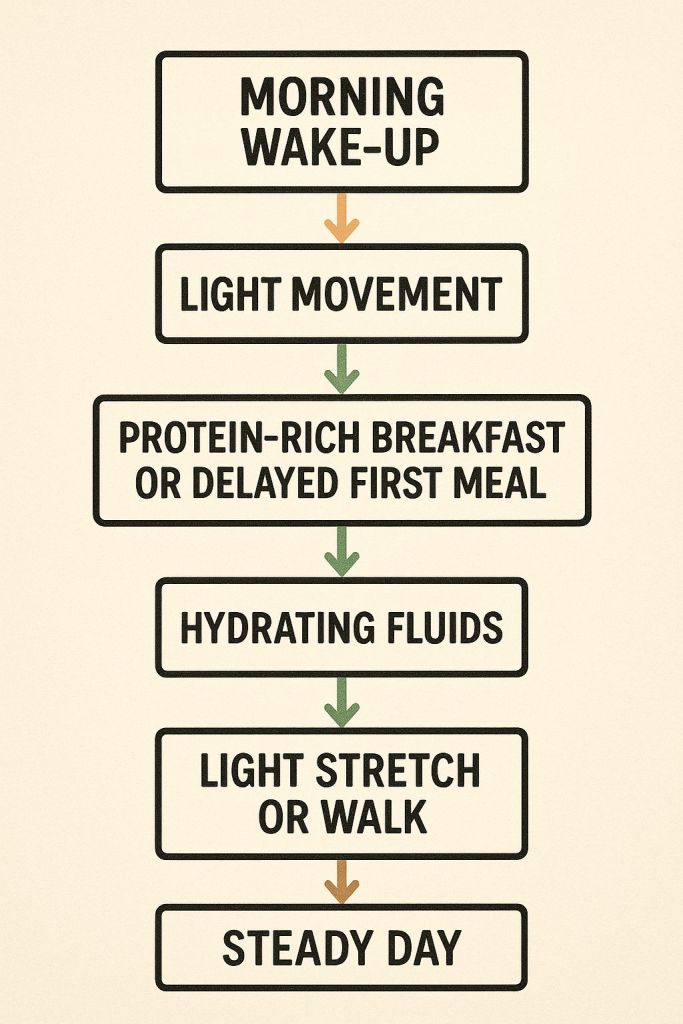
If you prefer traditional meals, try delaying your first meal in the morning to extend your overnight fast.
3) Breakfast choices (if you eat in the morning)
If you break the fast, choose something high in protein and fiber with a little healthy fat.
Examples:
Eggs with vegetables and avocado.
Greek yogurt with berries, chia seeds, and a handful of nuts.
Keep it lower in simple sugars and aim for steady, moderate energy.
4) Move a little after waking
A short walk, easy bike ride, or a light resistance workout after waking or after your first meal helps improve insulin sensitivity for the day.
5) Carbs and quality matter
Don’t fear carbs, but choose high-fiber, unprocessed sources most of the time (vegetables, legumes, whole grains).
Try to spread carbohydrates across meals rather than piling them all into one early meal.
6) Hydration and electrolytes
Start with water in the morning. If you’re fasting for hours, you can add a pinch of salt or an electrolyte drink to stay balanced.
7) Manage stress and cortisol
Stress and poor sleep raise cortisol, which can drive appetite and cravings.
Simple stress-busters: 5-minute breathing breaks, a short walk, or a few minutes of stretching.
8) Track, adjust, and personalize
Notice how you feel: hunger, energy, sleep, mood.
Small tweaks over time beat big, sudden changes. If you have diabetes or a medical condition, check with a healthcare professional before changing medications or routines.
Section 4: The cortisol connection—stress, sleep, and appetite
Cortisol rises with stress and pace of life. Too much cortisol can increase appetite and cravings and disrupt sleep.
How to keep cortisol in check:
Prioritize good sleep every night.
Build short, relaxing routines (breathing, short walks, gentle stretching).
Create a reasonable evening routine to reduce late-night screen time and heavy meals.
Section 5: Bringing it all together—your simple, friendly plan
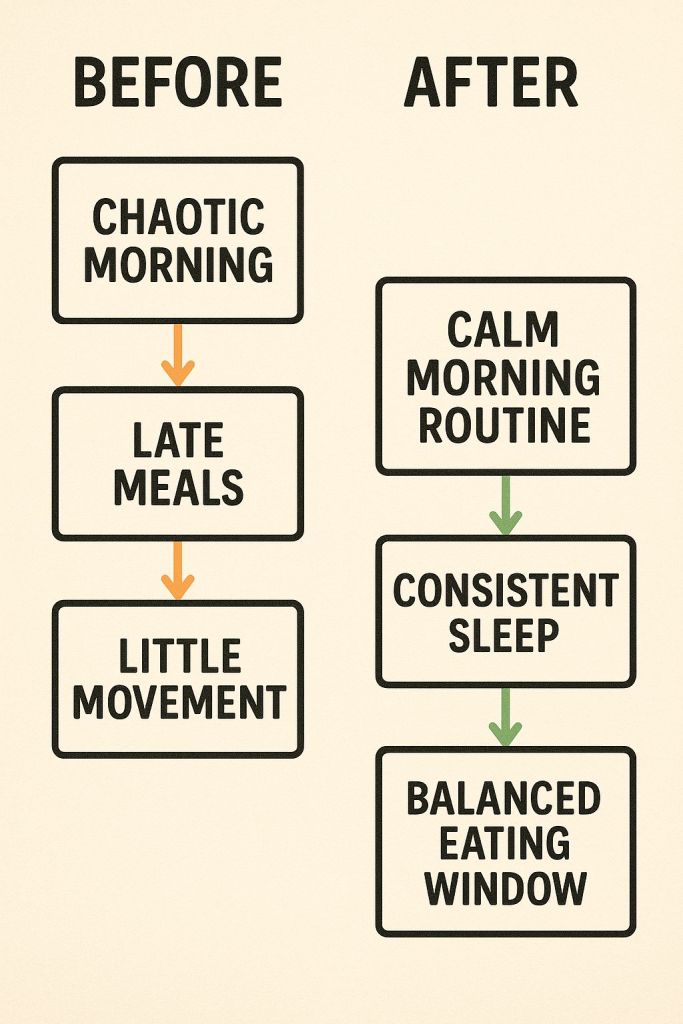
Core idea: the morning window matters. By aligning sleep, meal timing, and gentle movement, you give your body a steady path toward fat burning.
The practical takeaway:
Sleep consistently and aim for 7–9 hours.
Choose a reasonable eating window or delay your first meal to extend the overnight fast.
If you eat in the morning, pick protein-forward meals with fiber and healthy fats.
Move daily in light to moderate ways, especially after waking or meals.
Prioritize hydration, smart carb choices, and stress management.
Section 6: Want a personalized starter plan?
A note: If you’d like, I can tailor a 1–2 week starter plan to your schedule and preferences. Share:
Your typical wake time, work schedule, and preferred eating window.
Any dietary preferences (vegetarian, dairy-free, etc.) or medical considerations.
Your current activity level and sleep habits.
I’ll craft:
A simple daily timetable with meal ideas and suggested portions.
A light workout plan you can do at home or near work.
A quick weekly check-in to track progress and tweak as needed.
Closing thoughts
The power of this approach isn’t in drastic changes but in small, sustainable shifts that fit into real life. By understanding insulin’s role and the morning insulin sensitivity window, you can make choices that support fat loss and energy without feeling deprived.
Remember: everyone’s body is different. If you have a medical condition like diabetes or are on medications that affect insulin or cortisol, talk with a healthcare professional before making big changes.
 shinedeeps.com