

in today’s busy world, it can be hard to keep up with our health. But taking care of ourselves is super important!
This blog is here to help you understand how to feel better in your body and mind. We’ll explore simple tips backed by science that can make a real difference in your life. Let’s get started on this journey to better health together!

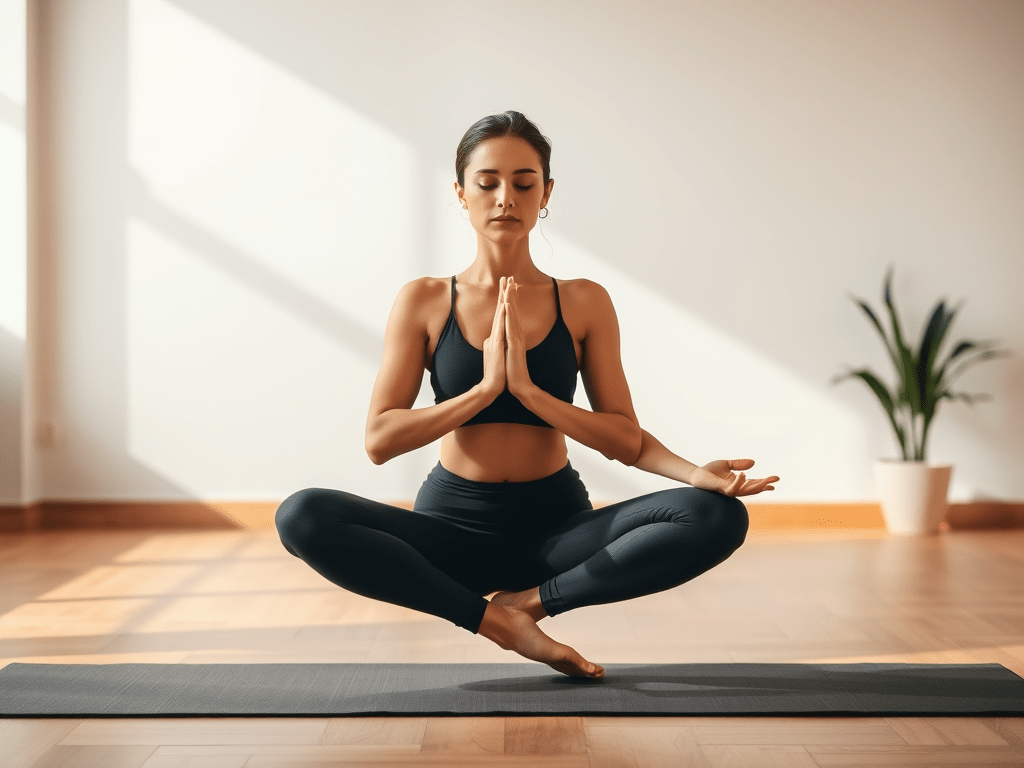
The Basic of physical Health
Taking care of your body is the first step to feeling good. This chapter will talk about exercise, eating well, and getting enough sleep.
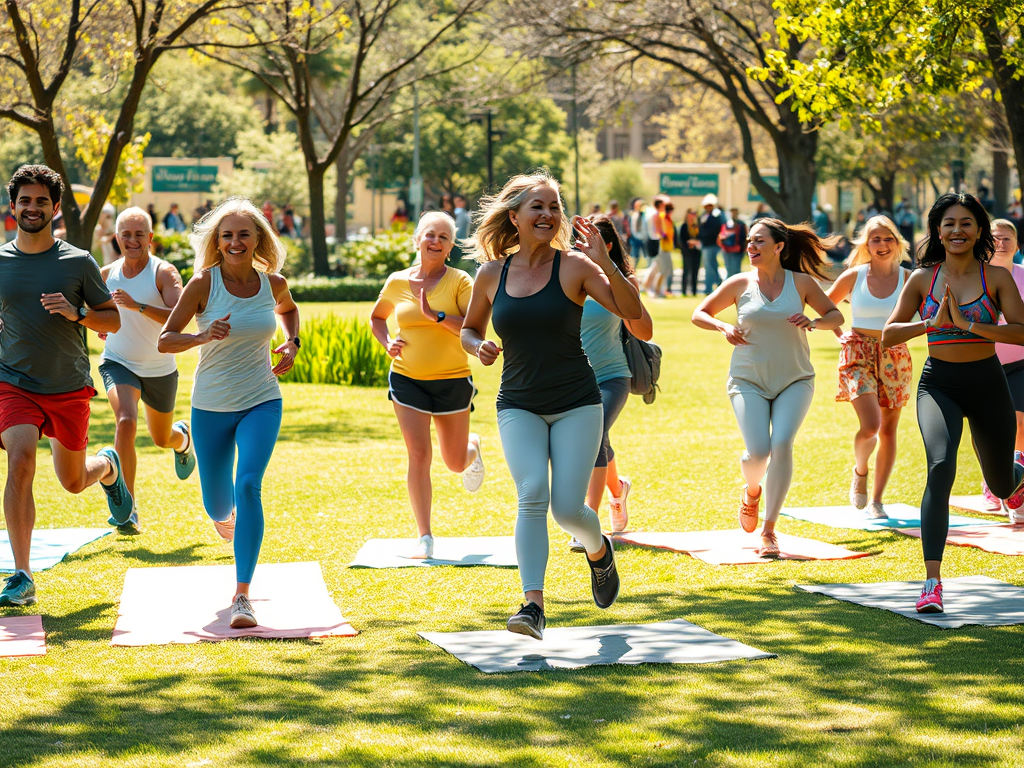
Moving your body is essential! Studies show that regular exercise can help reduce feelings of anxiety and depression. Aim for at least 150 minutes of moderate activity a week. This could be as simple as taking a brisk walk, dancing to your favorite songs, or biking around the neighborhood. For example, you might set a goal of walking for 30 minutes three times a week or doing some light strength training exercises at home.
Nutrition
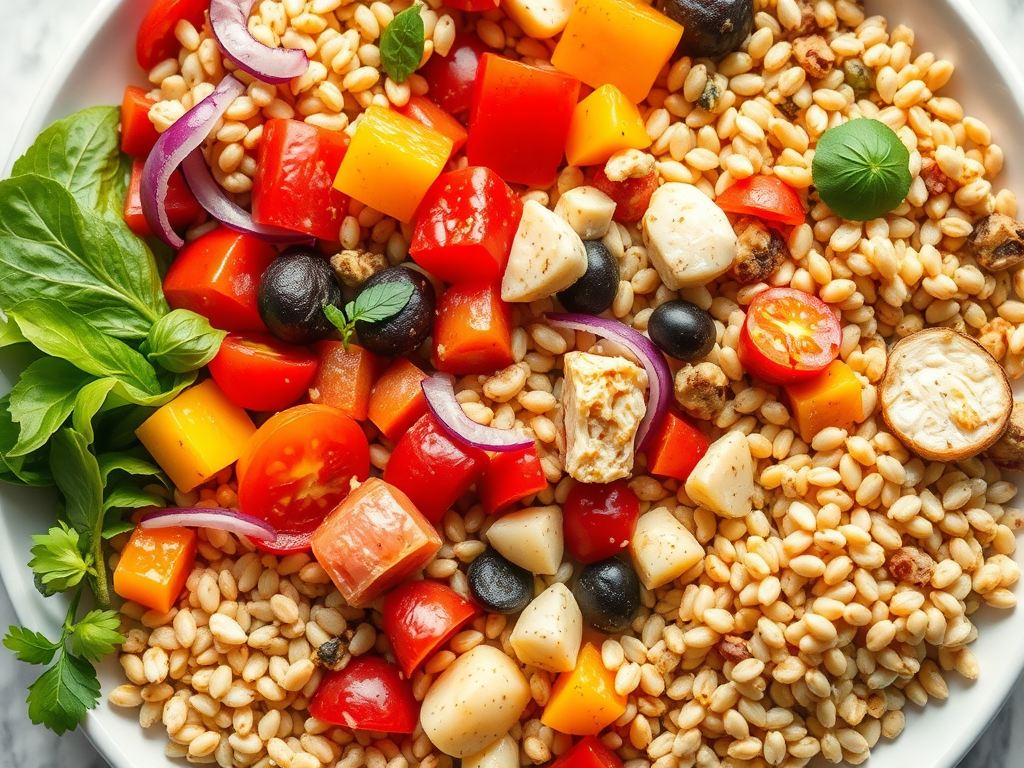
What we eat has a big impact on how we feel. The Mediterranean diet—rich in fruits, vegetables, whole grains, and healthy fats—can help keep our hearts and minds healthy. Try to fill your plate with colorful foods. A simple recipe could be a quinoa salad with cherry tomatoes, cucumbers, and a splash of olive oil. It’s tasty and good for you!
Sleep
Getting enough quality sleep is crucial for feeling your best. Aim for 7-9 hours each night. You can improve your sleep by sticking to a bedtime routine, like reading a book or taking a warm bath before bed. Avoid screens at least an hour before sleeping to help you wind down.

Mental Wellness: Taking Care of Your Mind
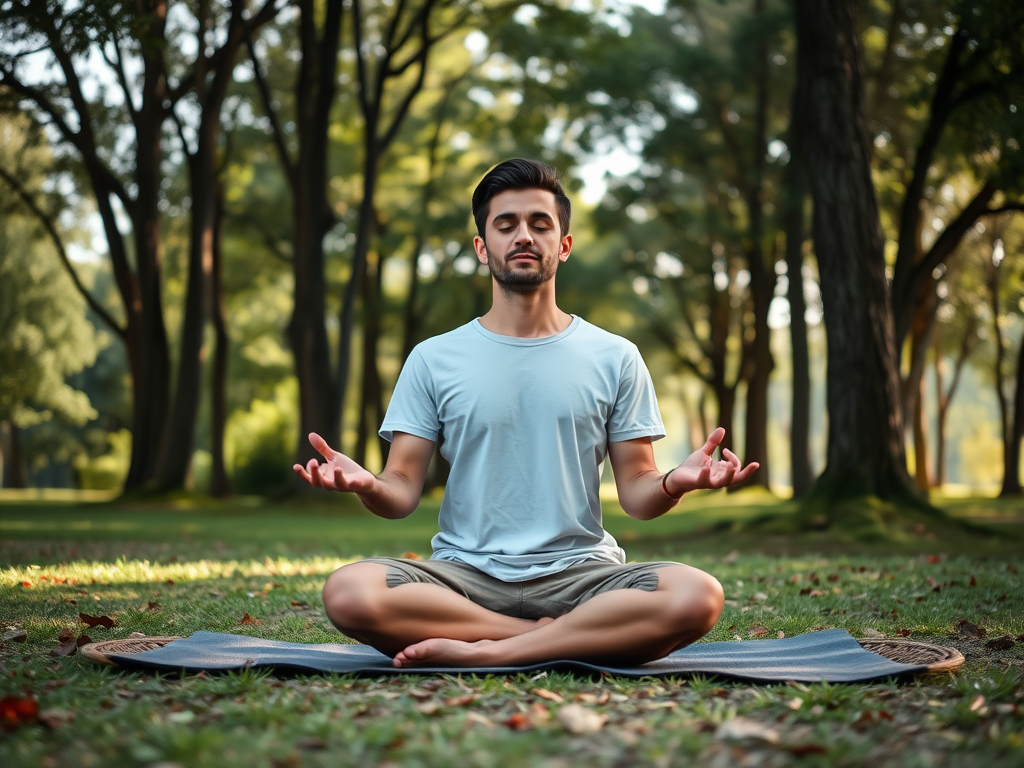
Just like your body, your mind needs care too! This chapter will share easy ways to boost your mental health.
Journaling:
A close-up shot of an open journal with handwritten notes and a pen. This could be set on a cozy table with a cup of tea nearby, symbolizing the reflective and personal nature of journaling.

Talk to Someone
If you’re feeling down or overwhelmed, don’t hesitate to reach out for help. Talking to a friend, family member, or professional can make a big difference.
Nutrition: Eating for Better Health
Food is fuel for our bodies and minds. This chapter will show how to make better choices when it comes to eating.
Whole foods vs. Processed Foods
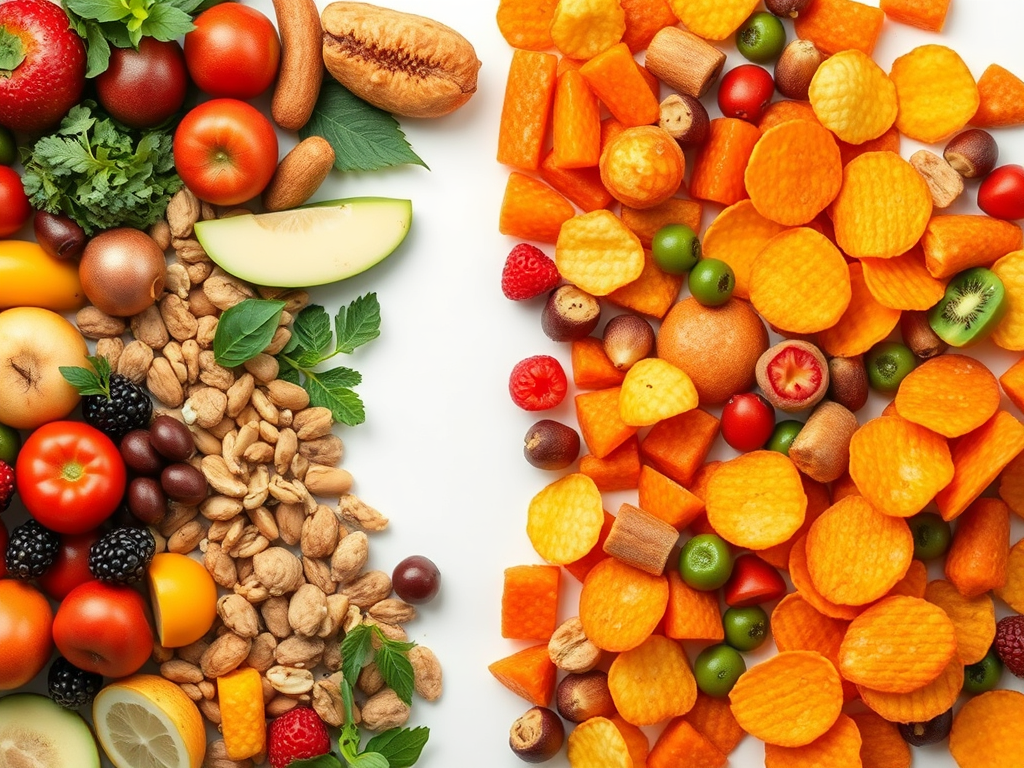
Eating more whole foods, like fruits, vegetables, and whole grains, can help you feel better. Try to limit processed foods, which often contain unhealthy sugars and fats. When you’re at the grocery store, stick to the outer aisles where fresh foods are usually found.
Super Foods
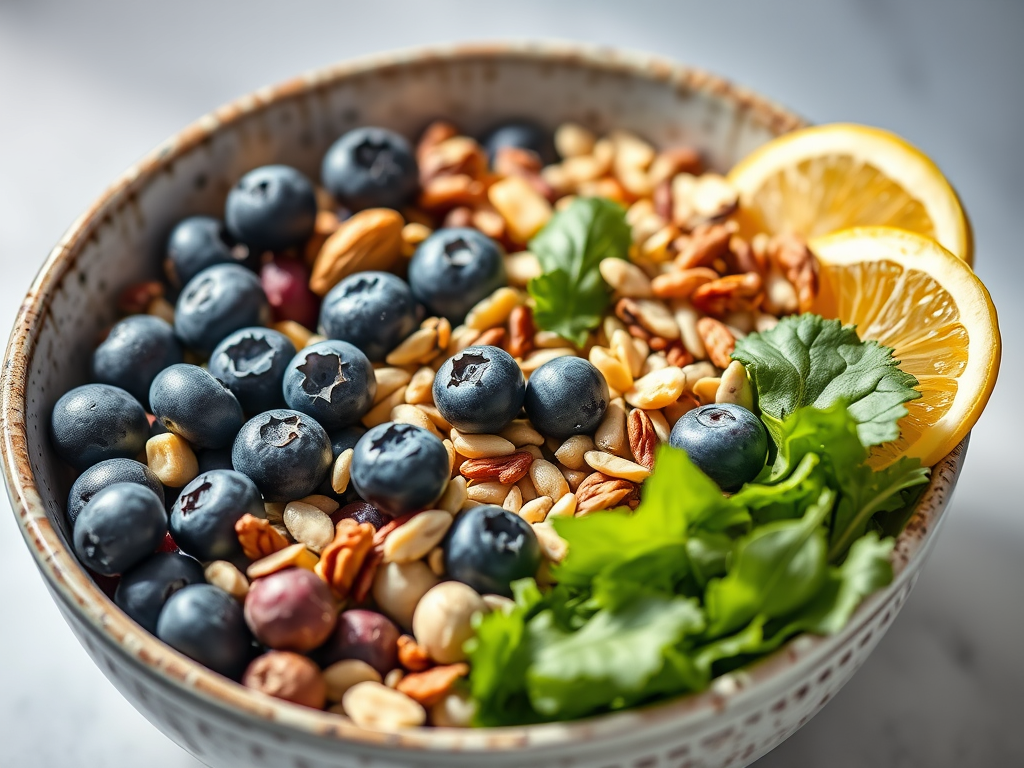
Some foods are especially good for you. For example, blueberries are full of antioxidants that can help your brain function. Consider adding them to your breakfast yogurt or smoothie for a tasty boost.
Simple Recipes
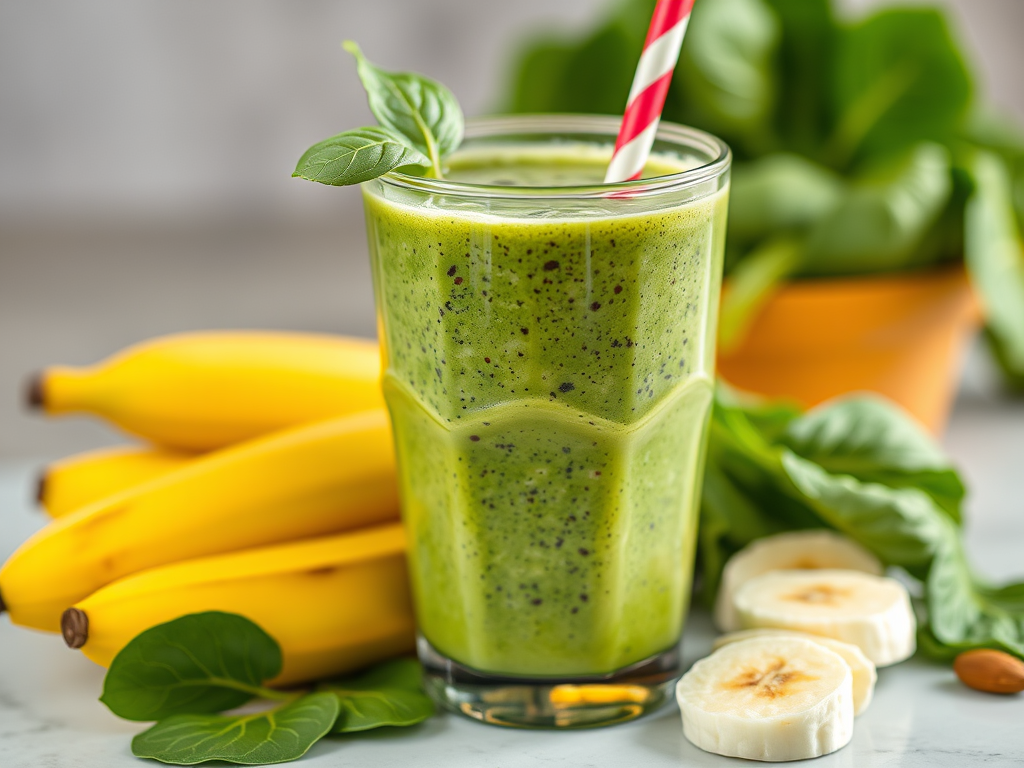
A quick and healthy breakfast idea is a smoothie made with spinach, banana, almond milk, and a scoop of peanut butter. It’s delicious and packed with nutrients to start your day right
The Importance of Relationship
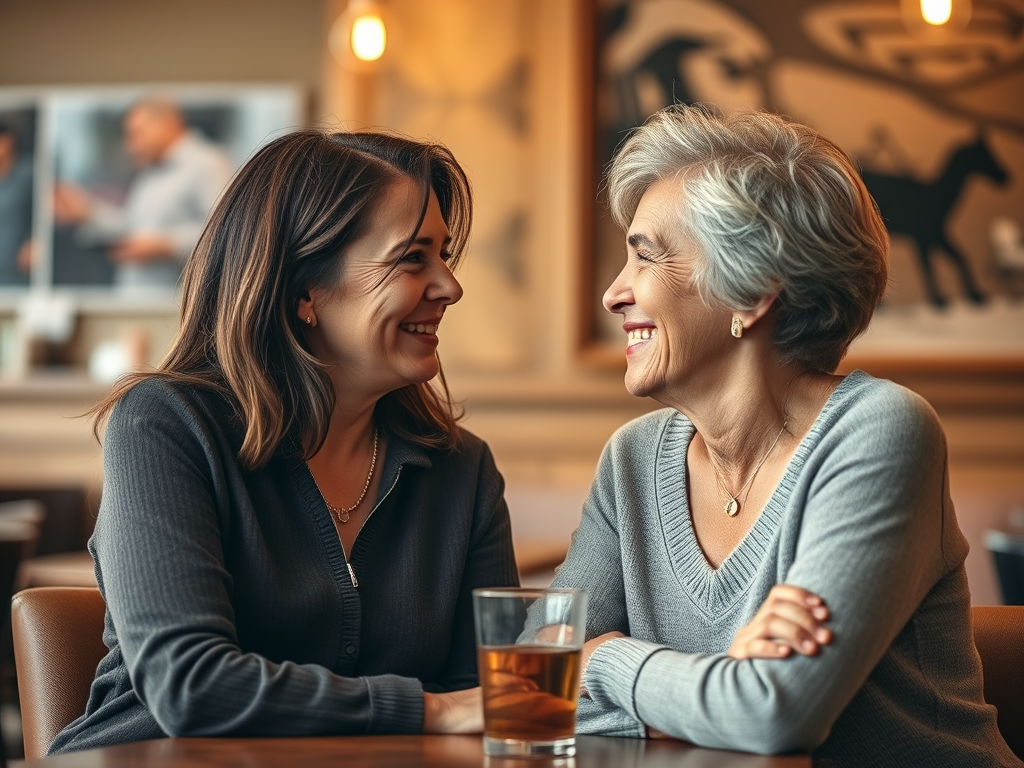
Having strong connections with others is key to feeling happy and supported. This chapter will discuss how to build and maintain healthy relationships.
Stay Connected
Studies show that people with strong friendships live longer and happier lives. Make time for your friends and family. Whether it’s a weekly coffee date or a phone call, staying connected is important.
Improve Communication
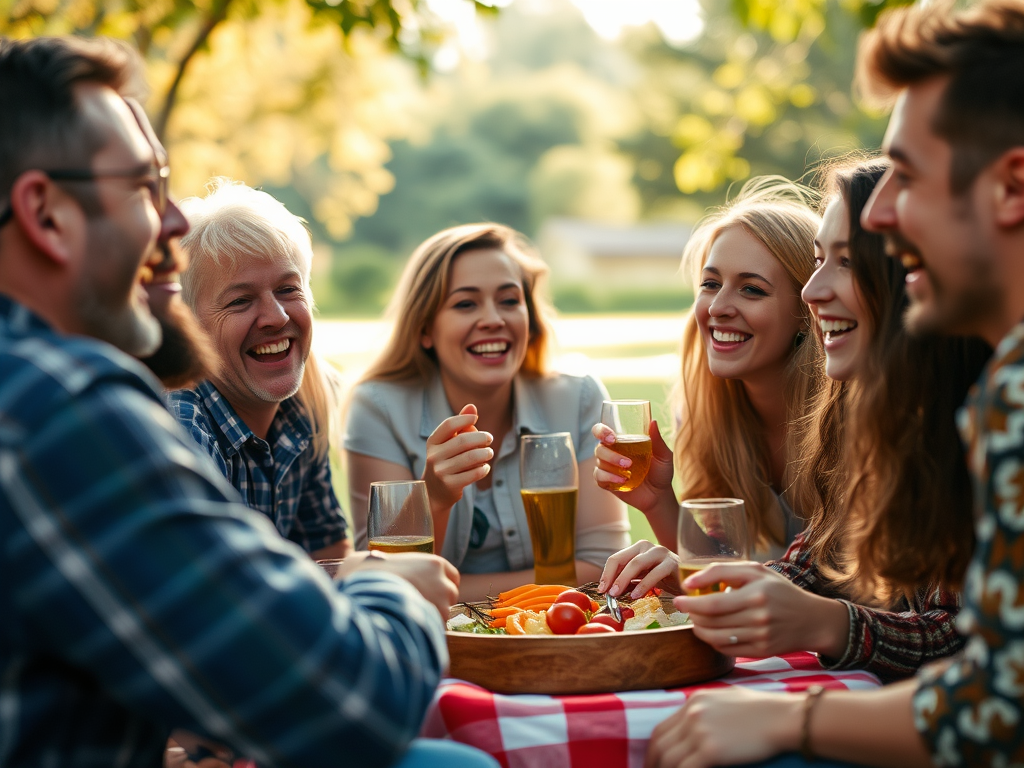
A heartwarming photo of a group of friends enjoying a picnic or outdoor gathering. This should represent the joy of friendship and community, showing people laughing and having fun together.

Volunteer
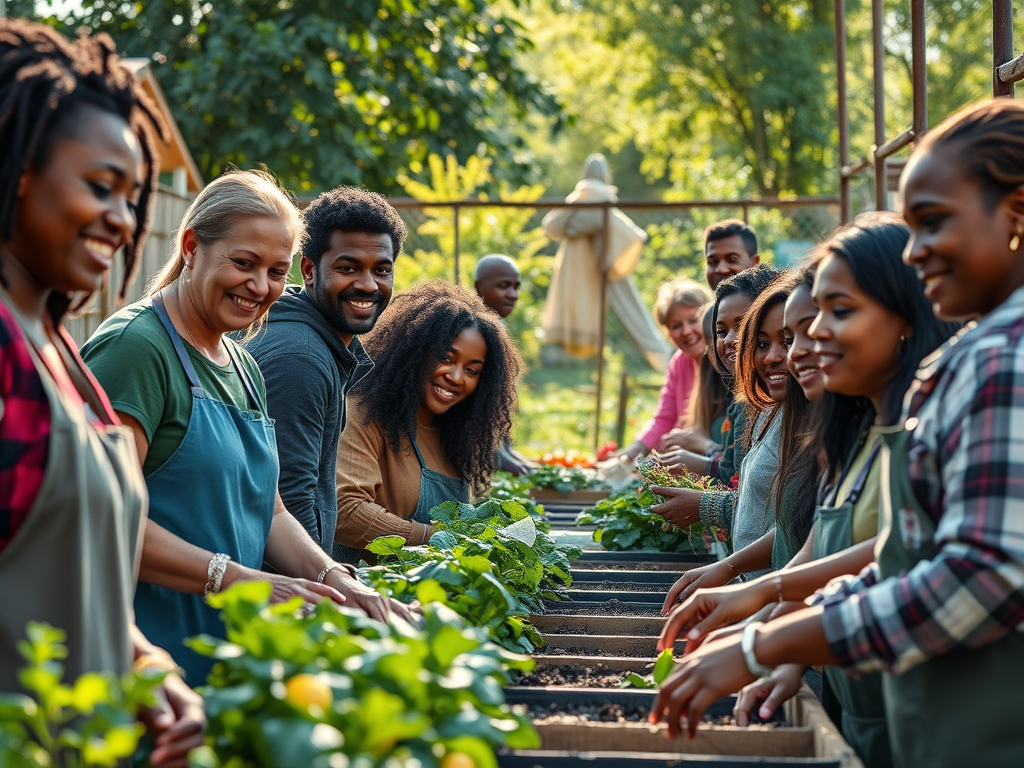
Helping others is a great way to feel connected and fulfilled. Look for local volunteer opportunities where you can meet new people and make a difference in your community.
Holistic Practices for Overall Wellbeing
This chapter will explore ways to take care of your whole self-body mind, and spirit.
Yoga and Tai Chi
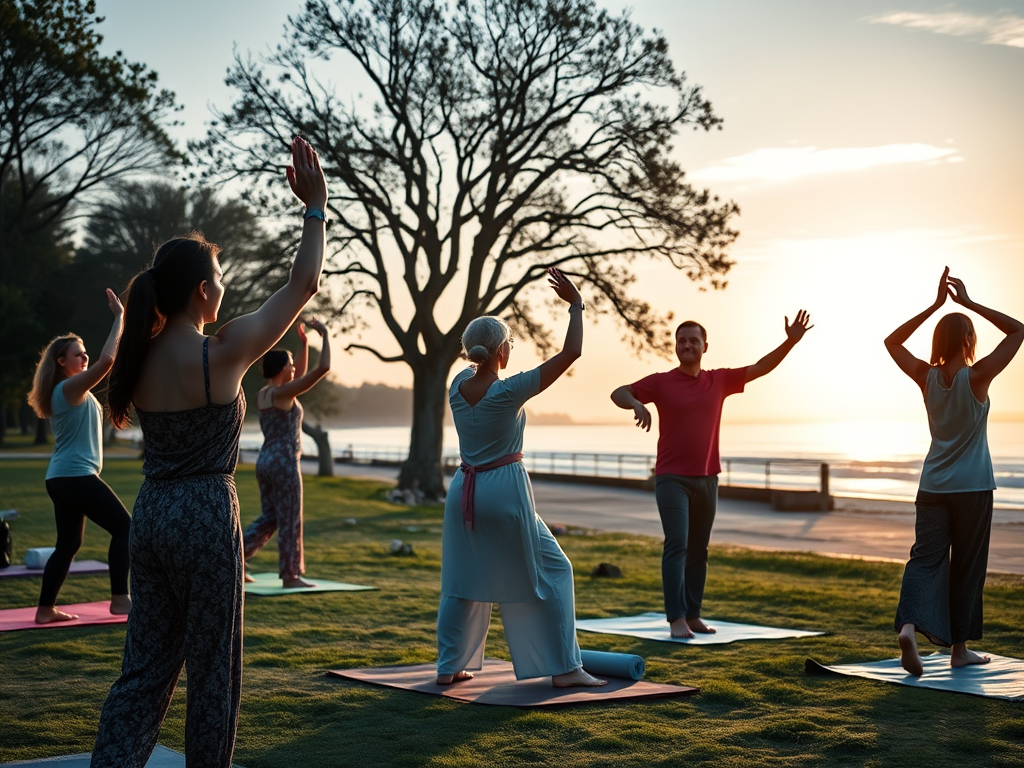
Both of these practices can help reduce stress and improve flexibility. You can find online classes or apps to guide you through beginner sessions. Just a few minutes each day can make a big difference!
Alternative Therapies
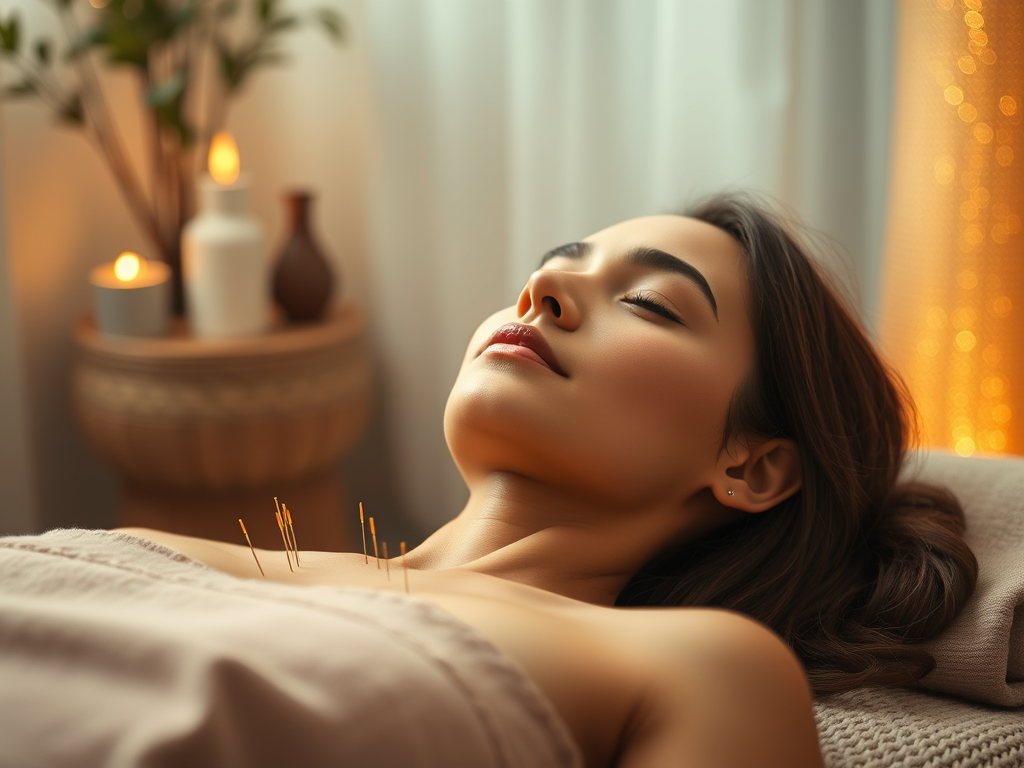
Acupuncture and other holistic practices can help with stress relief and pain management. If you’re curious, do some research and find licensed practitioners in your area.
Self-care Rituals
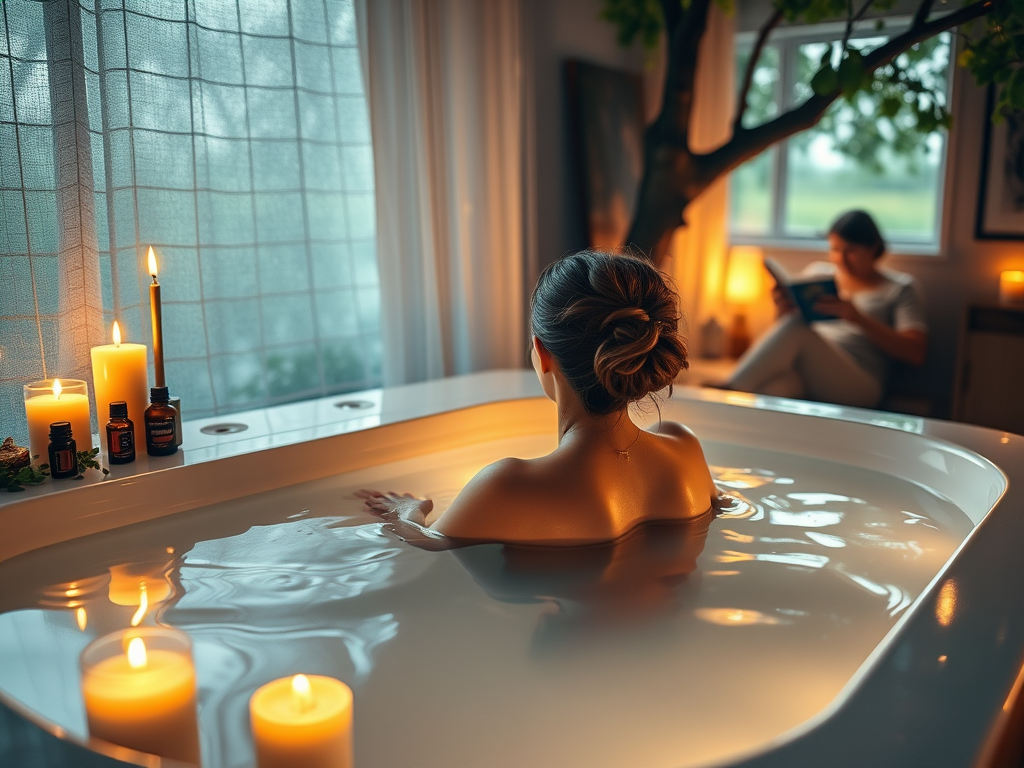
Providing examples of self-care practices, such as taking a relaxing bath, engaging in creative hobbies, or spending time in nature, can inspire readers to prioritize their well-being.
Your Journey to Wellness
Remember, improving your health is a journey, not a race. It’s about making small, positive changes that add up over time. Take a moment to think about your health goals and what steps you can take today. Share your experiences in the comments below—let’s support each other on this path to wellness!

 shinedeeps.com